Singer 201-2 Sewing Machine: History, Identification, Value & Performance
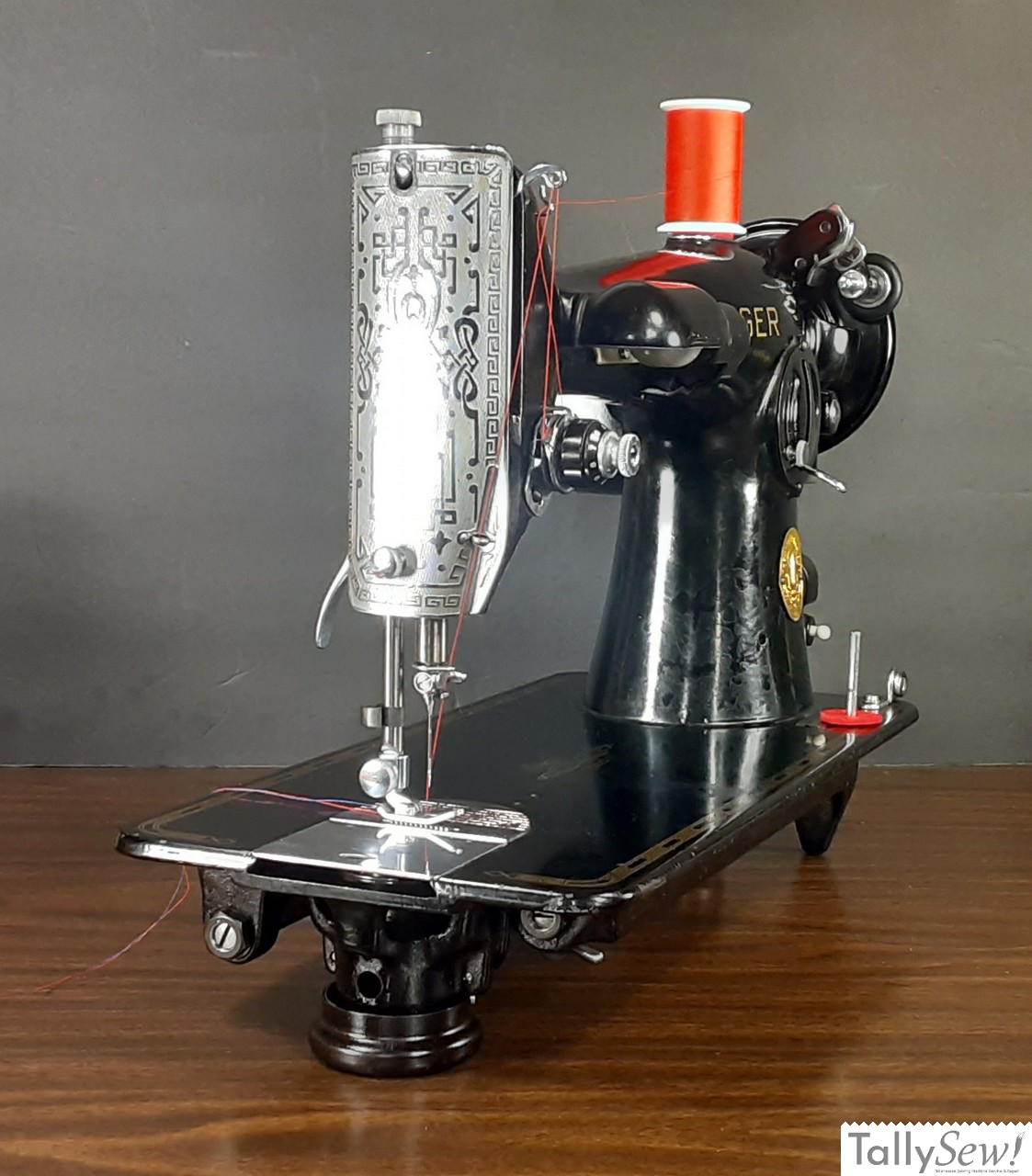
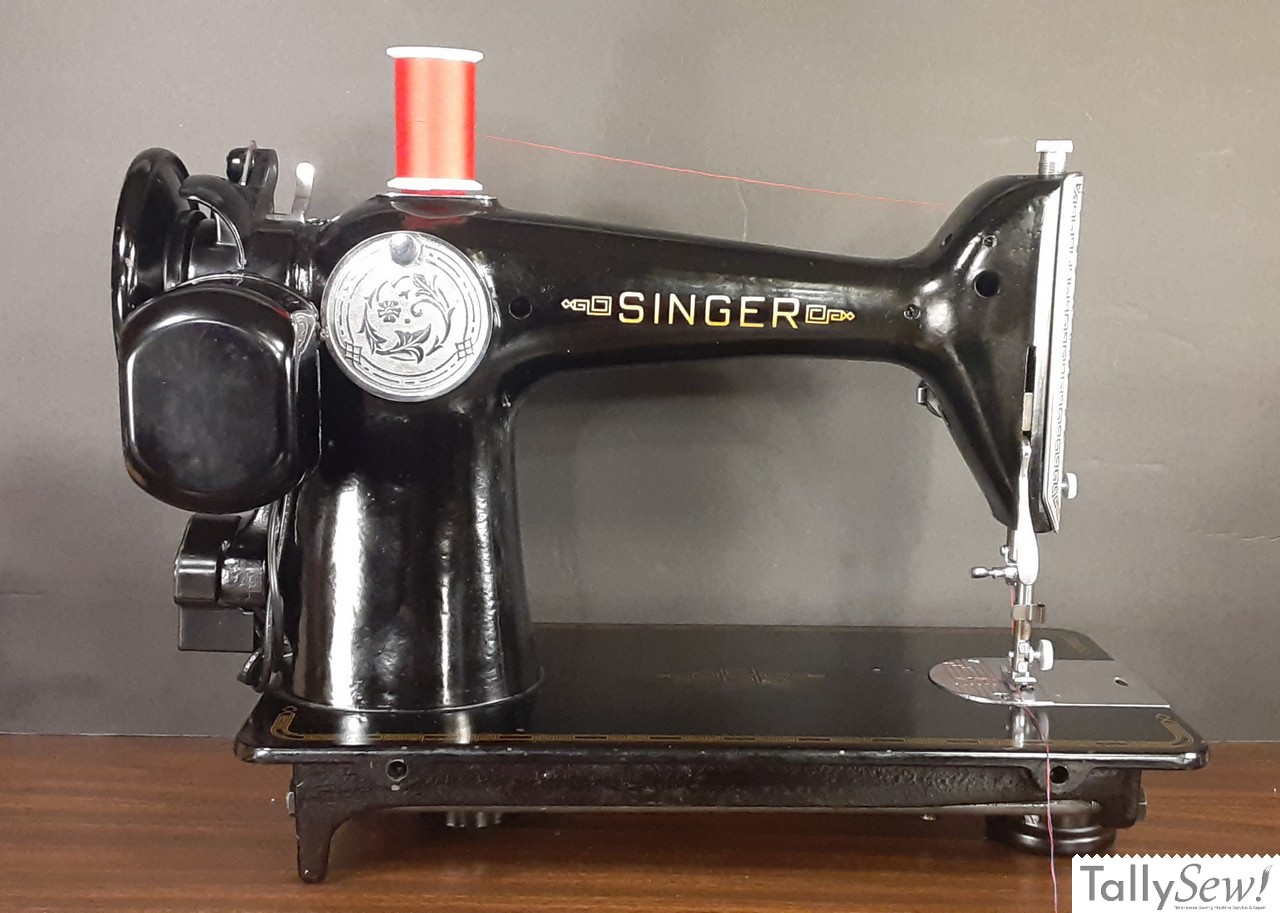
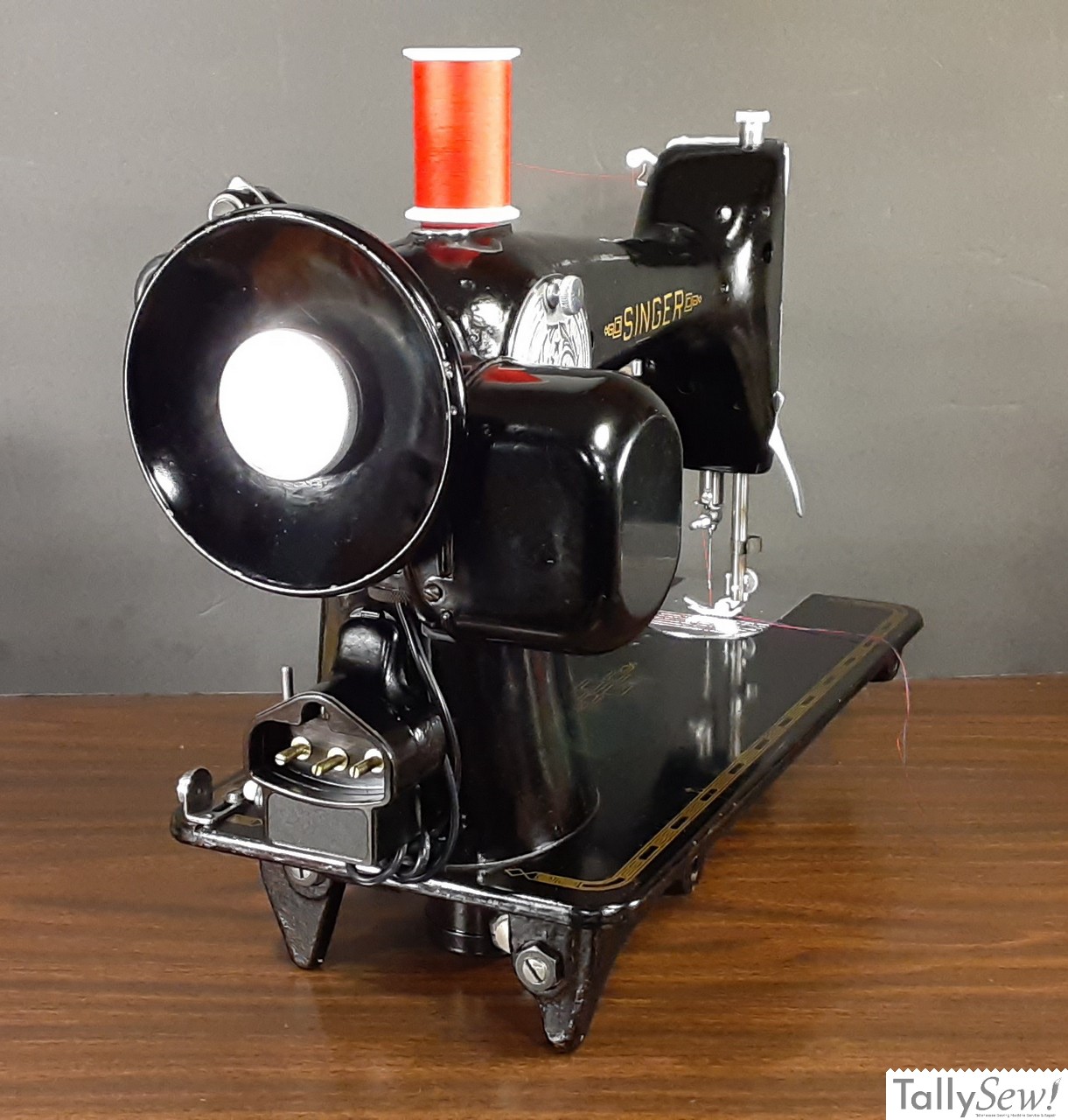
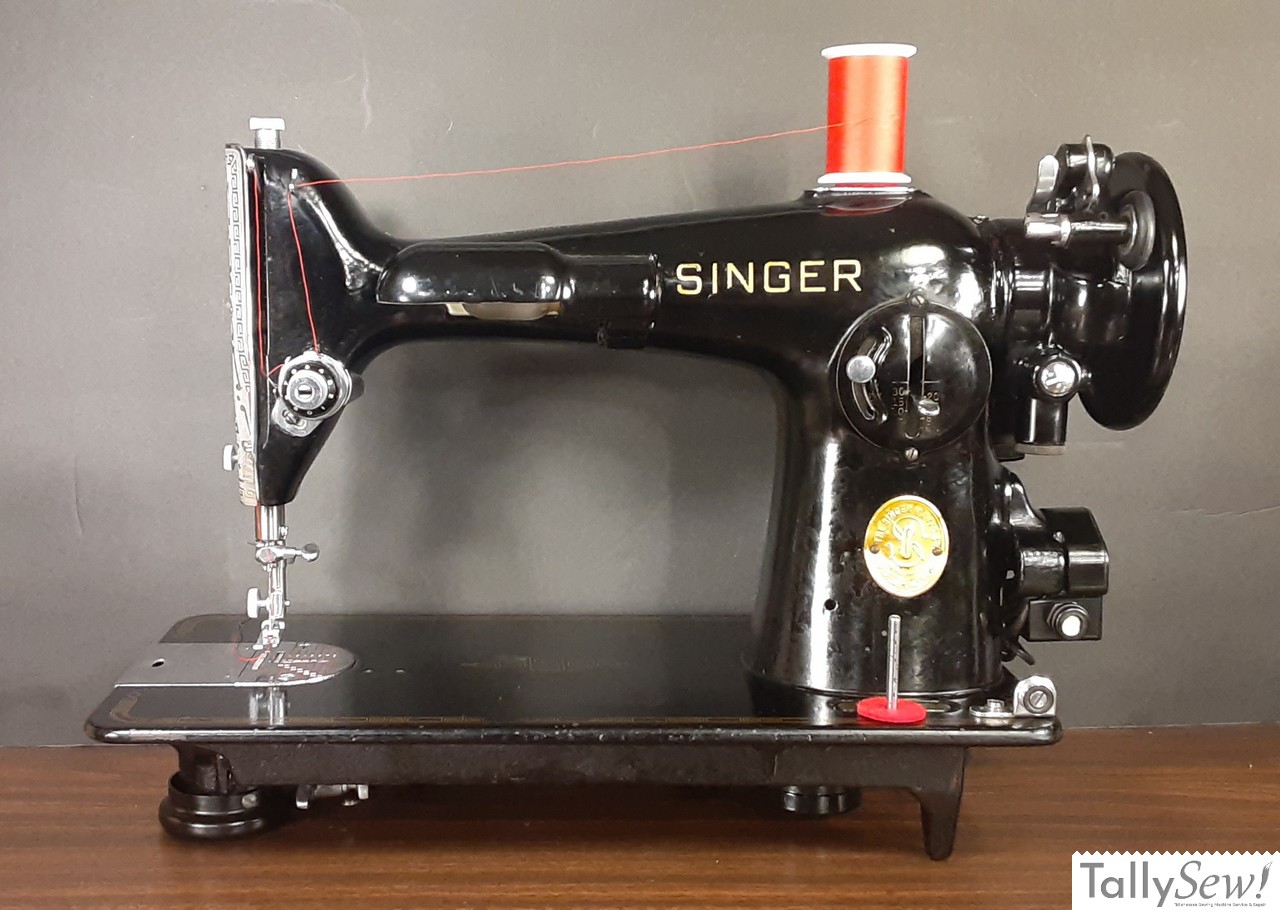
The Singer 201-2 is considered by many to be the best straight-stitch sewing machines ever made. Built from the mid-1930s through the late 1950s, it pairs a gear driven “potted motor” with an all-metal construction and delivers excellent stitch quality.
Singer 201-2 History
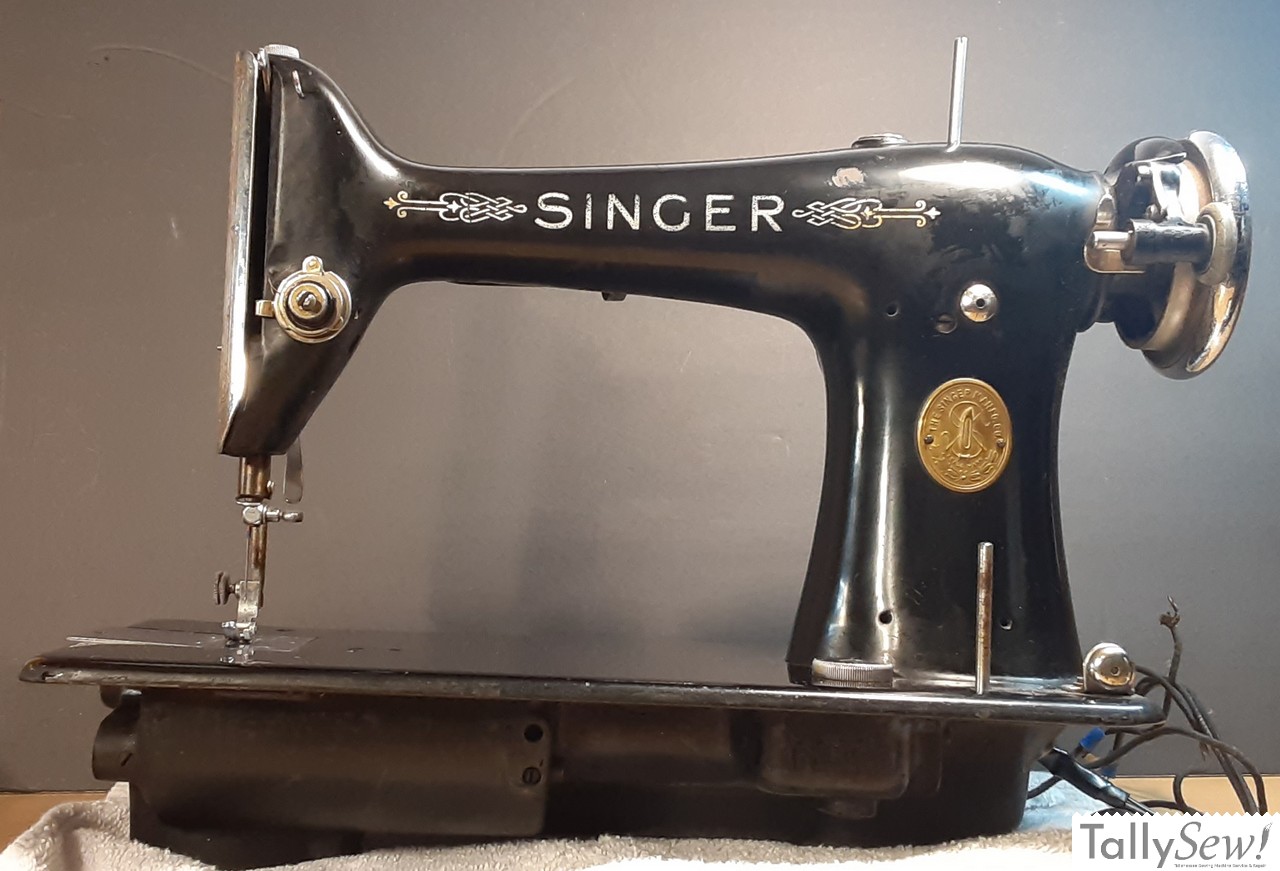
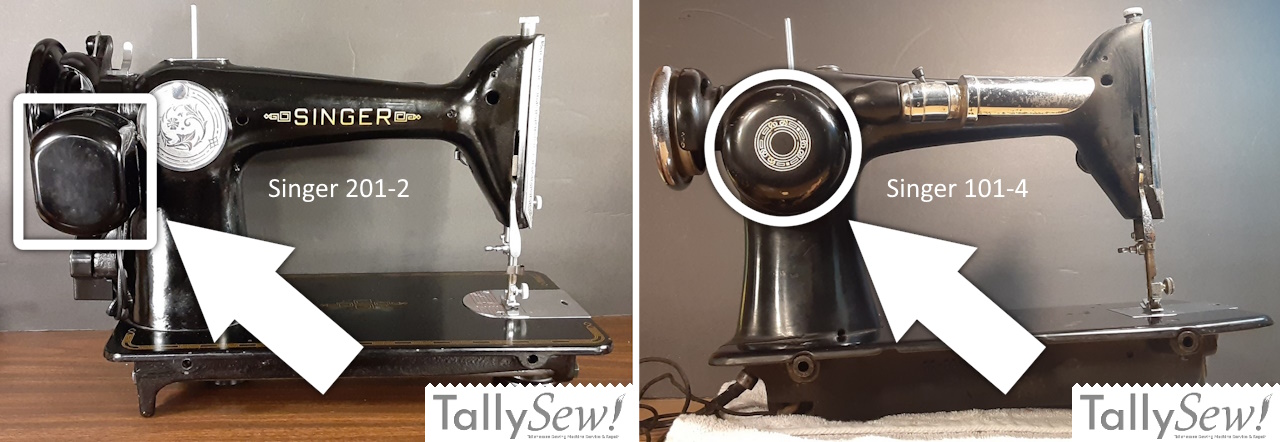
Singer introduced the 201 series in 1935 as a premium domestic machine. It evolved from the Singer 101, inheriting its basic design concepts but adding refinements like a stitch-length lever with a built-in reverse mechanism.
While standard domestic machines of the era used belt drives, the 201-2 variant carries the direct-drive “potted” motor concept over from the model 101, but in a more refined format. This design utilized internal gears to transfer power directly to the main shaft, maximizing torque and reducing maintenance. By the late 1950s, rising production costs and industry shifts toward lightweight, cheaper materials led Singer to discontinue the model 201 series. It was replaced by the Singer model 301.
Singer 201-2 Features
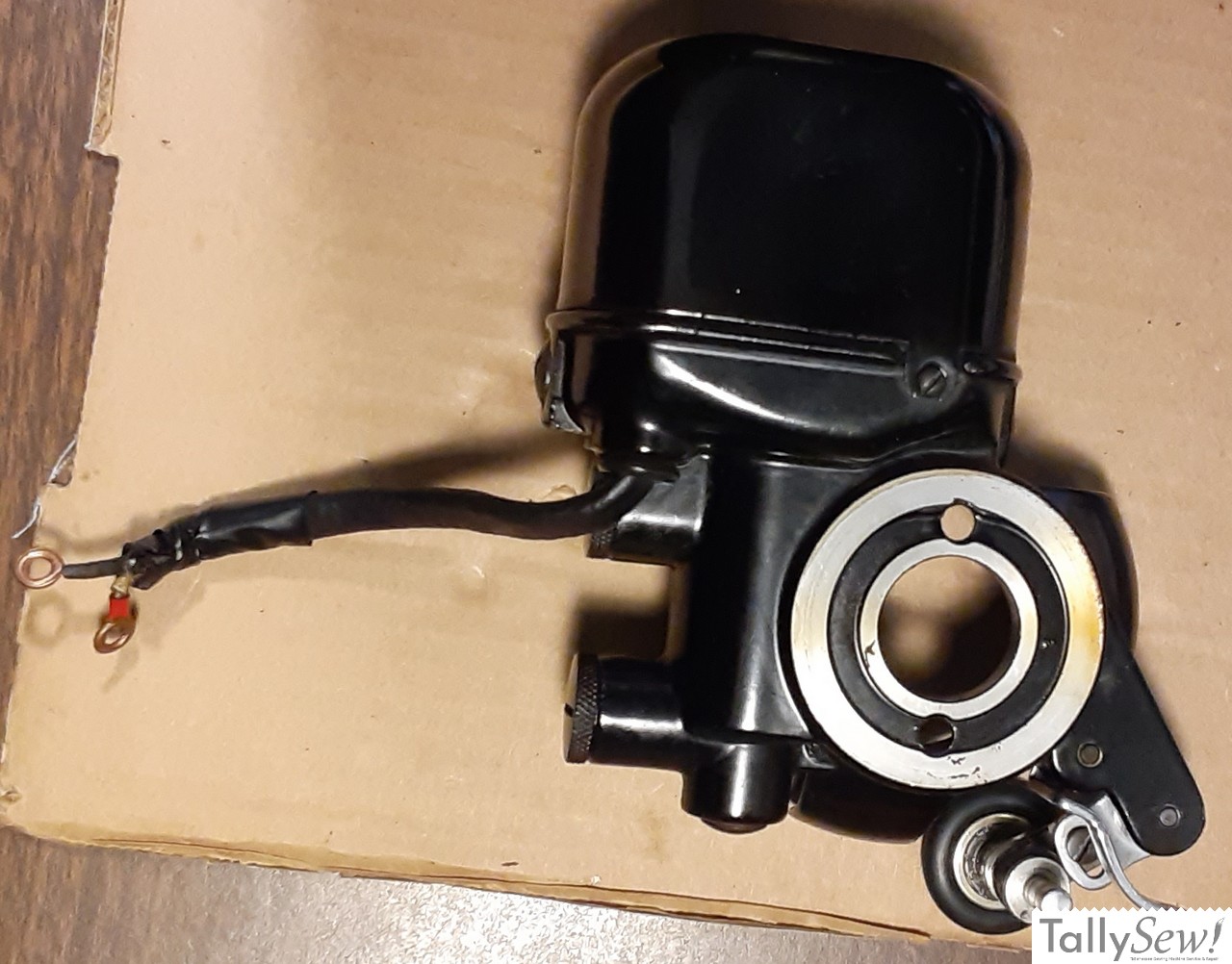
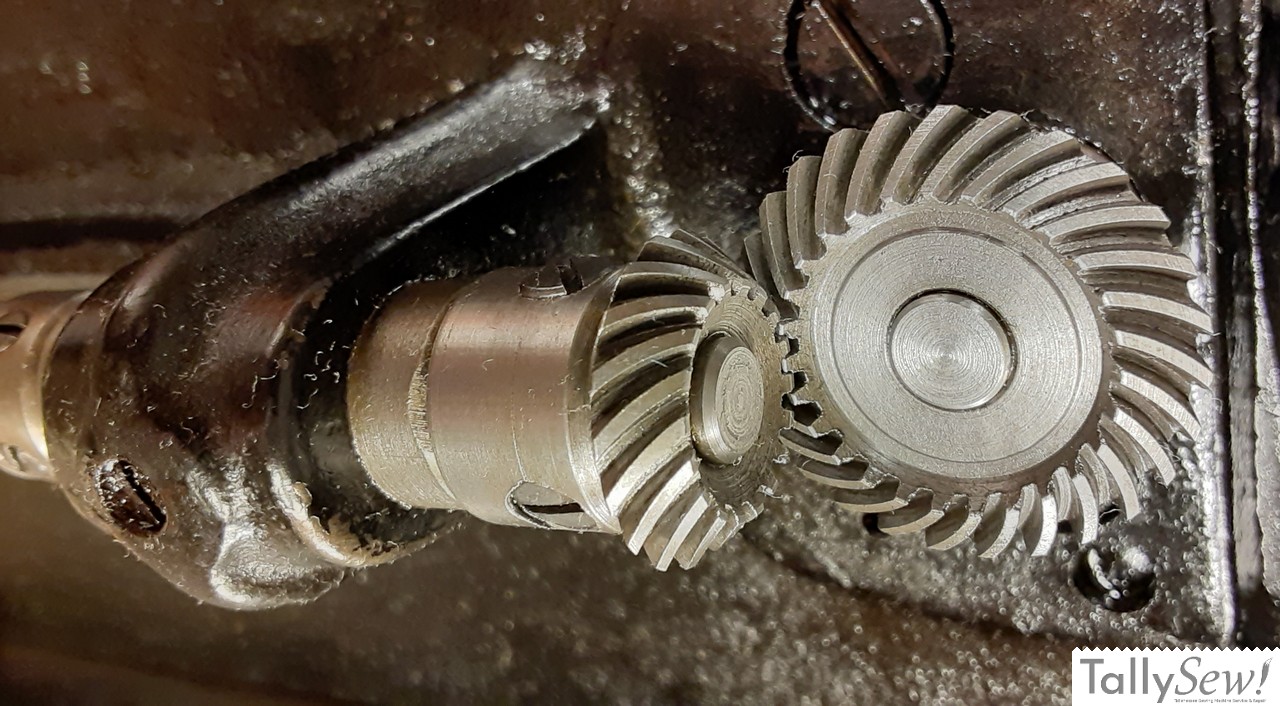
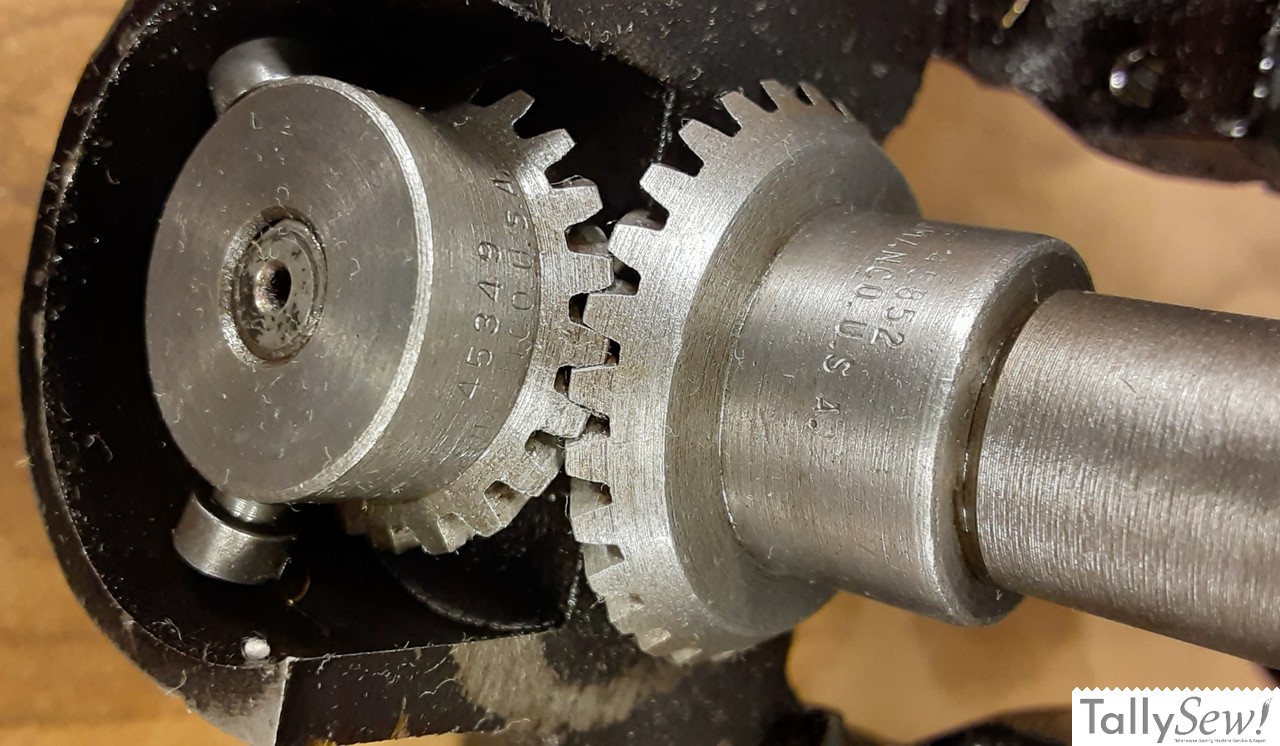
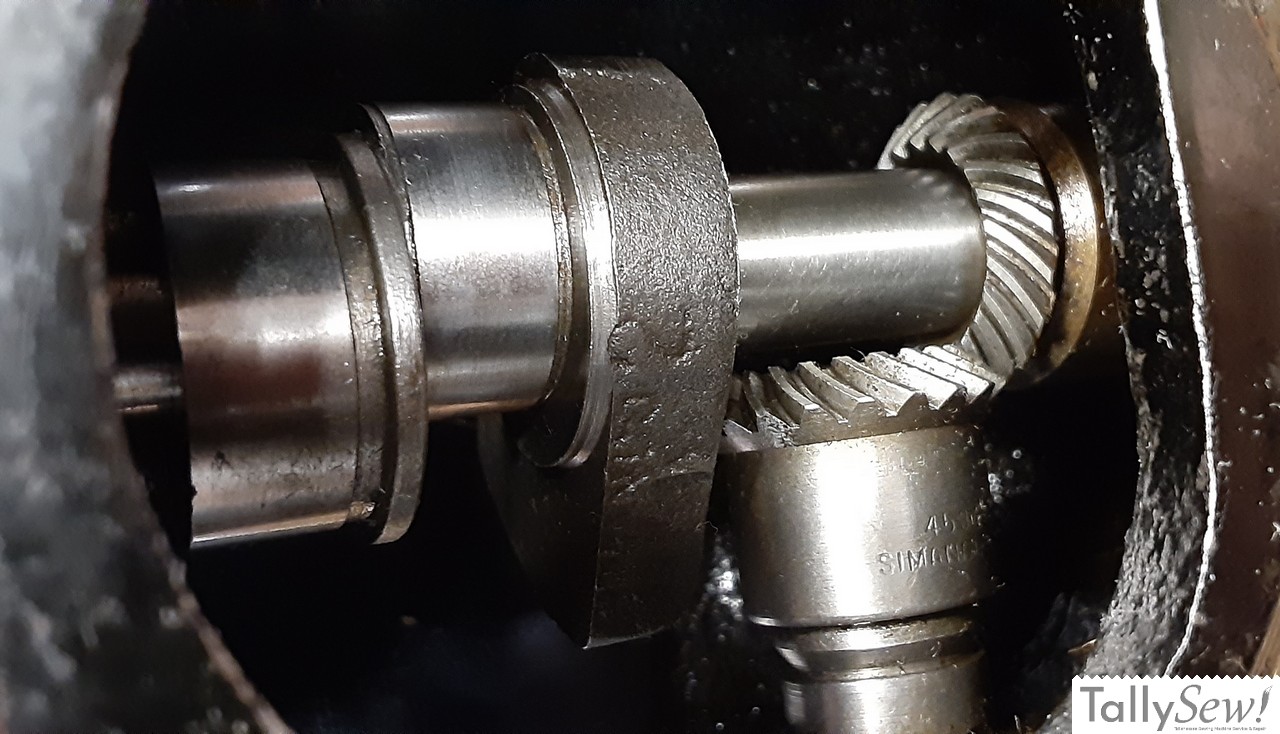
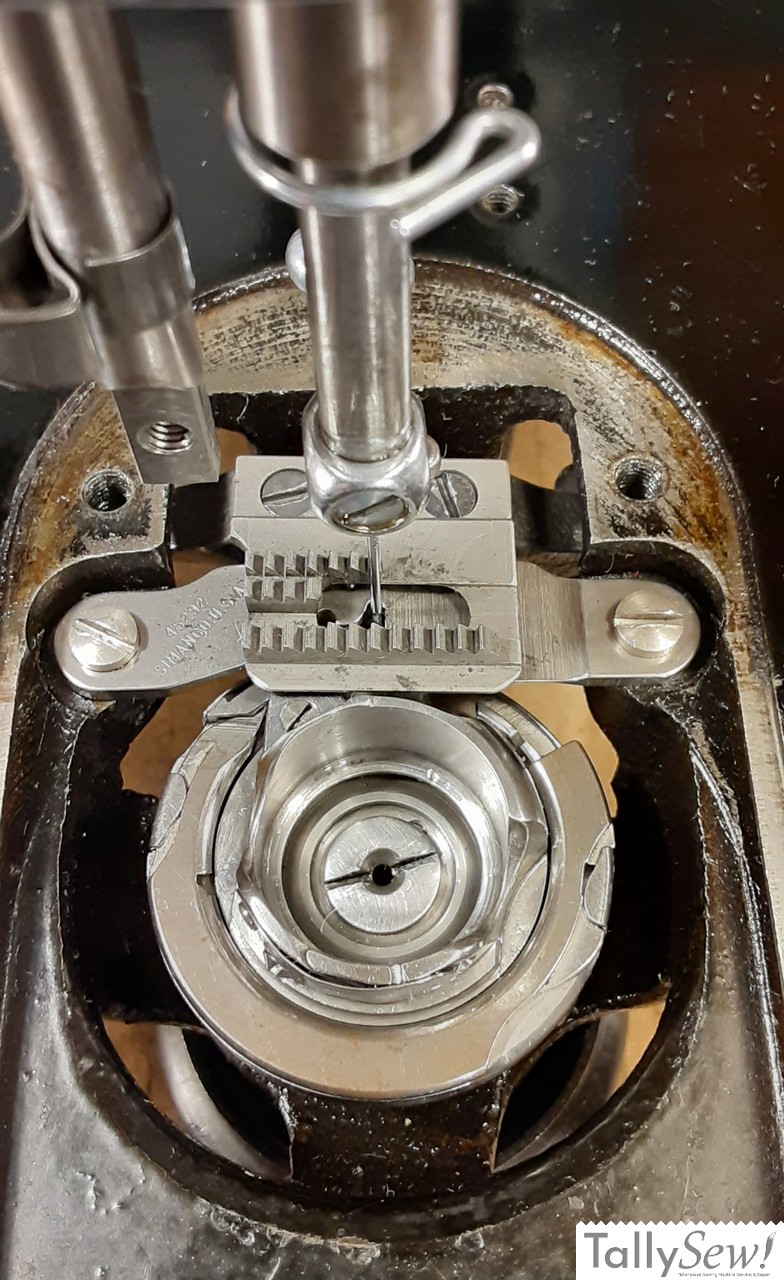
The cast-iron body, hardened steel internals, and tight machining tolerances give the model 201-2 a level of smoothness and stability that’s still noticeable today. You can feel it before you even sew a stitch, just turning the handwheel.
One of its defining features is the direct-drive “potted” motor. Instead of a belt that can slip or stretch, the motor is mounted directly to the machine and geared to the main shaft. The result is consistent torque, quieter operation, and very controlled sewing. The machine responds immediately when you press the pedal.
Paired with the rotary hook, which produces a clean, balanced lockstitch, the 201-2 delivers stitch quality that rivals many modern machines. Its weight also works in its favor. The cast-iron body keeps it planted, reduces vibration, and contributes to that steady, quiet feel.
Singer also designed the 201-2 with long-term serviceability in mind. The controls are simple and reliable: an easy stitch-length adjustment, built-in reverse, and a straightforward tension system. The layout is logical, oiling points are accessible, and wear parts can still be cleaned or replaced today.
Why the Singer 201-2 Is Still Popular Today
The Singer 201-2 remains popular because its direct-drive potted motor delivers the torque and quiet precision needed to outperform modern home sewing machines. Built for longevity, it uses standard low-shank attachments, common bobbins, and simple mechanical components you can service yourself without specialized tools. Because a reliable vintage 201-2 often costs less than a lower-quality modern alternative, it remains a preferred choice for serious sewists.
How to Identify a Singer 201-2
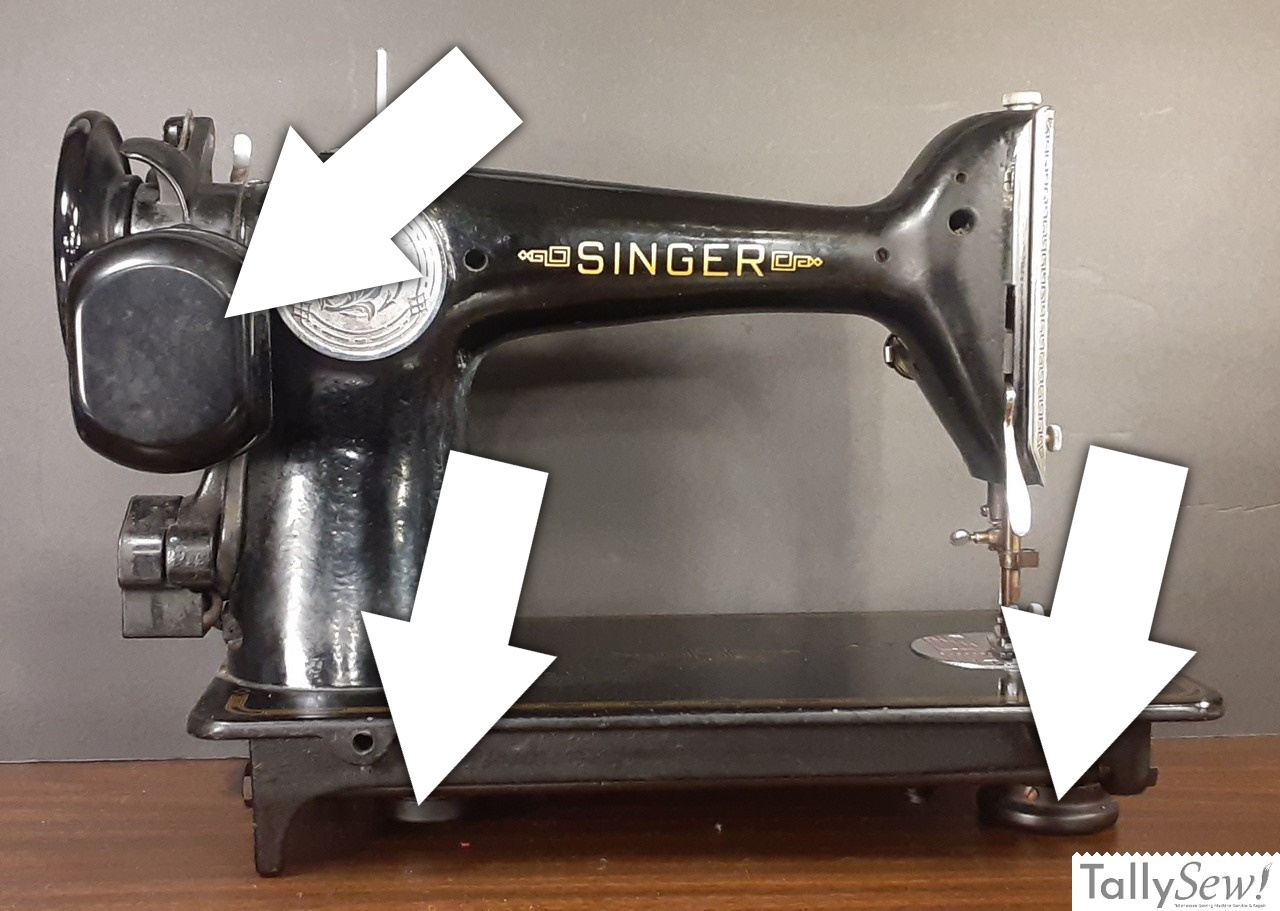
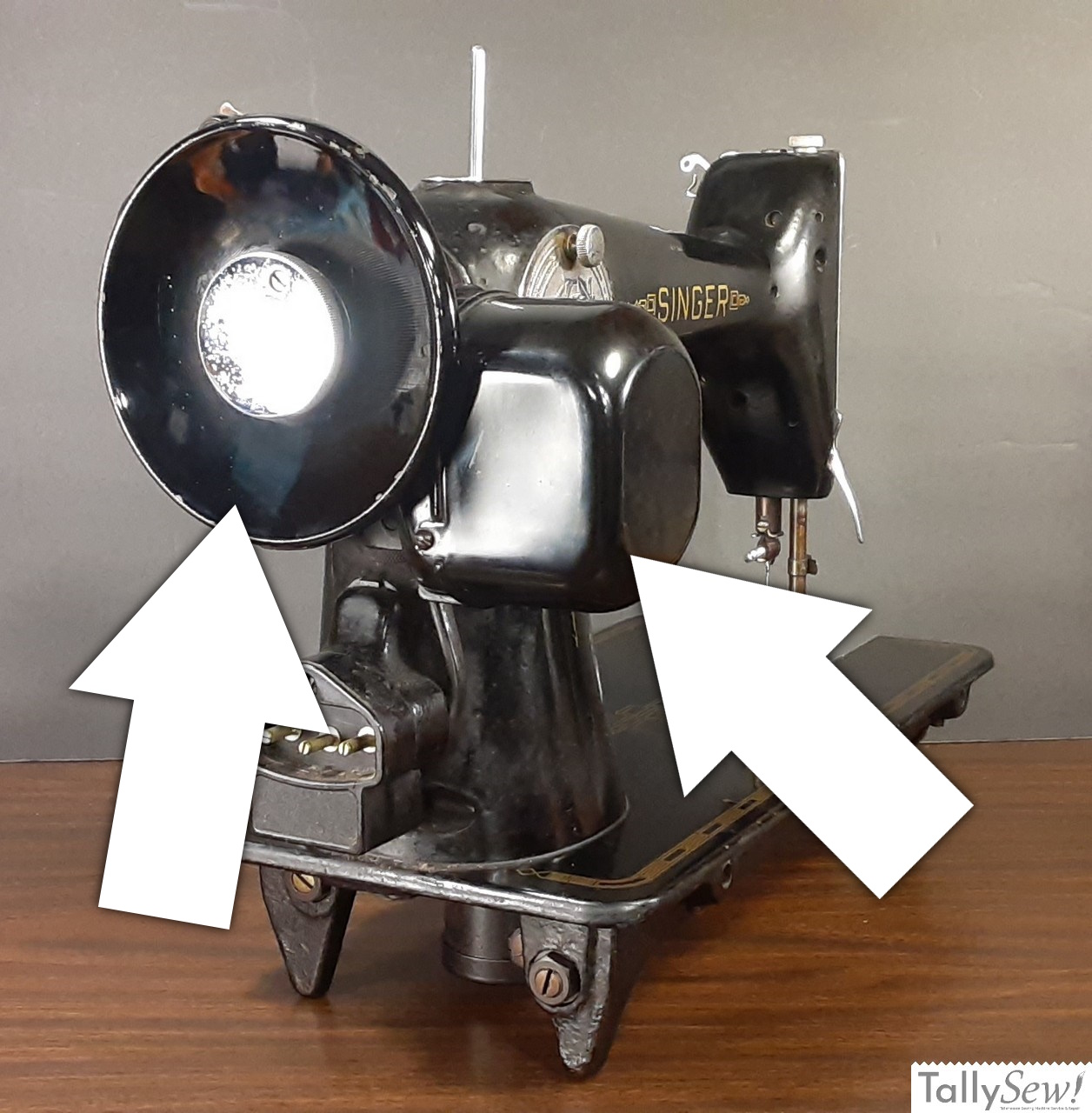
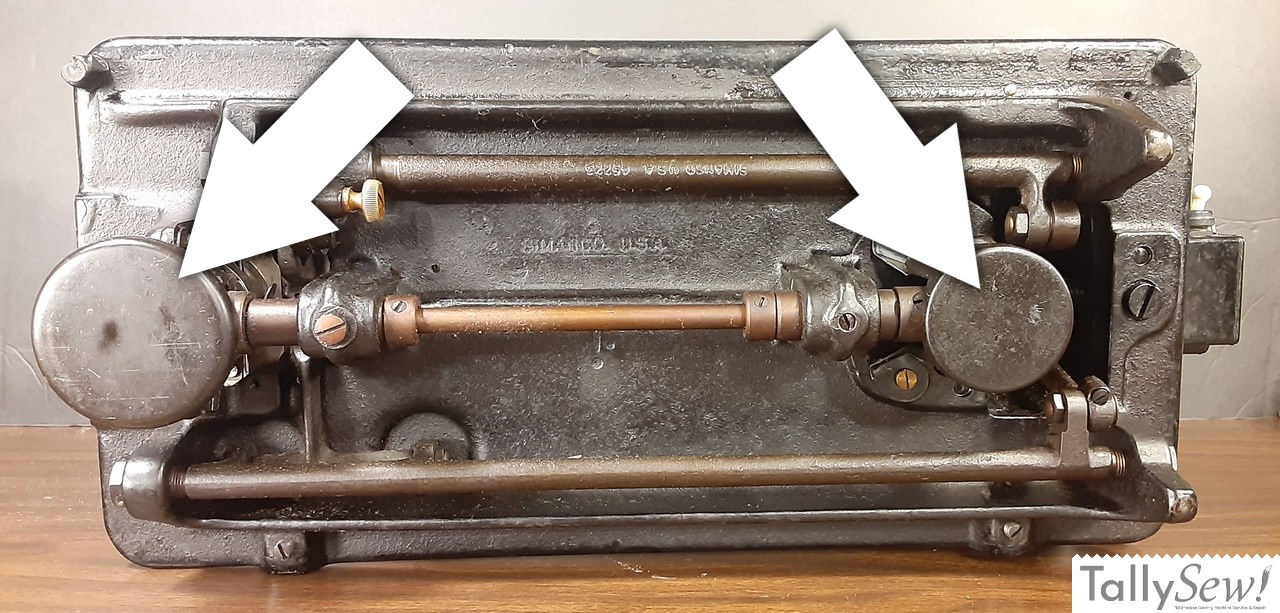
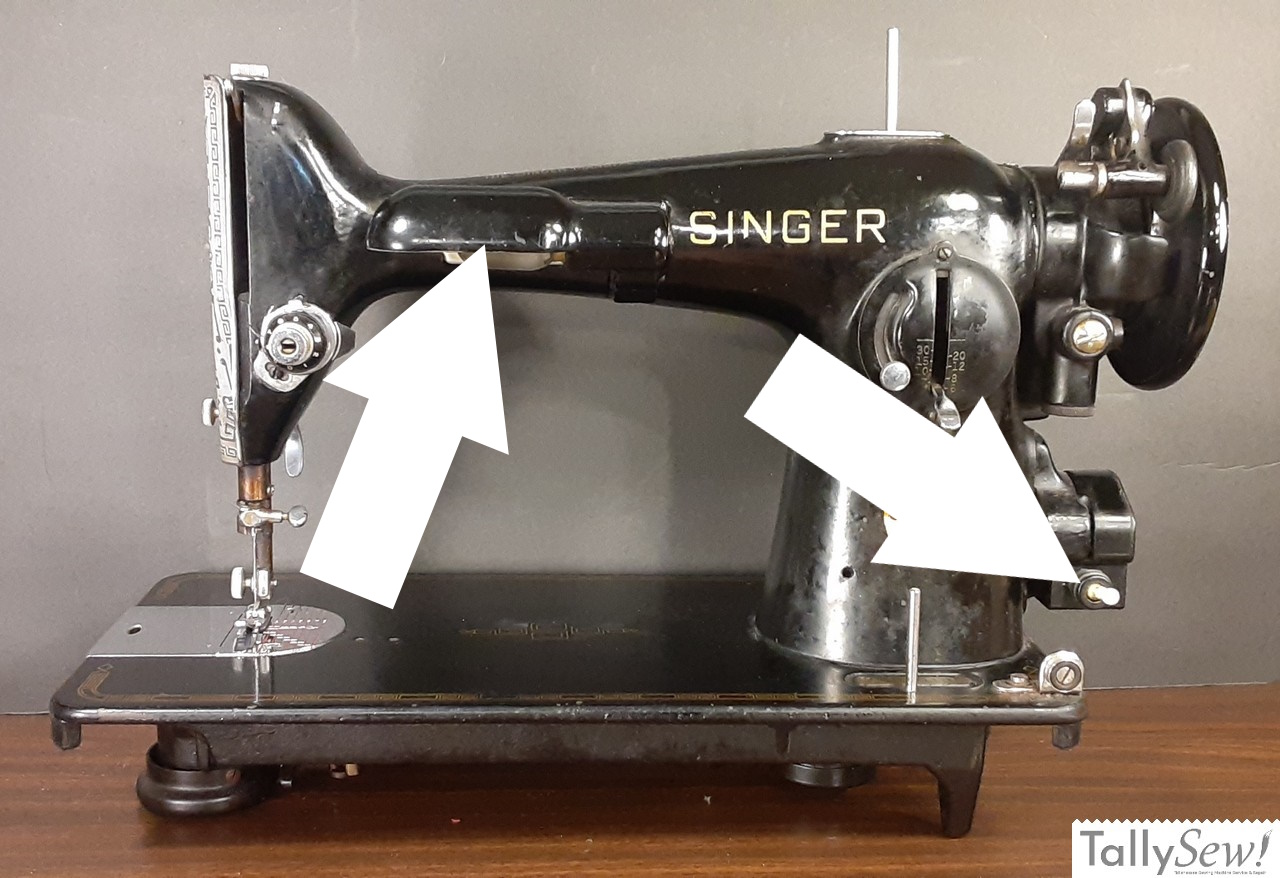
It’s pretty easy to identify a Singer 201-2 sewing machine once you know what to look for. Here are the key features that set it apart:
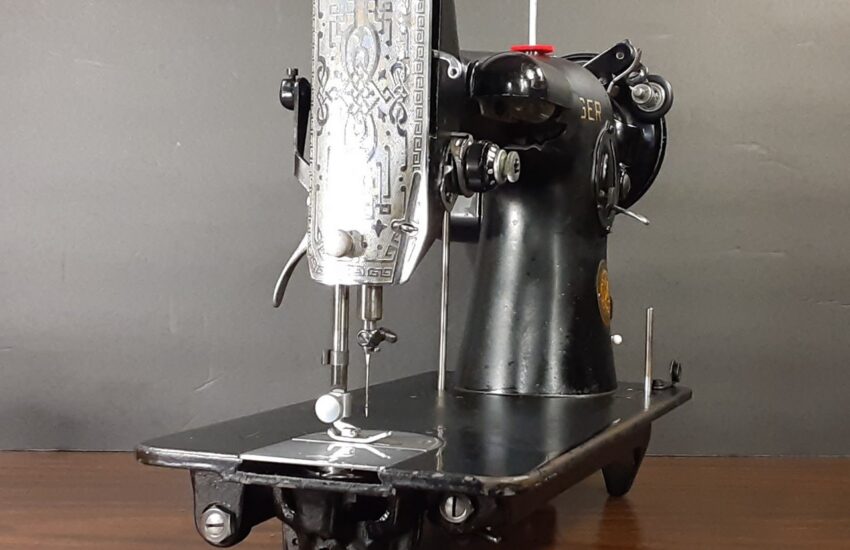
- Motor: The most obvious feature is its direct-drive “potted” motor, which is mounted on the back in a rounded housing. Unlike other versions, the 201-2 does not have a belt.
- Note: The Singer 15-91 uses an almost identical potted motor.
- Lamp: The 201-2 has an integrated lamp on the front of the machine’s arm.
- Light Switch: You’ll find a white light switch on the right side of the machine, which is part of the plug assembly.
- Underside: Like all 201 models, it has gear covers underneath and uses a horizontal rotary hook with a Class 66 bobbin, which is accessible through a slide plate.
Dating Your Singer 201-2 (Serial Number Guide)
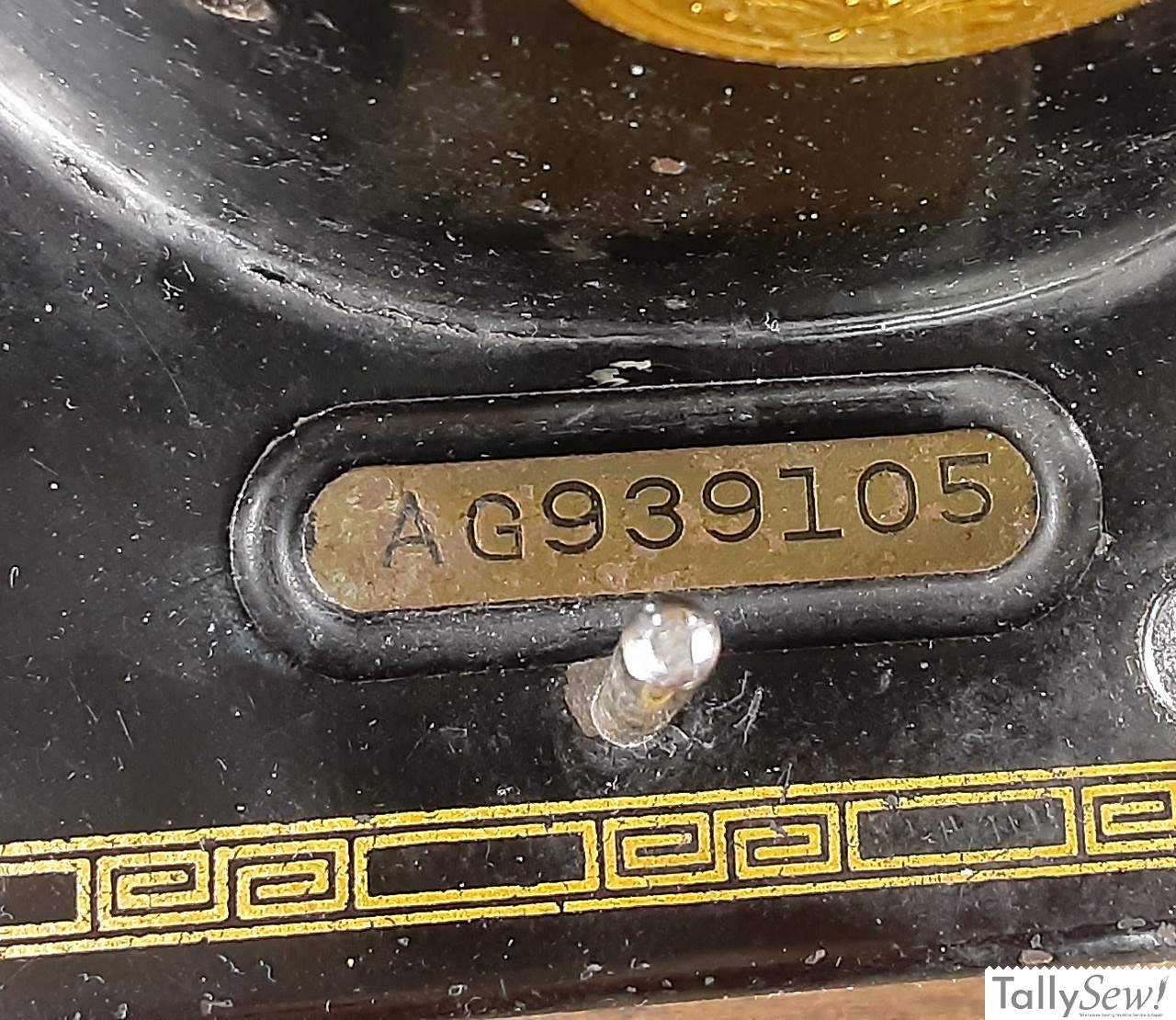
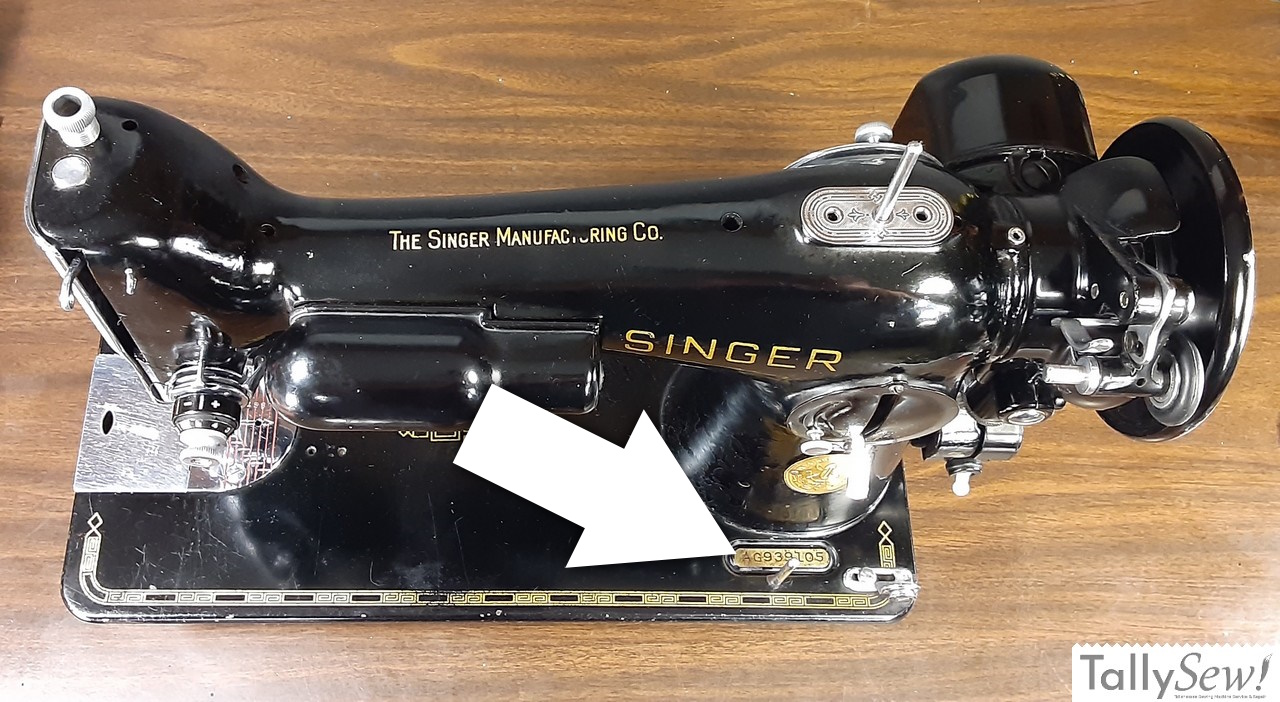
Dating a 201-2 is fairly straightforward thanks to Singer’s serial number records.
The serial number will tell you the model, but not the variant, it will tell you when the machine was made. It’s stamped into the bed, usually on the front right corner, and consists of a letter prefix followed by numbers. Many 201-2 machines carry prefixes like E, F, or G, depending on the year.
Singer issued serial numbers in batches, so your number will fall within a known range tied to a production year. In some cases, you can narrow it down even further.
Singer 201-2 Performance
It’s amazing how modern a Singer 201-2 feels to operate, even when compared to new computerized models. It masters the fundamentals so well that it remains a joy to use.
Here’s what makes sewing on one so special:
- Incredibly Smooth: The first thing you’ll notice is how quietly and smoothly it runs. There’s no vibration or chattering, just a steady, controlled hum.
- Perfect Stitch Quality: This is where the 201-2 truly shines. Its rotary hook system produces a flawless, balanced straight stitch with very little adjustment. It handles a wide range of materials, from delicate fabrics to denim, without any fuss.
- Surprising Power: The direct-drive motor gives it more torque than most home machines, allowing it to sew through reasonably thick layers and seams without slowing down.
- The Ultimate Straight Stitch: It doesn’t offer zigzag or decorative stitches, but for fundamental sewing tasks like garment construction, topstitching, and quilting, its performance is tough to beat.
Maintenance & Common Repairs
The Singer 201-2 is famous for its durability, and a big reason so many are still in use is that they were built for easy home maintenance. If you have one, here’s what you need to know to keep it running smoothly:
- Common Issues: Most problems aren’t due to broken parts but rather from old oil, hardened grease, or brittle wiring.
- Basic Maintenance: Always start with a thorough cleaning and lubrication. A machine that feels stiff or frozen can often be revived with a simple application of fresh oil.
- Motor Care: The potted motor requires specific care. The original grease hardens over time, leading to poor performance or overheating. You’ll need to clean it out and replace it with a modern sewing machine motor grease.
- Electrical Safety: The original wiring often becomes brittle with age. For safety, it’s a good idea to have the machine rewired.
- Mechanical Strength: These machines are built like tanks. If a part does fail, replacements are widely available, and most repairs are simple enough to do yourself.
Buying a Singer 201-2: What to Look For
If you’re buying a 201-2, condition matters, but most can be restored.
- Most Singer 201-2 machines on the market today are used and often need basic servicing.
- Start with the handwheel… It should turn smoothly without grinding. Stiff is usually fixable, grinding is a warning sign.
- Check the motor and wiring next… The motor may need servicing, and old wiring often needs replacement.
- Cosmetics are less important, but heavy rust or pitting can indicate poor storage. Make sure key parts are present: bobbin case, tension assembly, presser foot, slide plate.
- Cabinets can add value but may hide storage issues like moisture damage.
- The 201-2 isn’t rare, so don’t overpay. A solid, complete machine with a smooth rotation is usually a safe bet.
What’s a Singer 201-2 Worth?
Prices can vary quite a bit depending on your location, so it’s worth checking your local market. In my area (Tallahassee, FL), at the time of writing:
- A running machine that needs rewiring: about $75
- A clean, fully serviced machine with updated wiring: $250 give or take.
Vintage sewing machine prices are highly subjective, and ultimately come down to what a buyer is willing to pay.
Conclusion
For anyone researching the Singer 201-2 sewing machine, it’s one of those machines that actually lives up to its reputation. It wasn’t built to be disposable, it was built to last. And that shows in how many are still running today. With basic maintenance, most will sew just as smoothly now as they did decades ago. The combination of power, precision, and durability is hard to match, even today. For anyone who values well-built tools, the 201-2 isn’t just a good vintage machine, it’s still a genuinely useful one.
Specifications
| Brand | Singer |
| Model | 201-2 |
| Manufactured By | Singer |
| Made In | U.S.A. and several other locations |
| Years Produced | 1935 – 1957 |
| Hook Type | Rotary |
| Bobbin | Class 66 |
| Bobbin Case | Internal |
| Needle System | 15×1 |
| Foot Type | Low Shank |
| Construction | All Metal |
| Construction Drivetrain | All Metal with one Textolite gear |