What Determines the Price of a Used Sewing Machine?
Before you buy or sell a used sewing machine, you need to understand the hidden market forces that actually dictate its value.
Condition and Functionality
A machine that runs smoothly commands a premium over one that’s locked up. If a machine’s been sitting in a damp barn rusting, the value drops significantly. However, a machine that’s frozen simply from old, varnished oil is often an easy fix. You can frequently free up an all-metal machine with fresh sewing machine oil and gentle heat from a hair dryer, or kerosene in extreme cases. Smart buyers use this mechanical gridlock to negotiate a lower price on a machine that actually requires very little effort to fix.
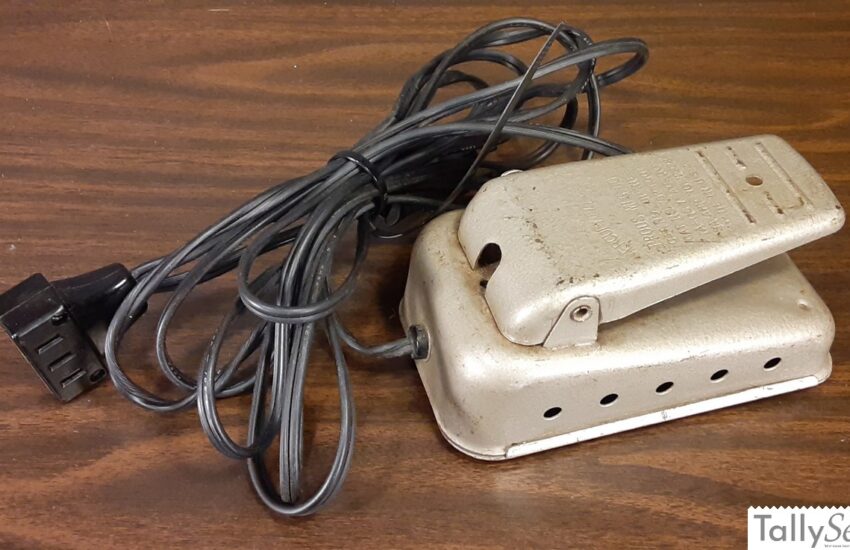
Electrical issues require a different approach. A pristine machine with a frayed wiring harness is a safety hazard. If you’re looking at a machine that needs to be rewired, call a local technician first to get an estimate for the repair. You can use that repair quote to negotiate a lower purchase price so you don’t end up investing more into the machine than it’s worth. Buyers must factor the time, labor, and cost of replacement parts into their offer. A fully serviced, plug-and-play machine always attracts more buyers than a “barn find” project.
Completeness and Accessories
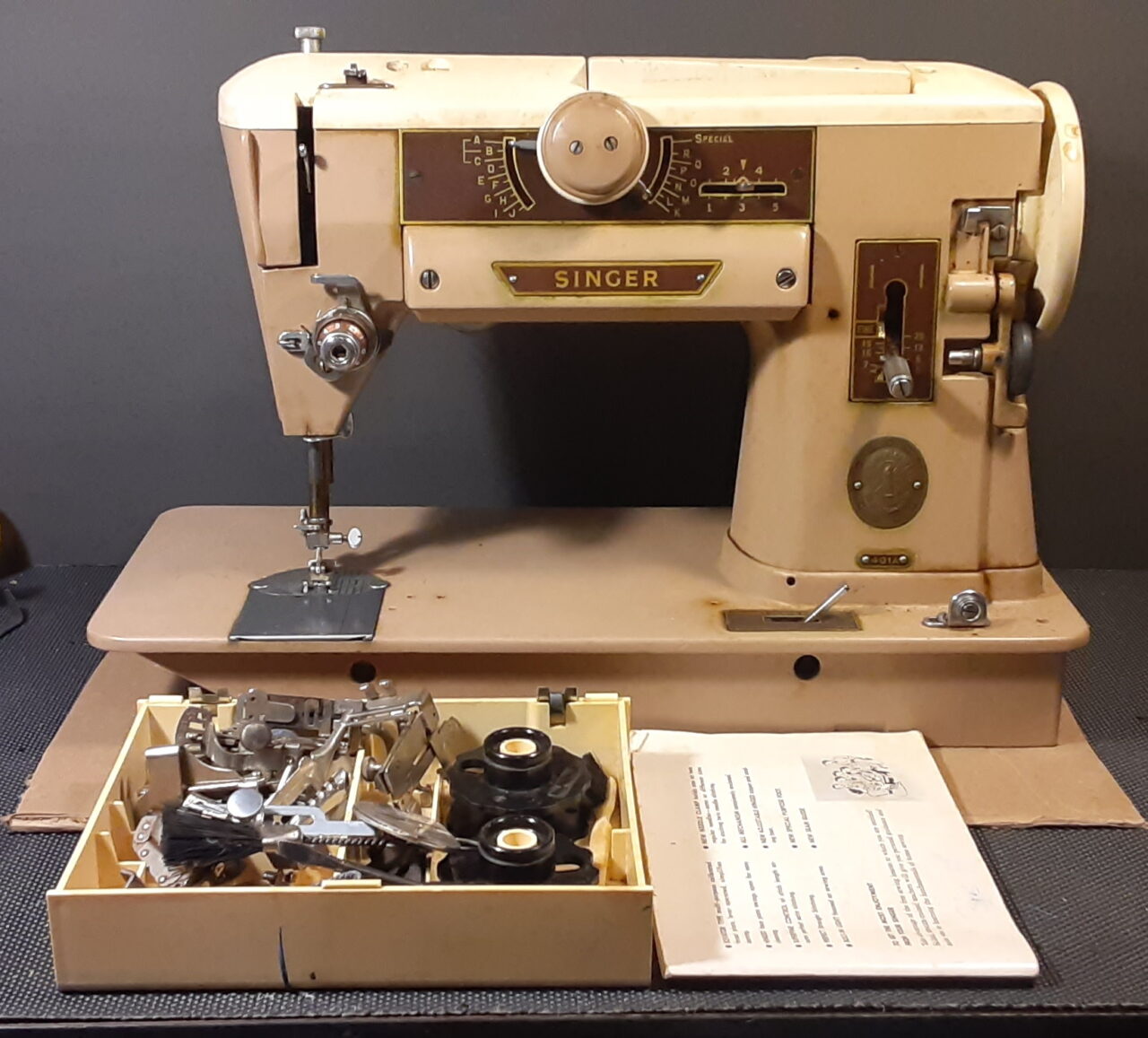
The presence of original parts and accessories heavily influences the final price. Missing components like the foot controller, specific bobbin cases, cams, slide plates, or original attachments can be expensive or impossible to track down. Furthermore, if the machine requires a cabinet or a specific carrying case and those are missing or destroyed, the value drops. A complete machine with its manual and original toolkit is worth far more than a bare head.
Popularity
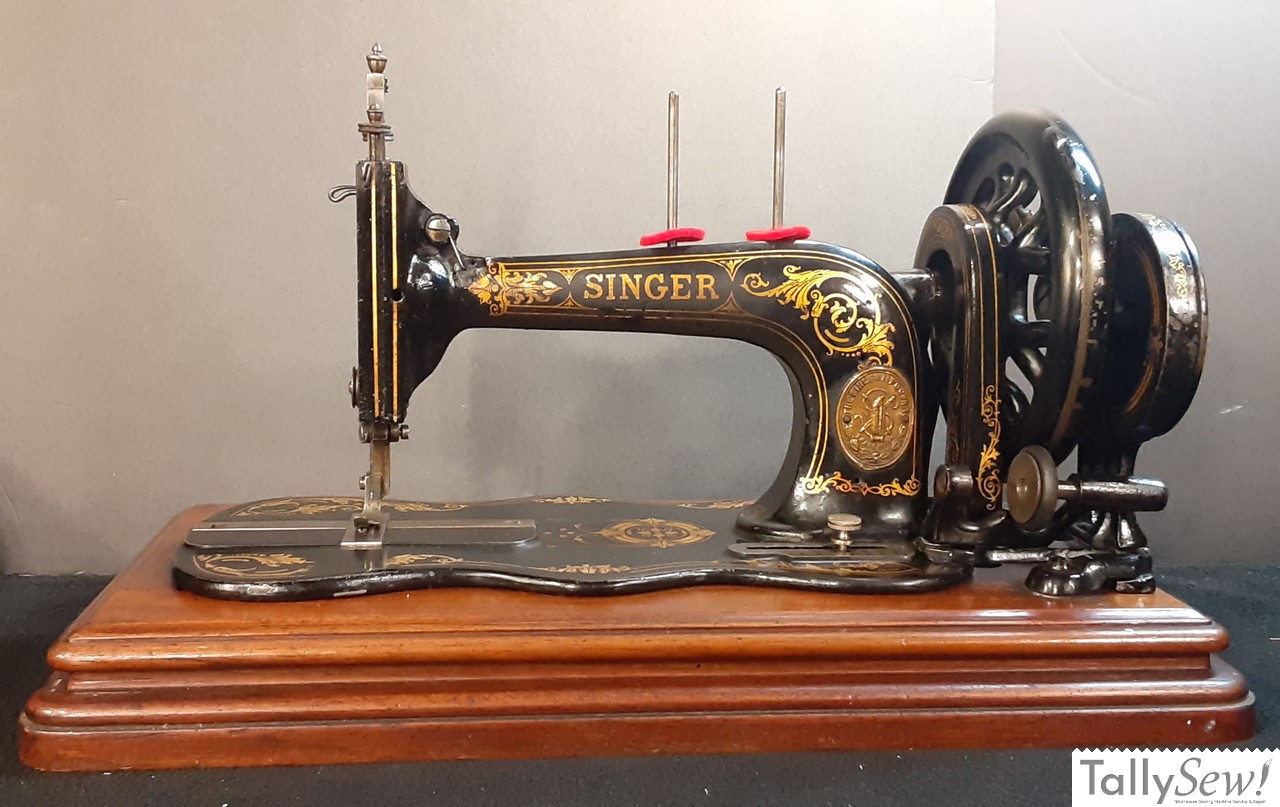
Popularity has the biggest impact on price. Average machines often command high prices simply because buyers recognize the brand or model name. A good example of popularity driving up the value of a machine is the Singer 221 Featherweight.
Rarity
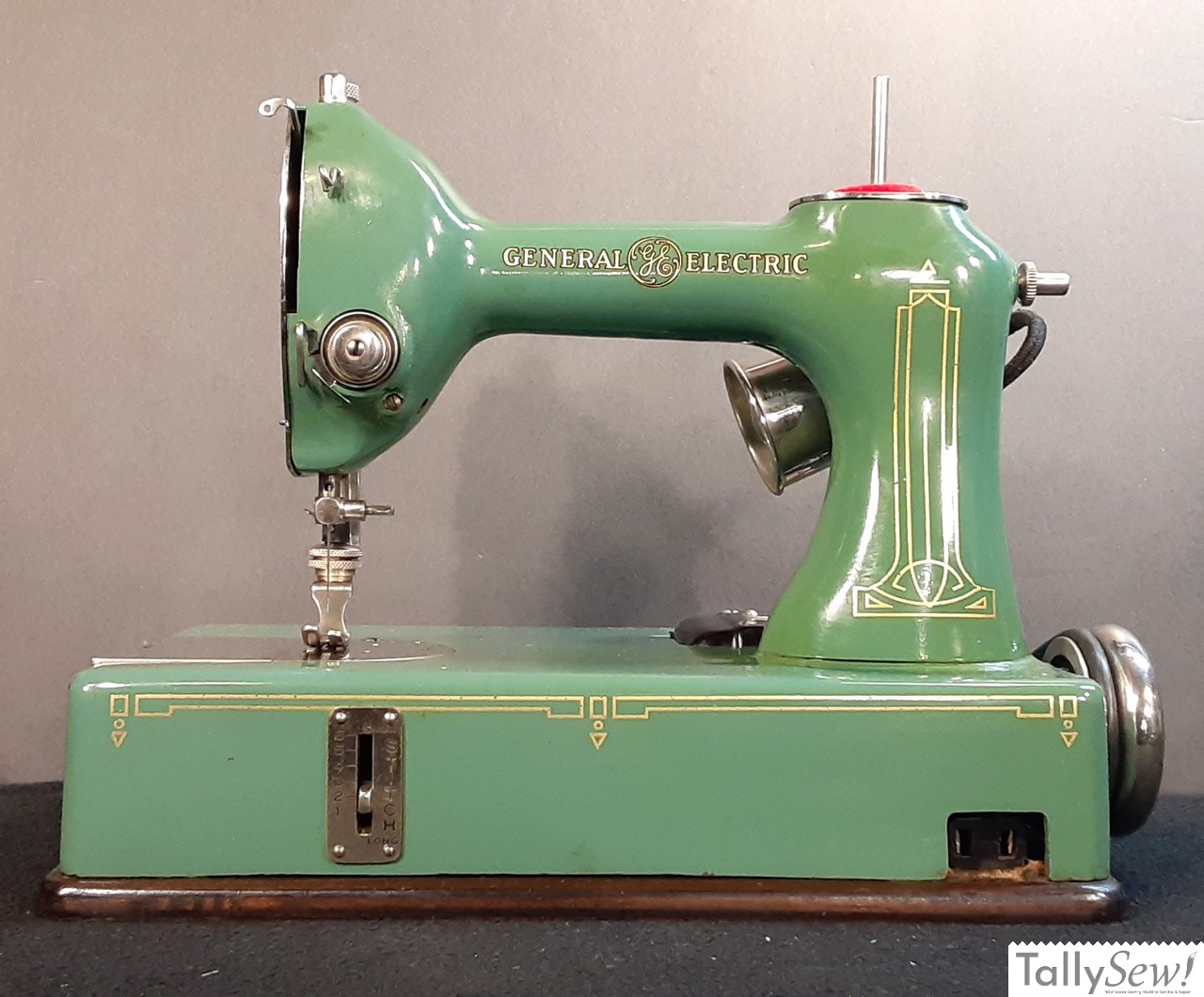
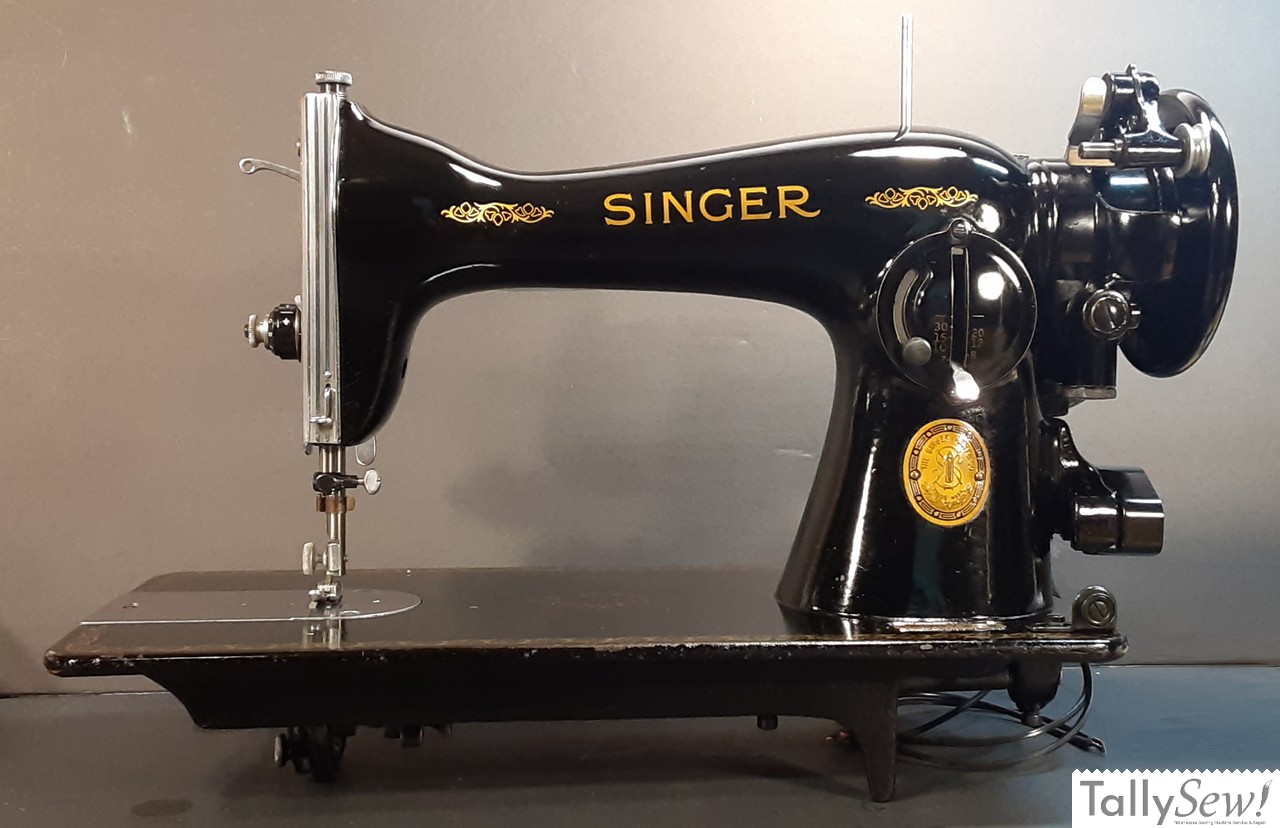
Rarity affects value, but often less than you might expect. A scarce machine only holds value if collectors actively want it. Conversely, highly desirable and mechanically excellent machines can be worth very little if millions of them exist. For example, the Singer 15-91 is a fantastic, popular machine, but because it is so common, you can easily find one for under $50.
Location
Location alters value significantly. Because shipping heavy equipment is expensive, local supply and demand rule the market. Finding a buyer in a small town is difficult, which drives prices down. In contrast, metropolitan areas support higher prices due to a larger pool of buyers.
Seller Motivation
A motivated seller who needs to clear space will drop the price quickly to move the machine. An unmotivated seller will list a machine at a high price and let it sit unsold for months.
Buyer Motivation
A motivated buyer will overpay if they need a specific machine immediately. This happens when a collector fills a gap in their inventory or a hobbyist seeks a precise model for a project.