Singer 101 Sewing Machine – History, Features, Photos
Updated: 2026.04.04
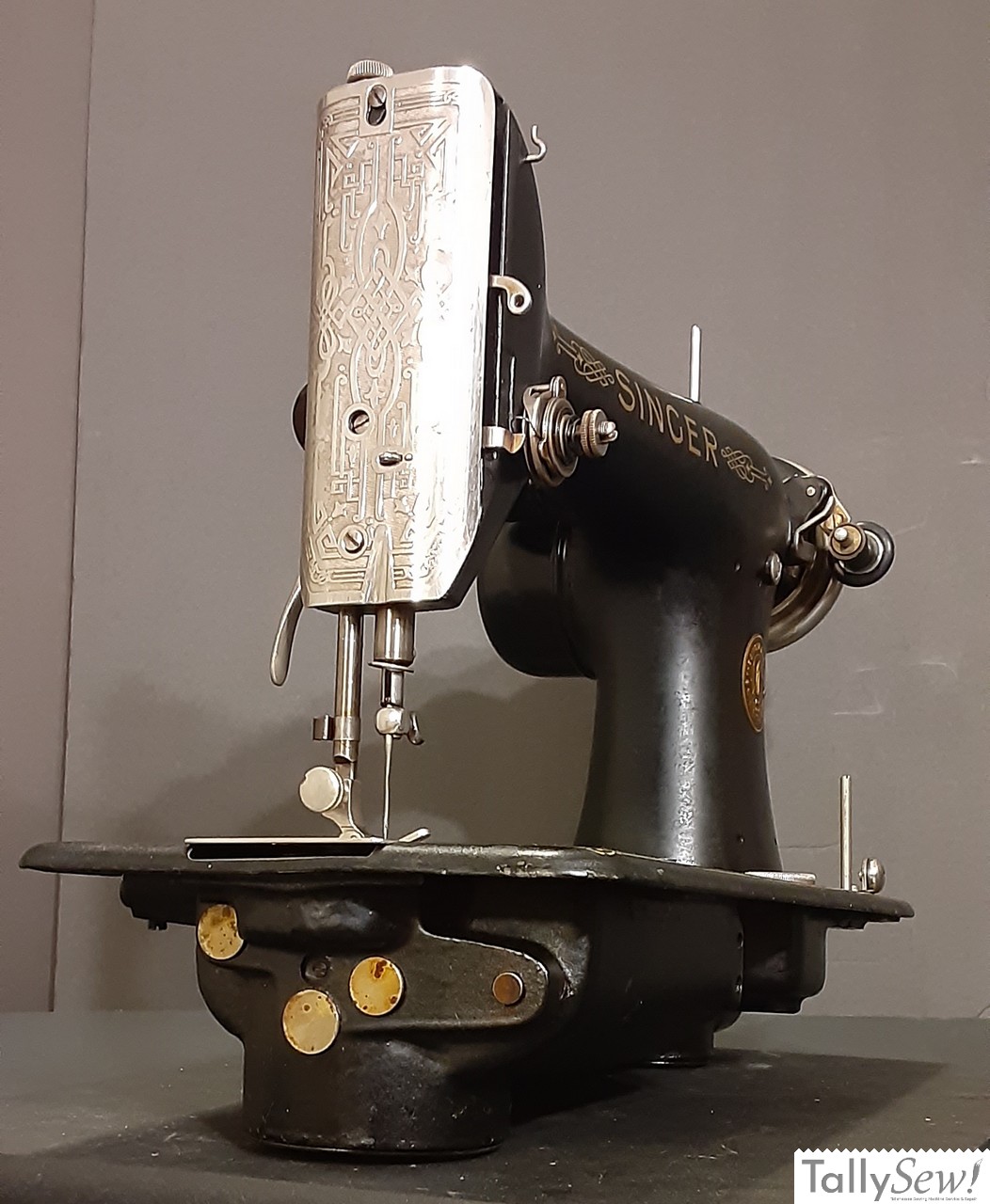
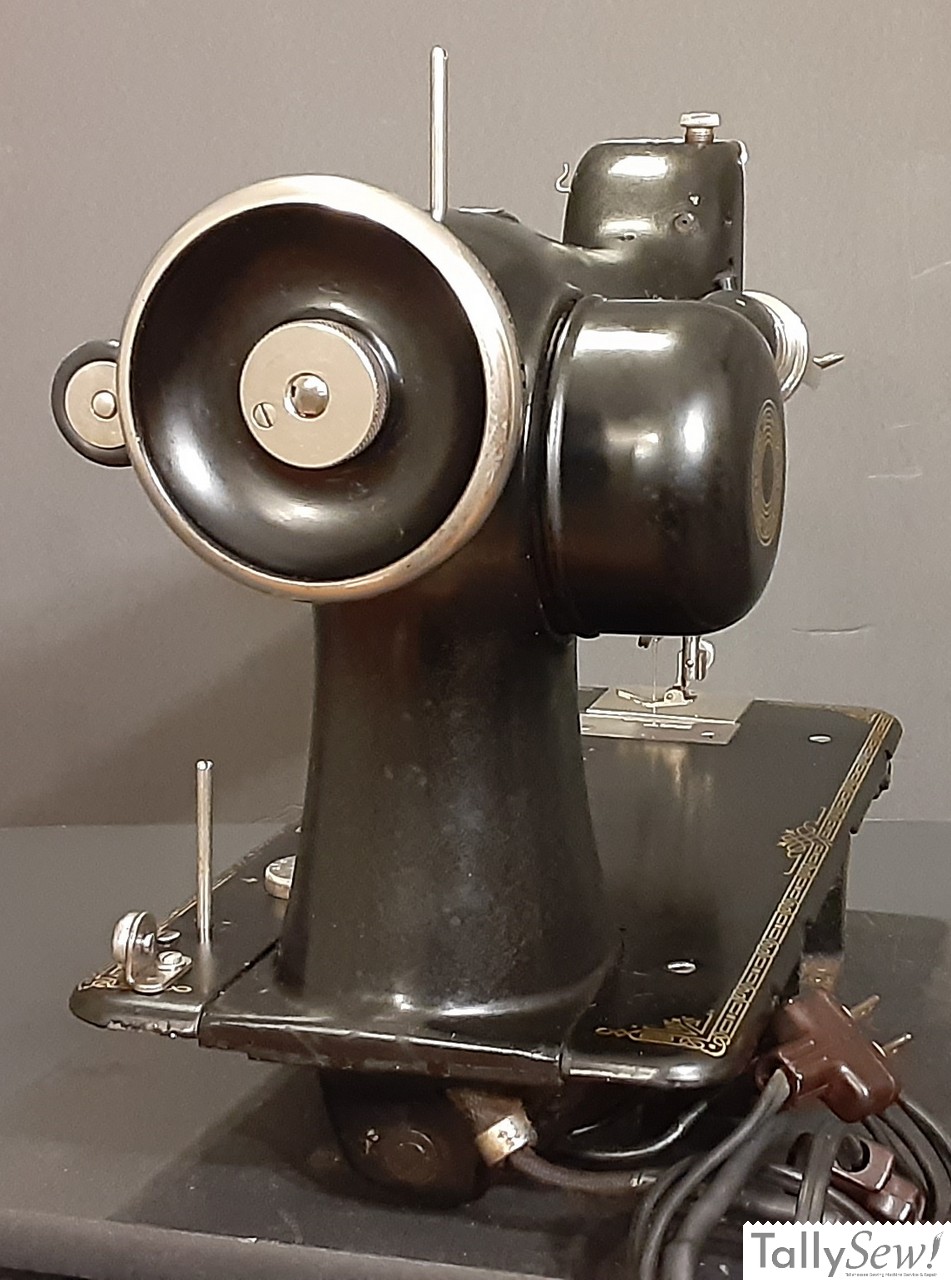
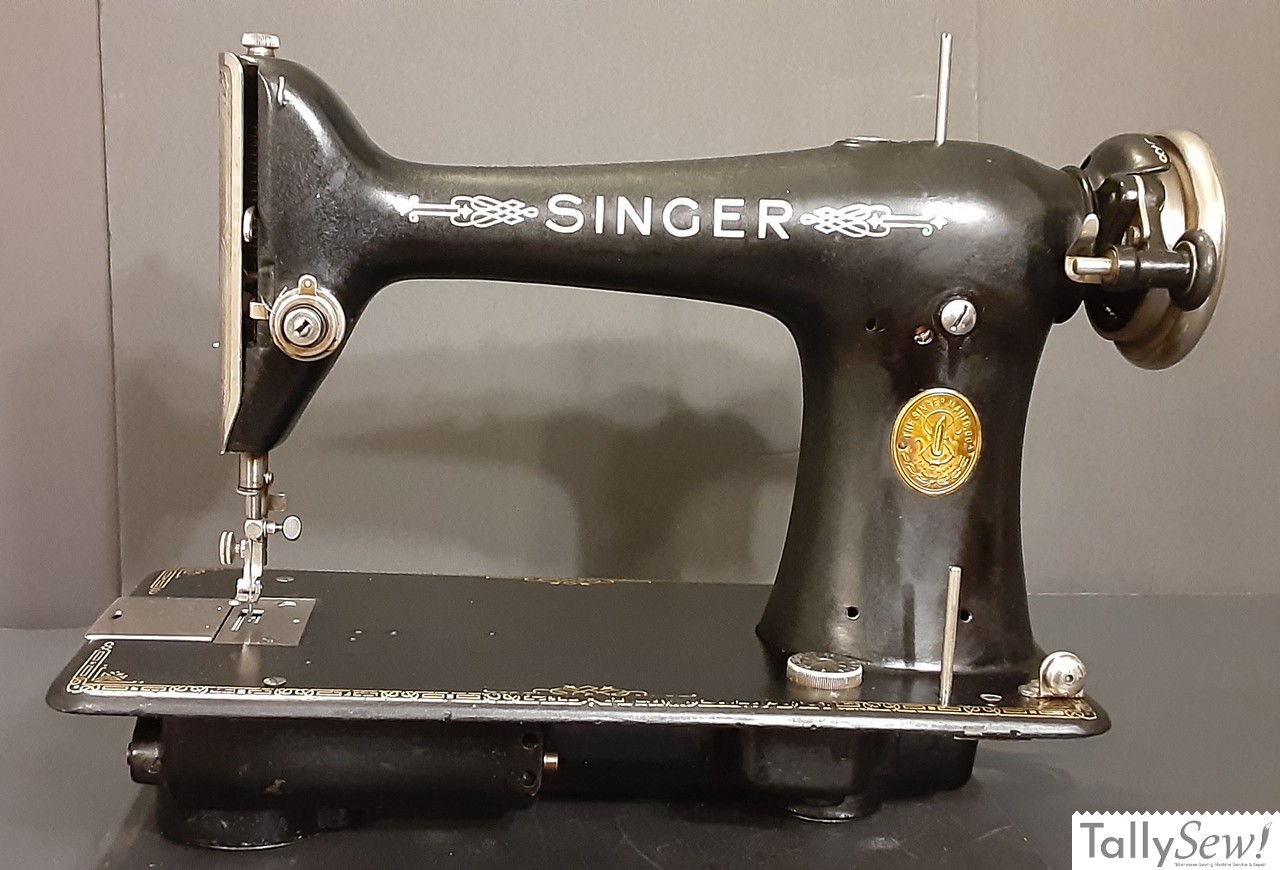
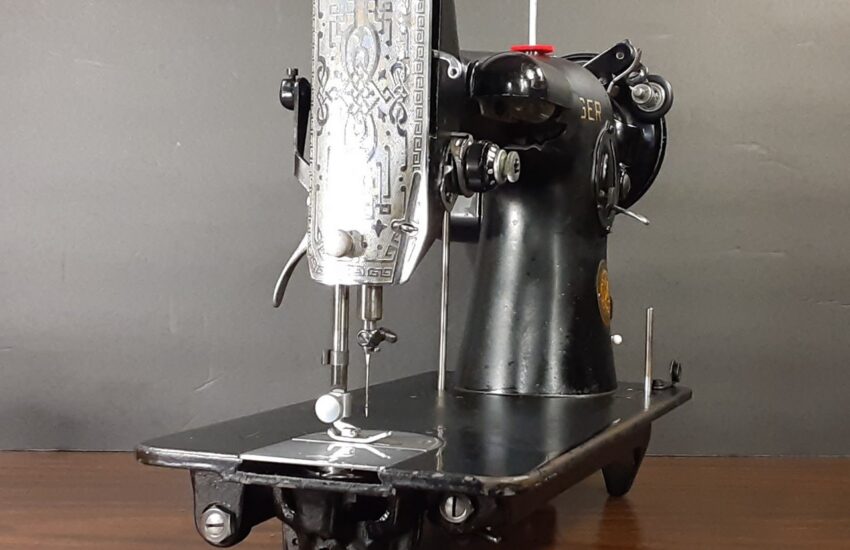
The Singer Model 101 sewing machine is one of the most important machines in Singer’s history, marking the transition from belt-driven designs to fully integrated electric machines.
The Model 101 is a fascinating sewing machine that often gets overlooked in favor of later models like the Singer 201-2 sewing machine and the Singer 15-91 sewing machine. Even so, from both a mechanical and historical standpoint, it’s one of the most important sewing machines Singer ever produced.
Produced from 1920 to 1932, the 101 was a bold move. It was Singer’s first domestic machine engineered from the ground up to be electric only. Earlier household machines like the Singer Model 66 sewing machine and 127 were designed for treadle or hand‑crank use and later electrified with add‑on motors and belts. The 101 wasn’t meant to be adapted that way. It was electric or nothing.
In the 1920s, the 101 was a high‑performance, top‑of‑the‑line machine. It retailed for between $140 and $170, which works out to roughly $2,000 to $3,500 today. Because many homes still lacked electricity and the price point was so high, it never reached the production numbers of its contemporaries. Only about 230,000 were made during its 12‑year run, which is why you don’t see them in the wild nearly as often as other vintage Singers.
The Singer 101 used a distinctive rotary dial on the bedplate to adjust the straight‑stitch length, and it does not have a reverse stitch capability. It was produced in both cast‑iron and cast‑aluminum versions. The cast‑iron machines, like the 101‑4, were usually sold in cabinets. The cast‑aluminum 101‑12 models were often sold in portable bentwood cases.
Potted Motor
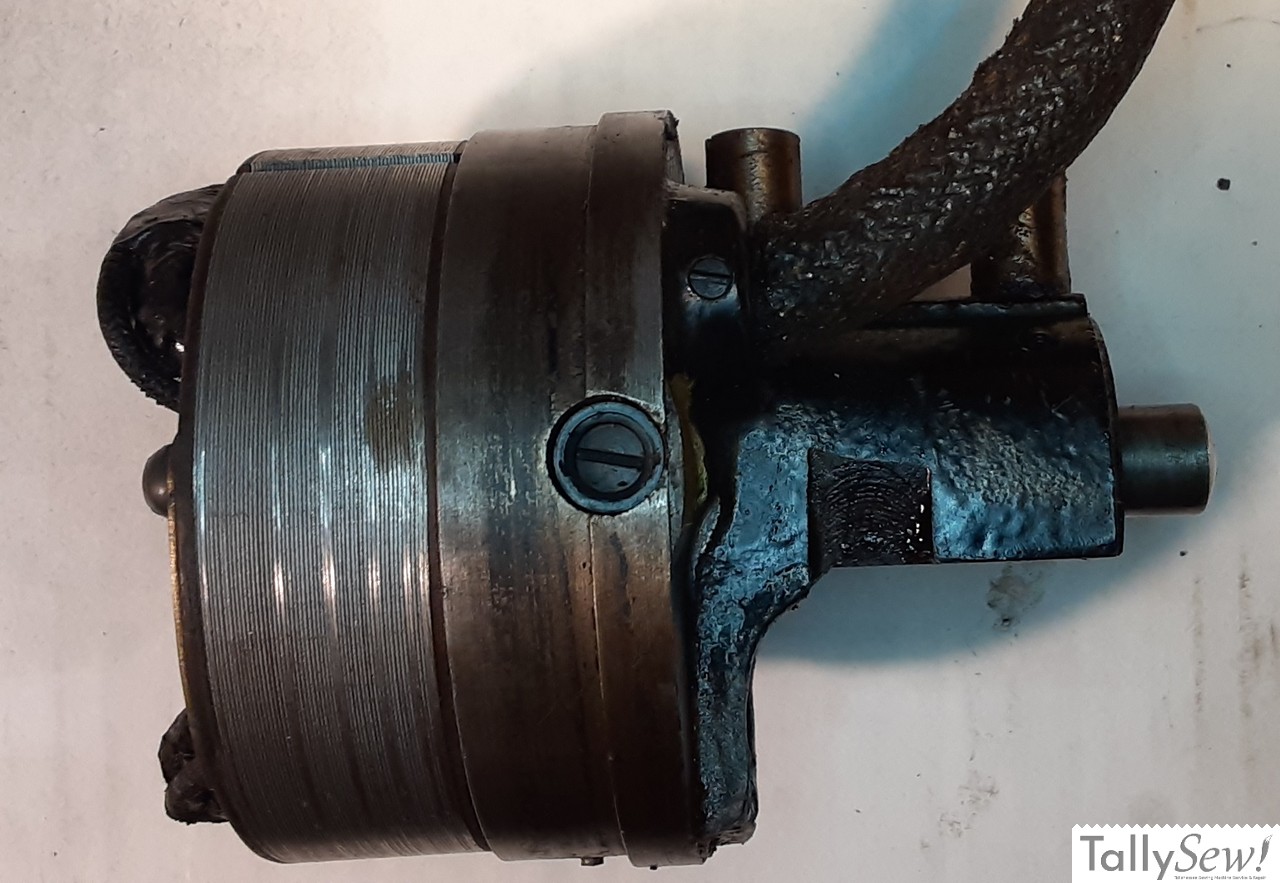
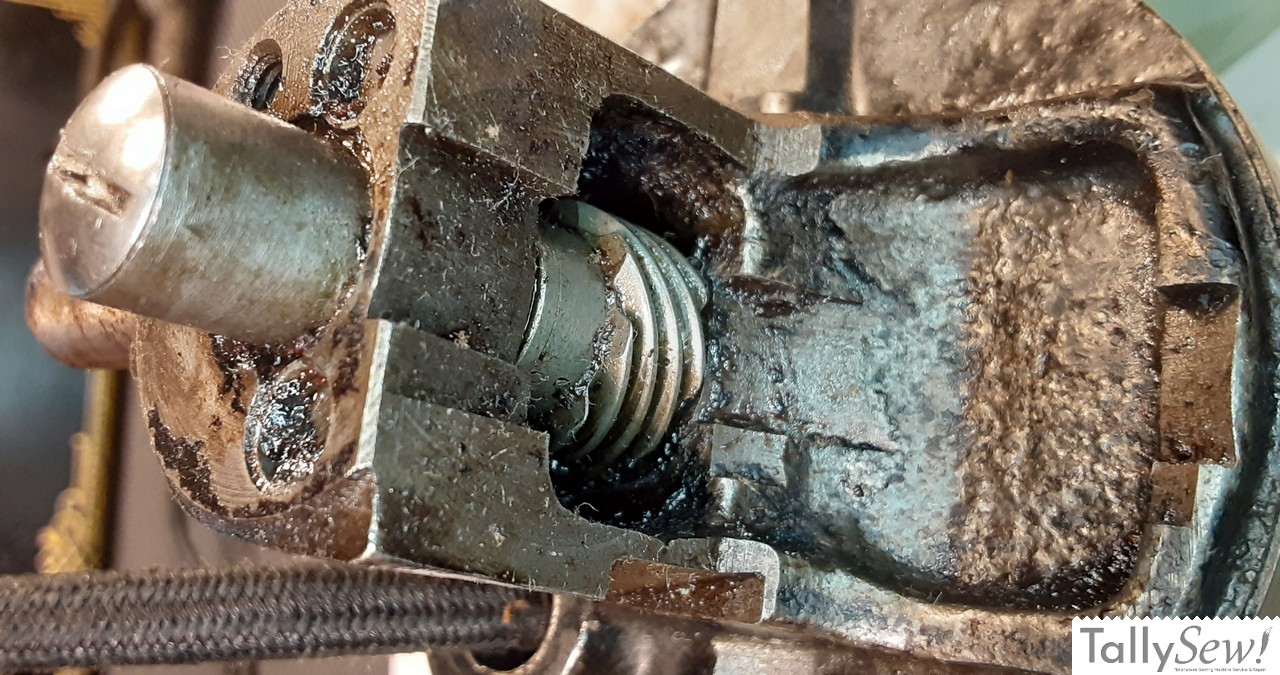
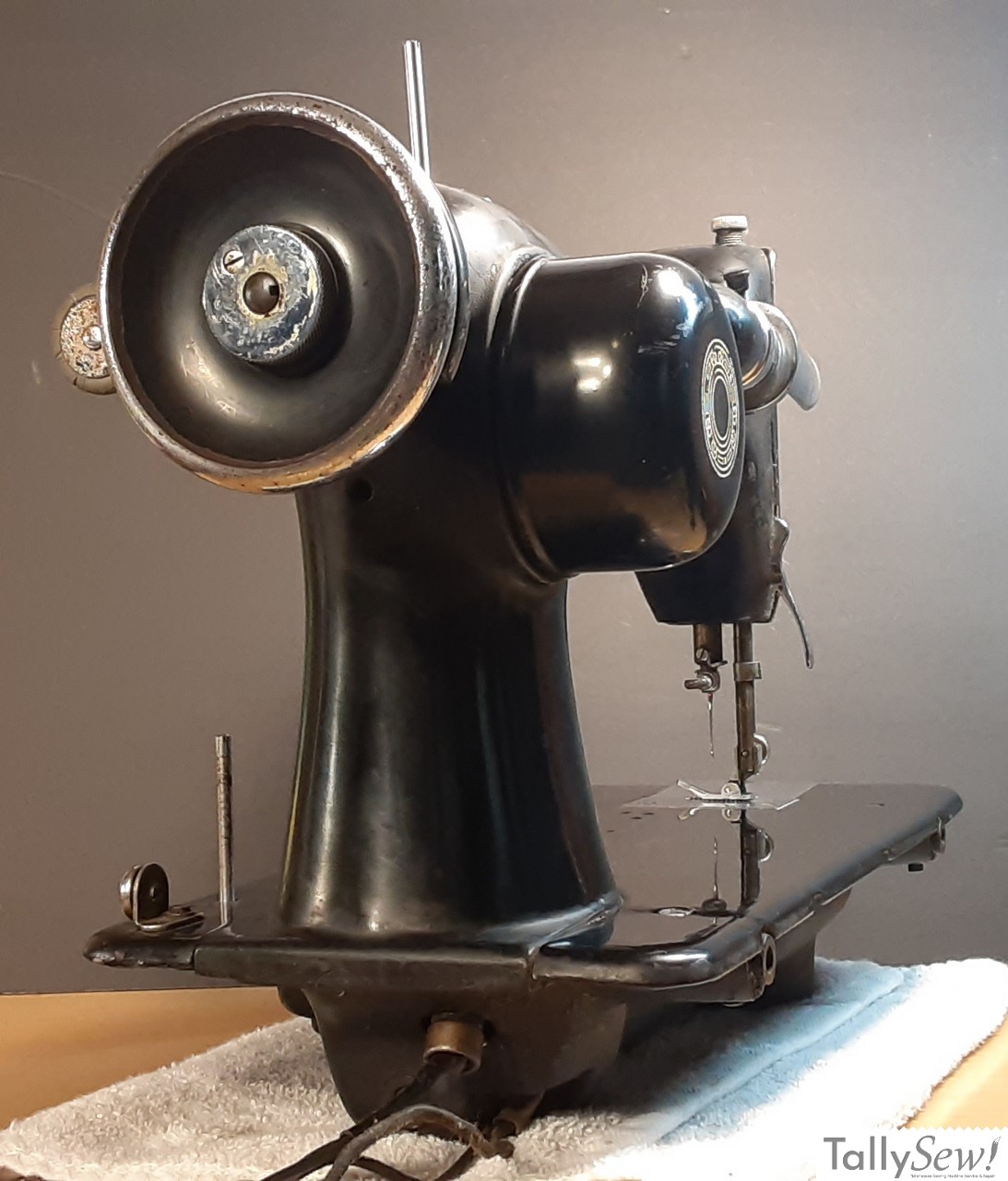
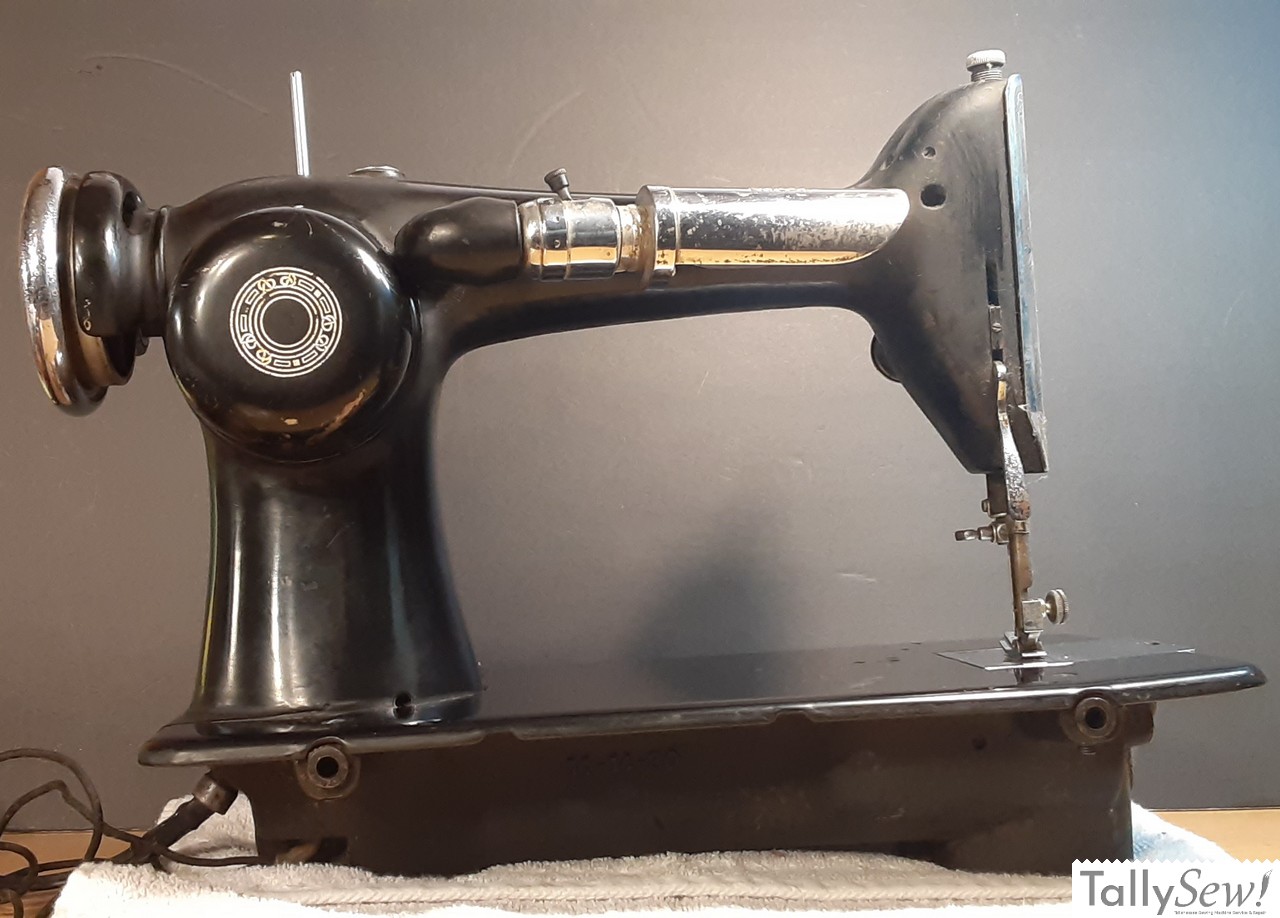
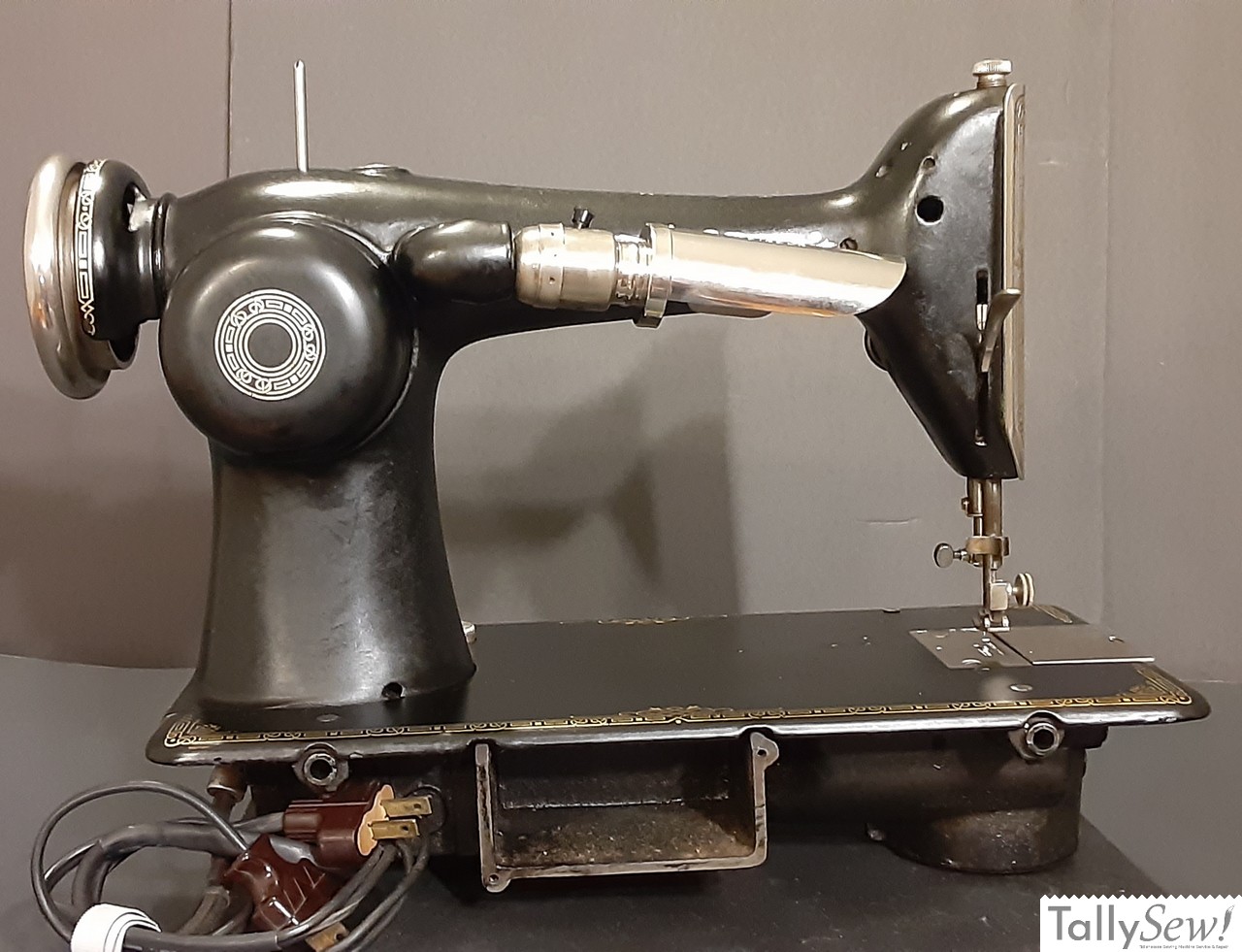
The 101 was the first household Singer to use a fully gear‑driven, enclosed “potted motor” design. This did away with the external belts found on most machines of the time. It was also Singer’s first real attempt to fully integrate an electric drive system into a domestic sewing machine instead of adapting a treadle design with a bolt‑on motor. The term “potted motor” comes from the round, pot‑shaped housing that extends from the back of the machine, enclosing and protecting the motor.
This setup provided smooth, consistent power and kept dust and lint out. It also reduced noise compared to open belt‑driven systems. The motor itself is gear‑driven rather than belt‑driven, runs at a relatively low speed, and delivers strong torque matched to the machine’s internal gearing. What makes it especially interesting is that the 101’s motor is unique to this model. Singer was still working out the design, so this wasn’t yet a standardized platform.
Because of that, the 101 motor is not interchangeable with later potted motors. By the time you get to machines like the Singer 201‑2 and the Singer 15‑91, Singer had refined the design enough that motors could often be swapped between models with only minor differences, such as the bobbin winder.
Full rotary hook
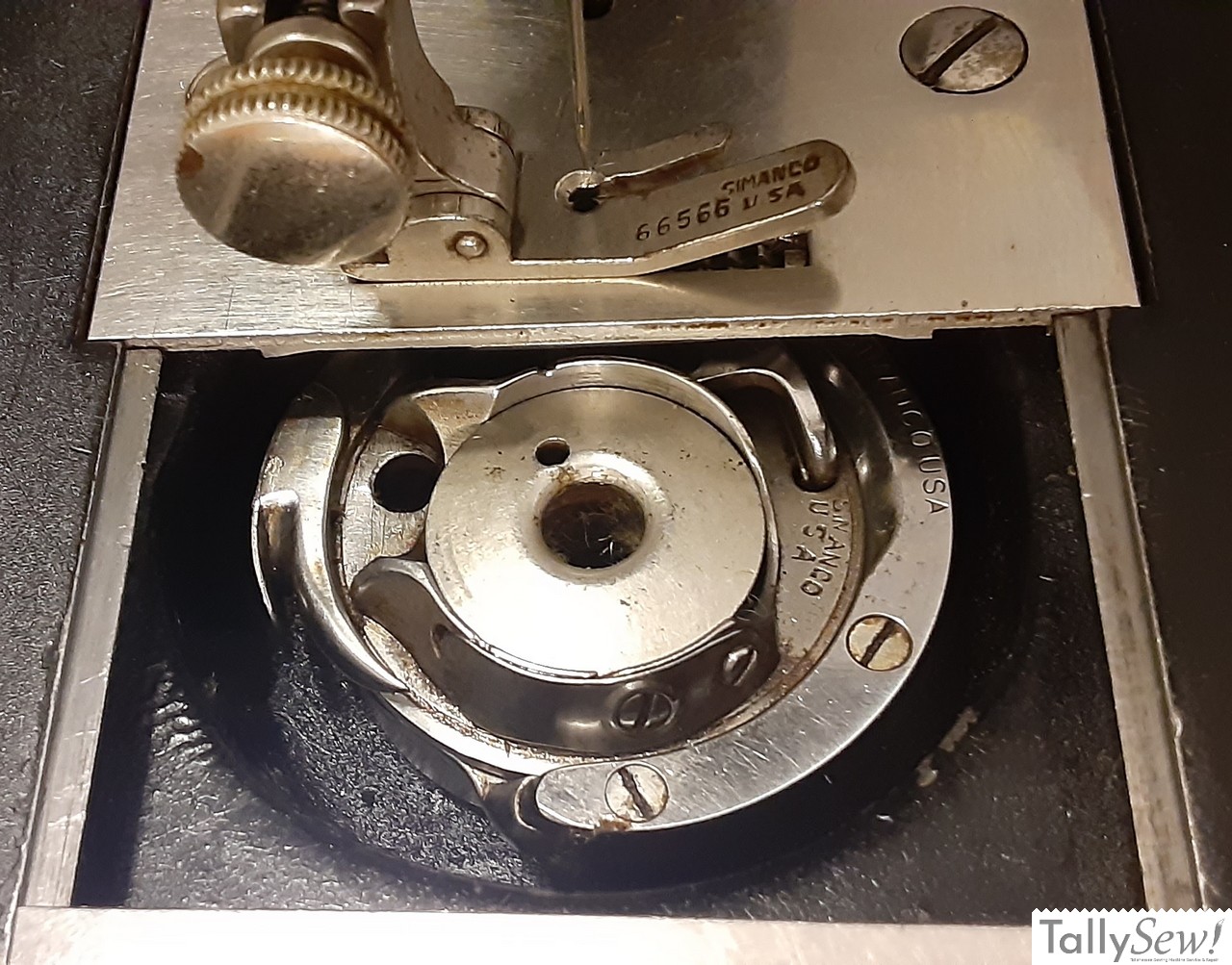
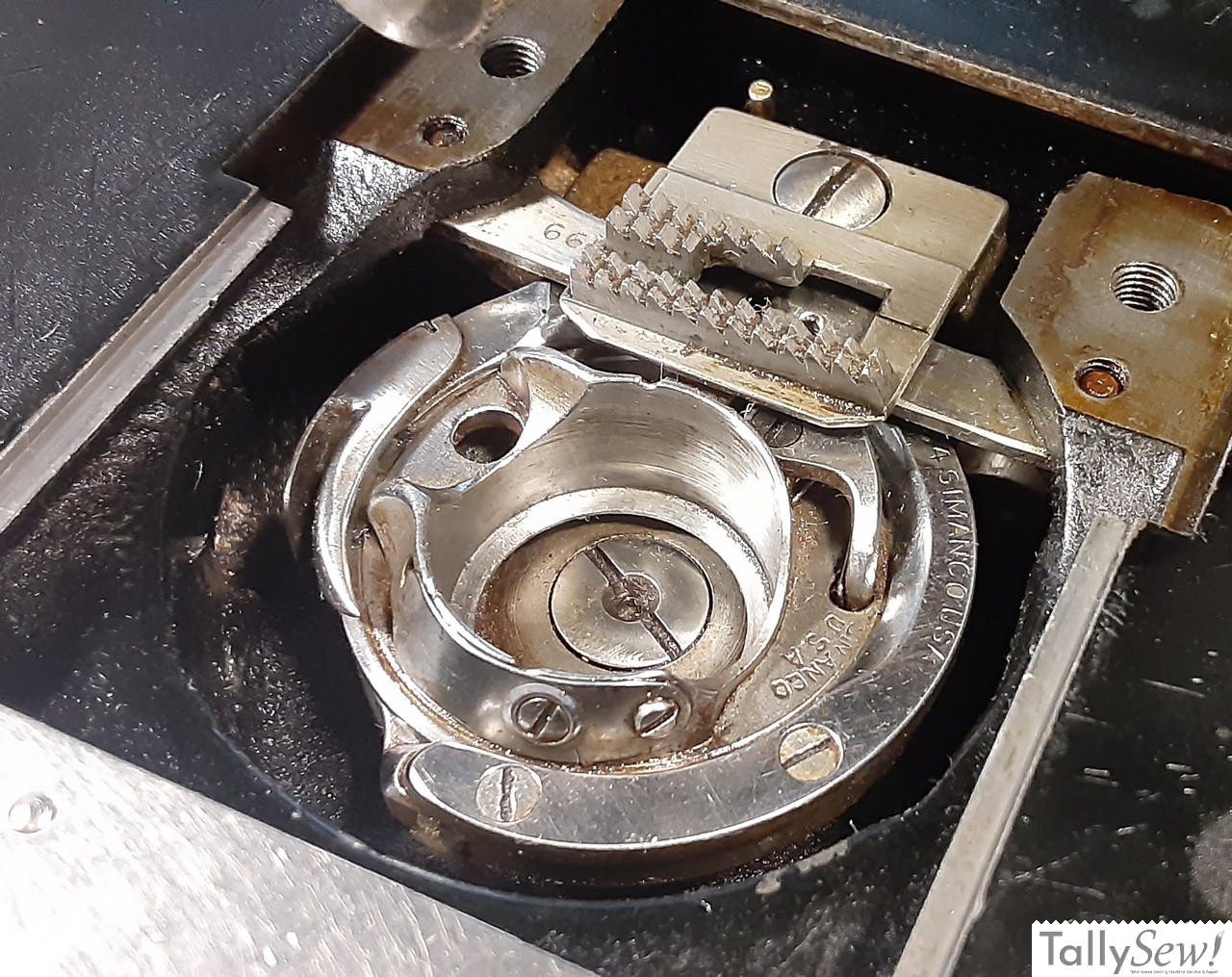
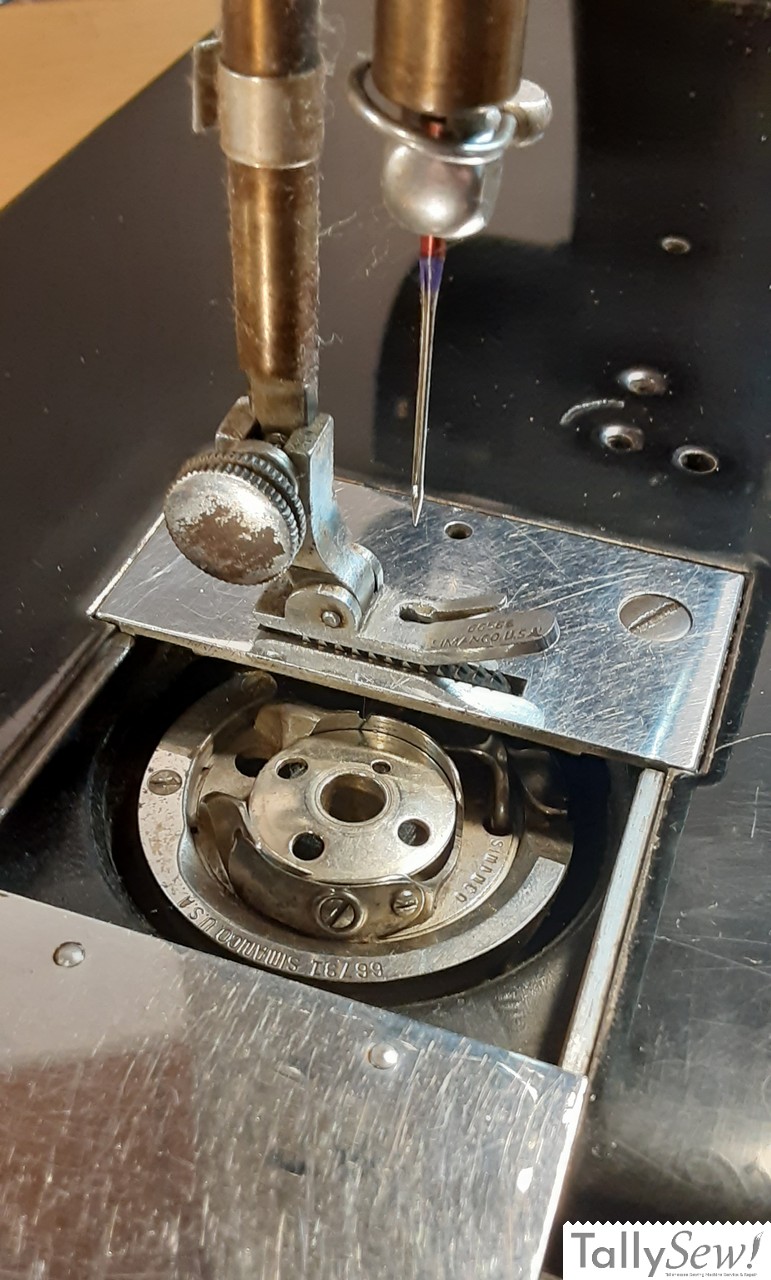
This model marked the introduction of the horizontal full rotary hook to Singer’s domestic line. It’s a feature often associated with later machines like the Singer 201-2, but it actually originated here. The 101 kept the Class 66 bobbin from the earlier Singer Model 66, but everything else about the hook system was a major step forward.
Combined with its direct‑drive design, the 101 is capable of producing a very precise straight stitch at speeds over 900 stitches per minute.
A High-Performance Luxury
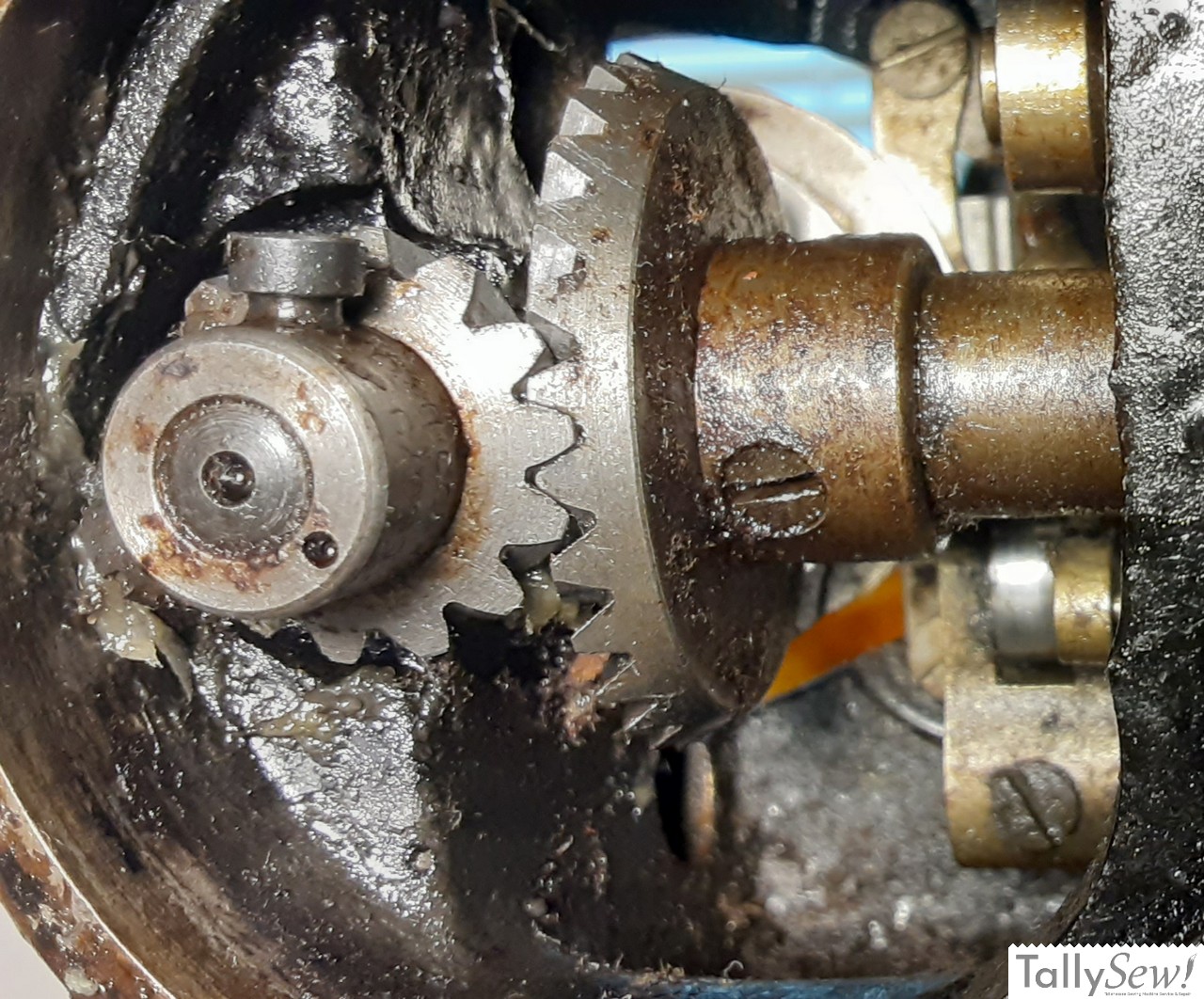
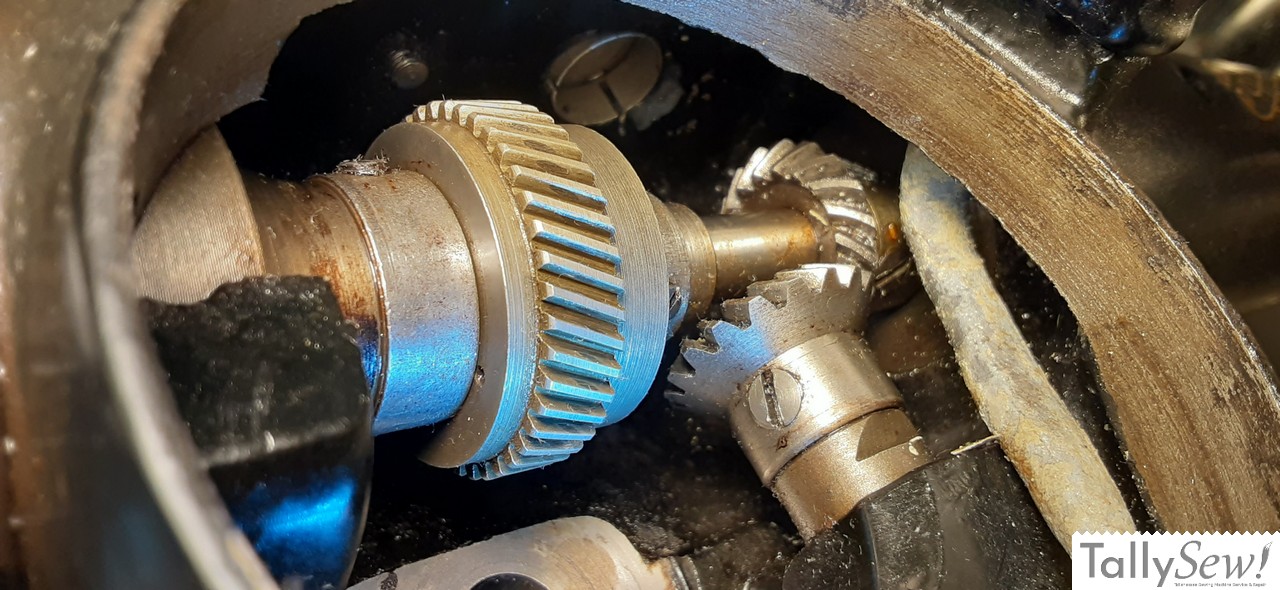
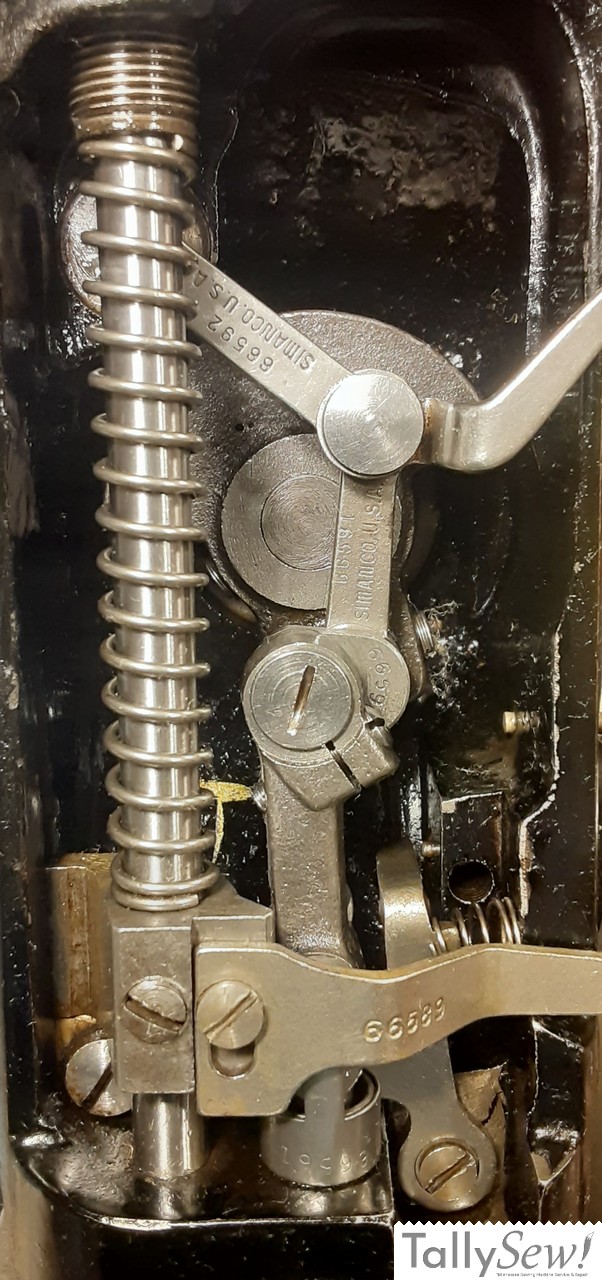
The 101 was an impressive machine, but it was also complicated and expensive, and it arrived at a time when much of its potential market simply wasn’t ready for it. Between the price and the limited access to electricity, it never reached the production numbers of other Singer machines.
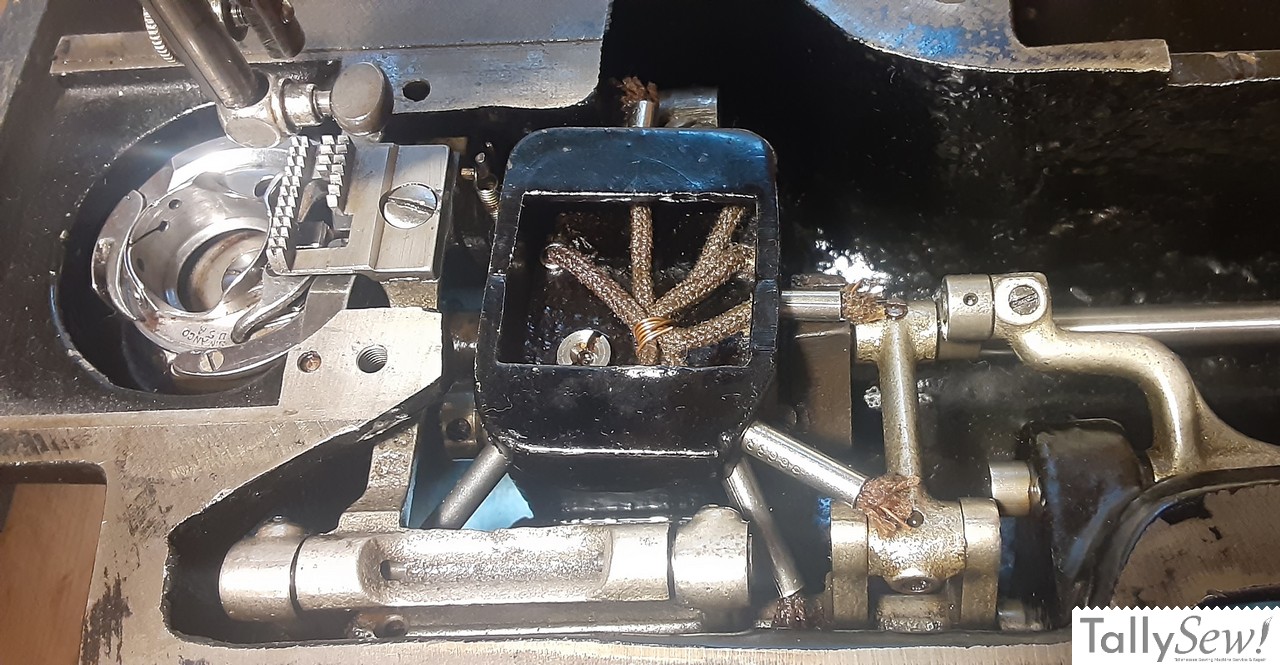
Much of that cost and complexity came from the engineering. The 101 used a fully integrated, gear‑driven potted motor that powered the entire machine without belts, along with a multi‑stage gear train that had to be precisely set at the factory. The machine also used an oiling system that would feel more at home in an early industrial machine, with a network of wicks feeding oil throughout the lower end. One well‑known issue with this design is that when the machine is folded down into its cabinet, oil can drain out of the pan. Singer later tried to address this with a raised lip on the reservoir.
All of this made for a machine that ran smoothly and produced excellent stitch quality, but it also made it harder to service and maintain. The gear train limited disassembly, the lubrication requirements were more involved than most home users were used to, and even routine service could require removing the motor. Despite being something of a commercial miss, the 101 set the stage for later machines like the Singer 201‑2, where these same ideas were refined into a more practical and widely adopted design.
Singer Lamp
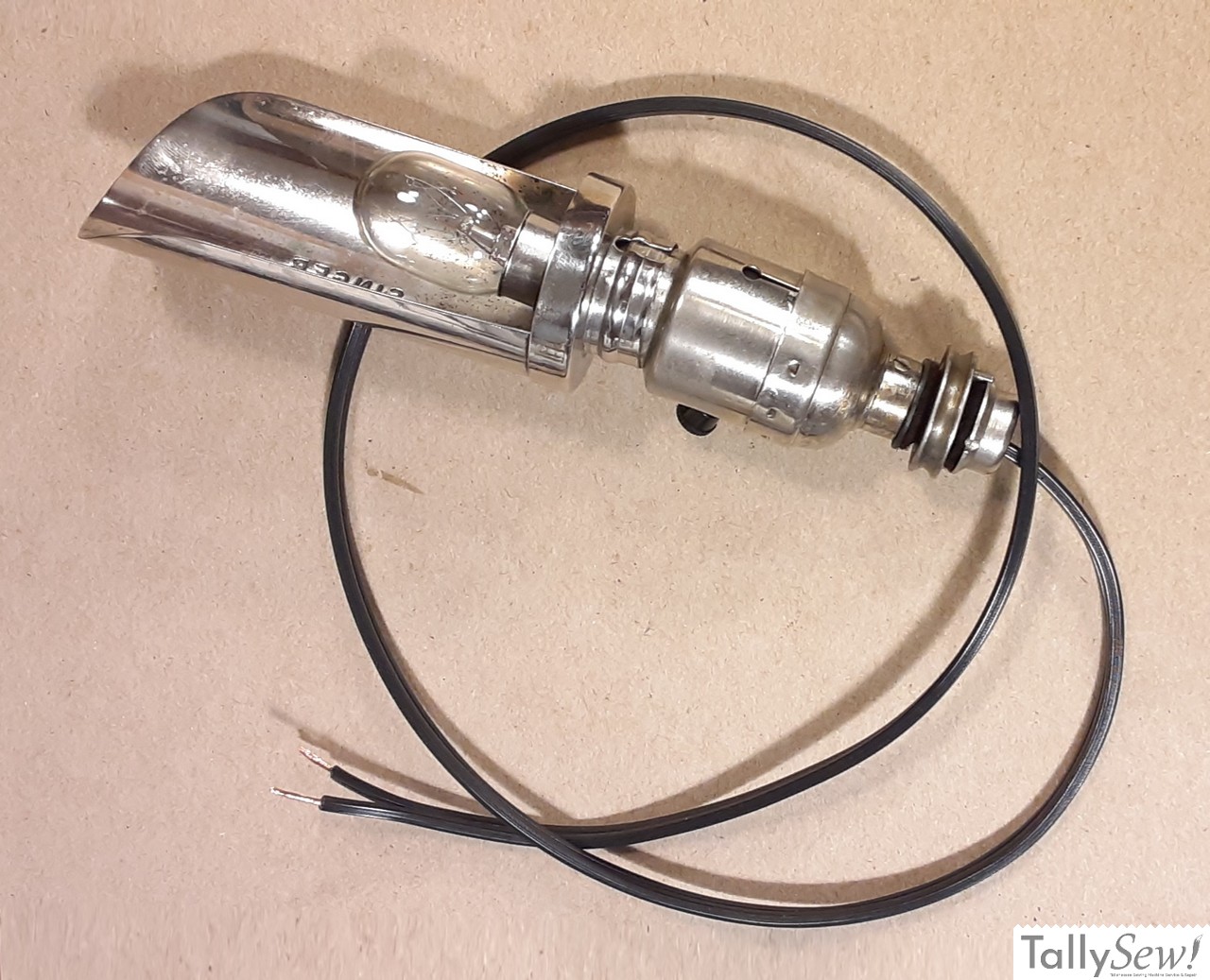
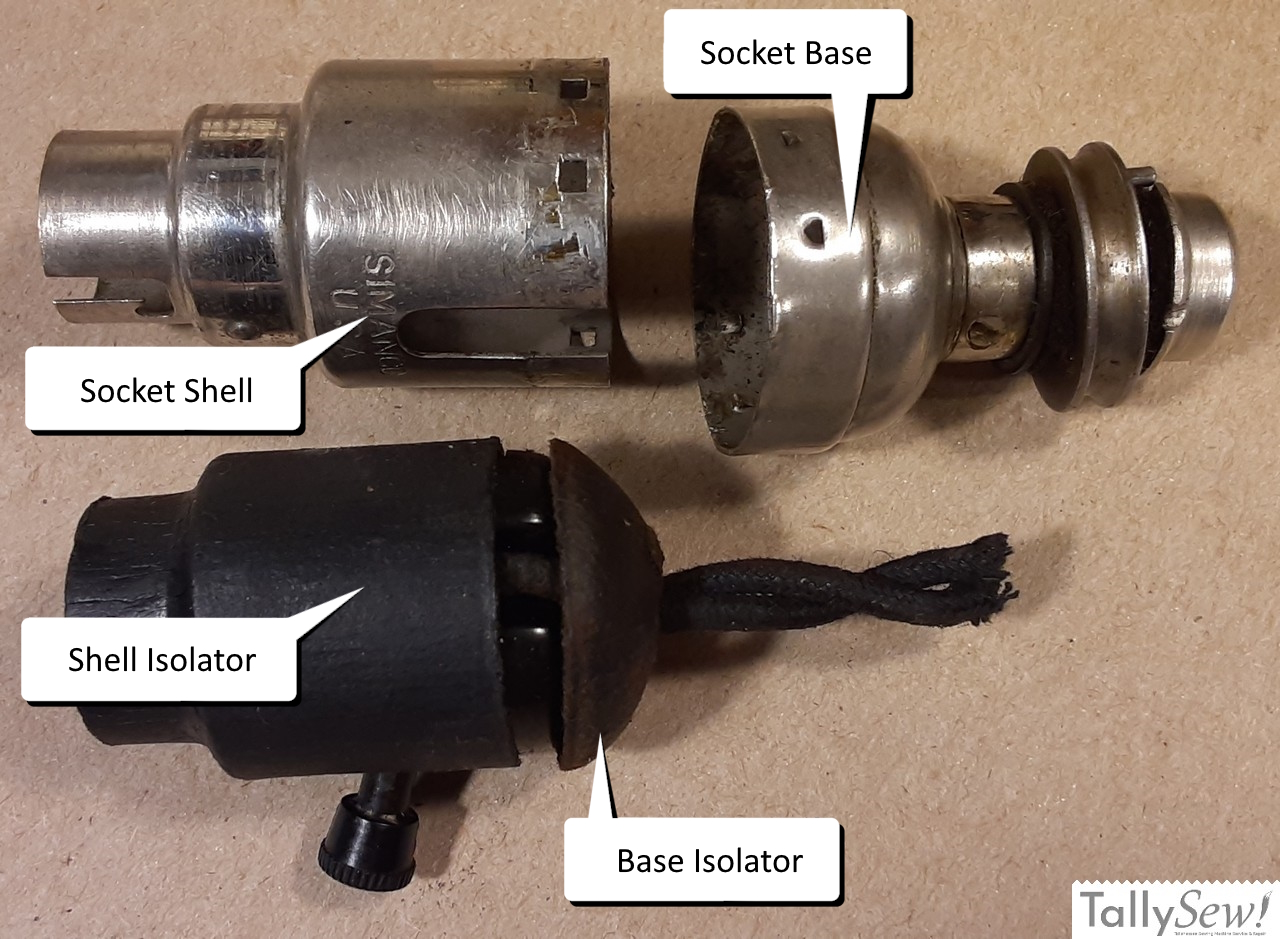
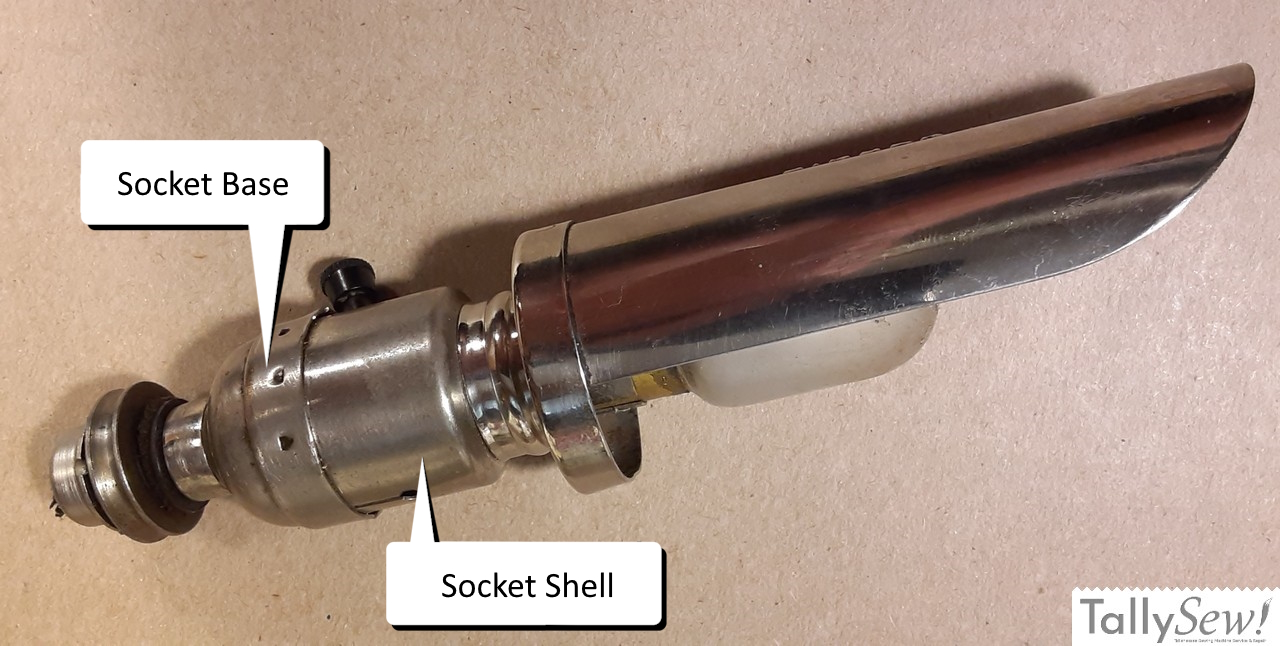
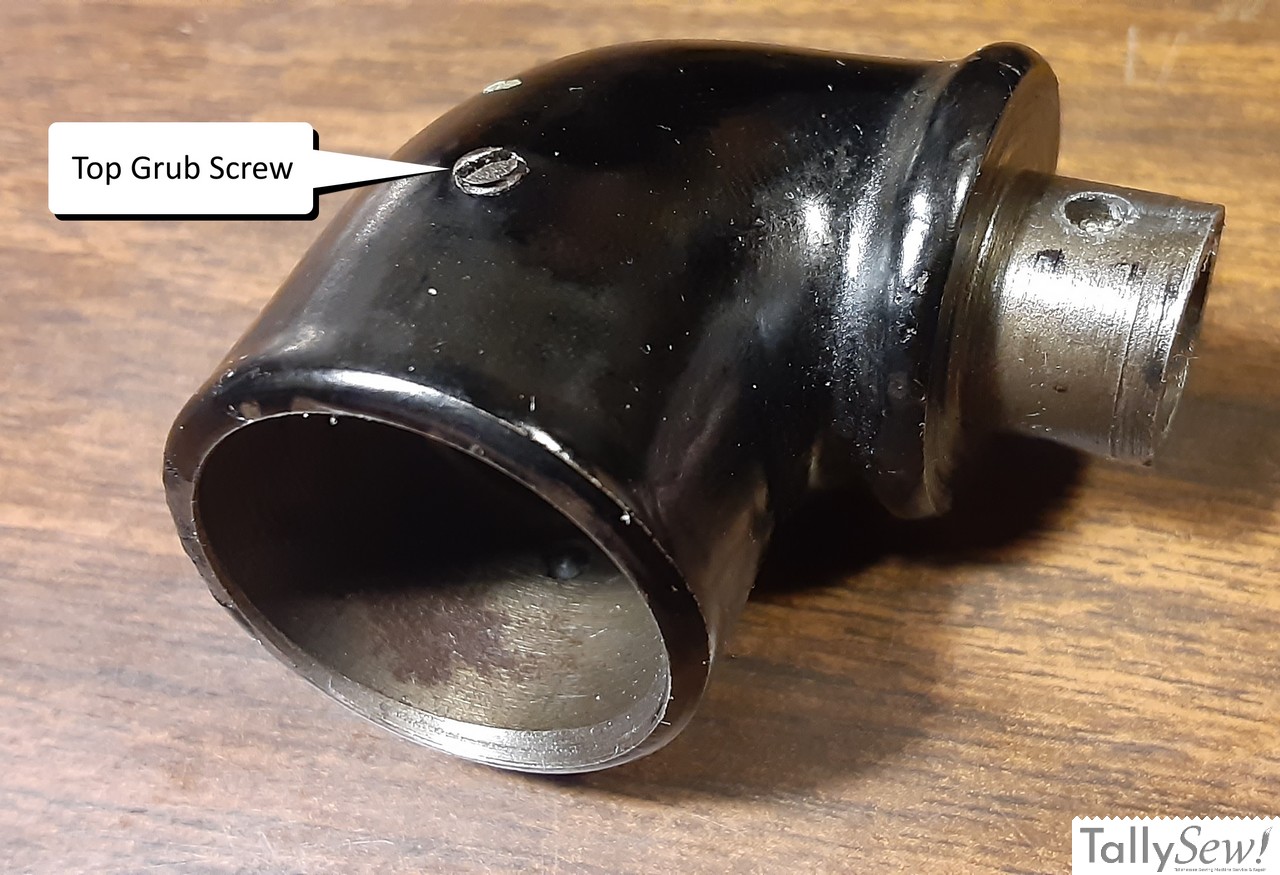
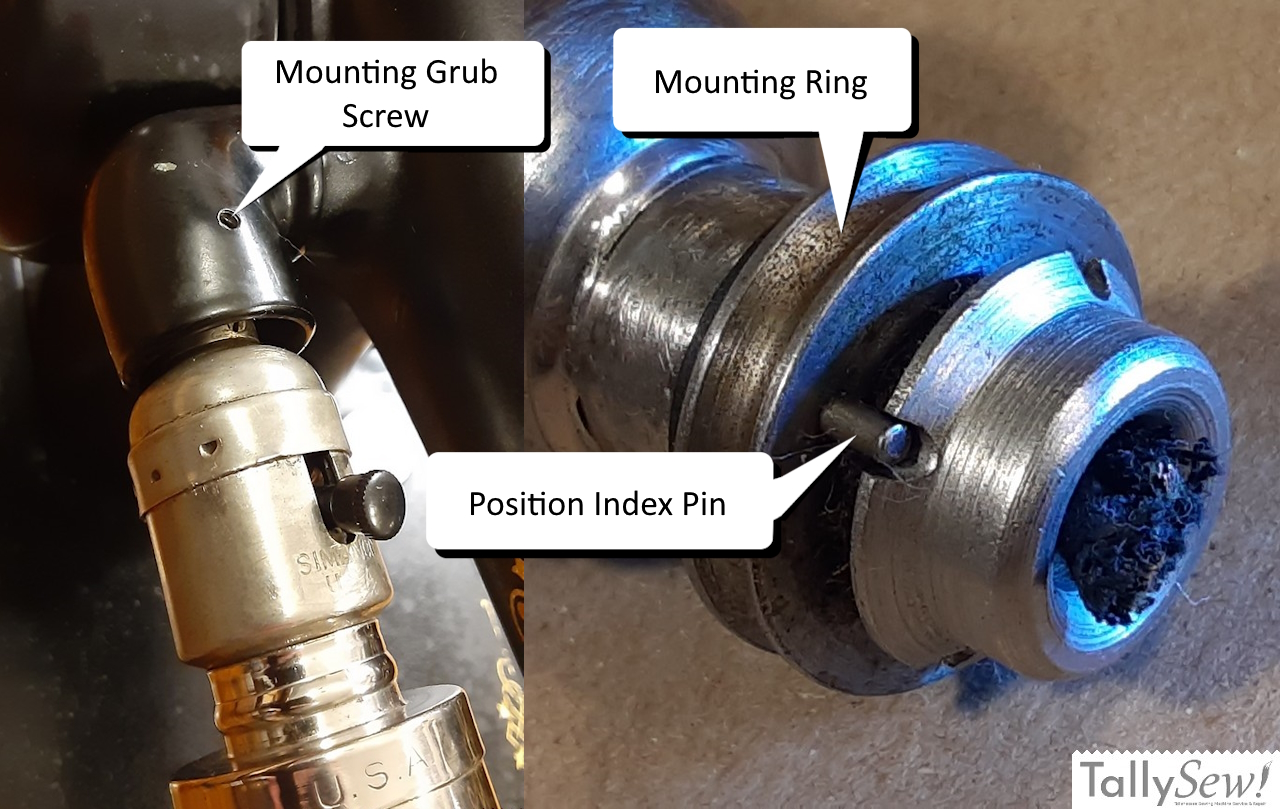
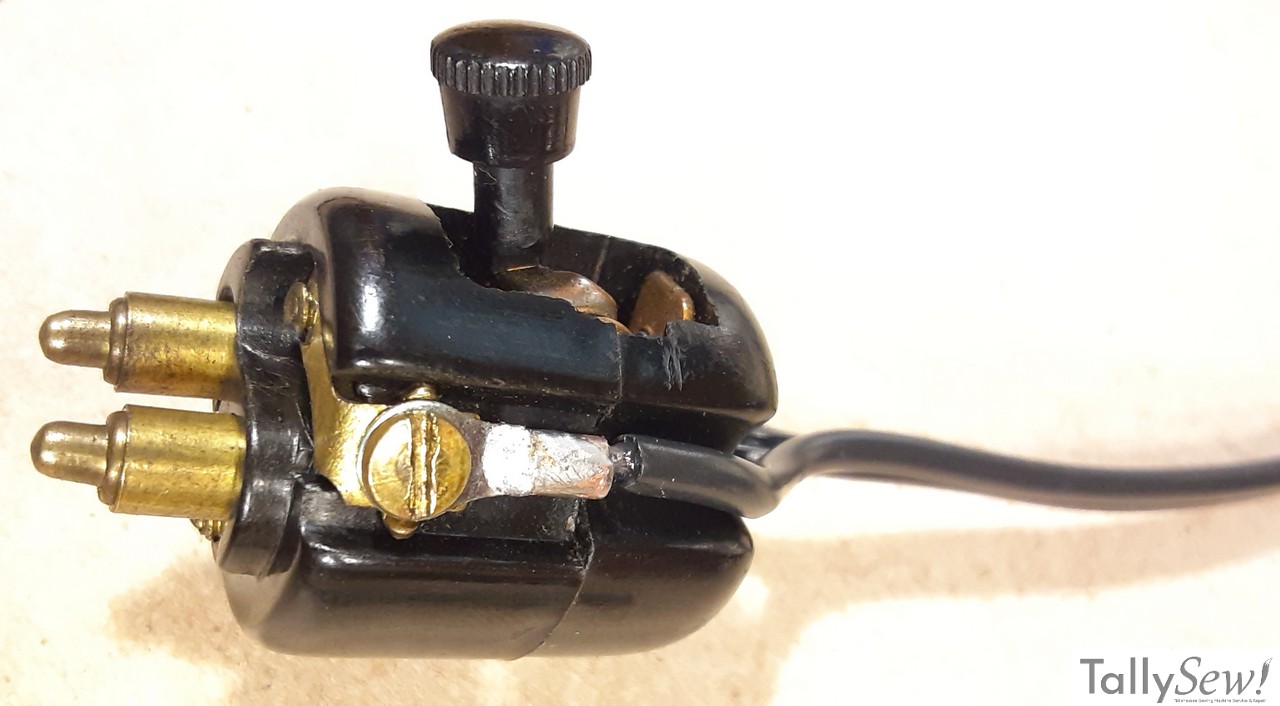
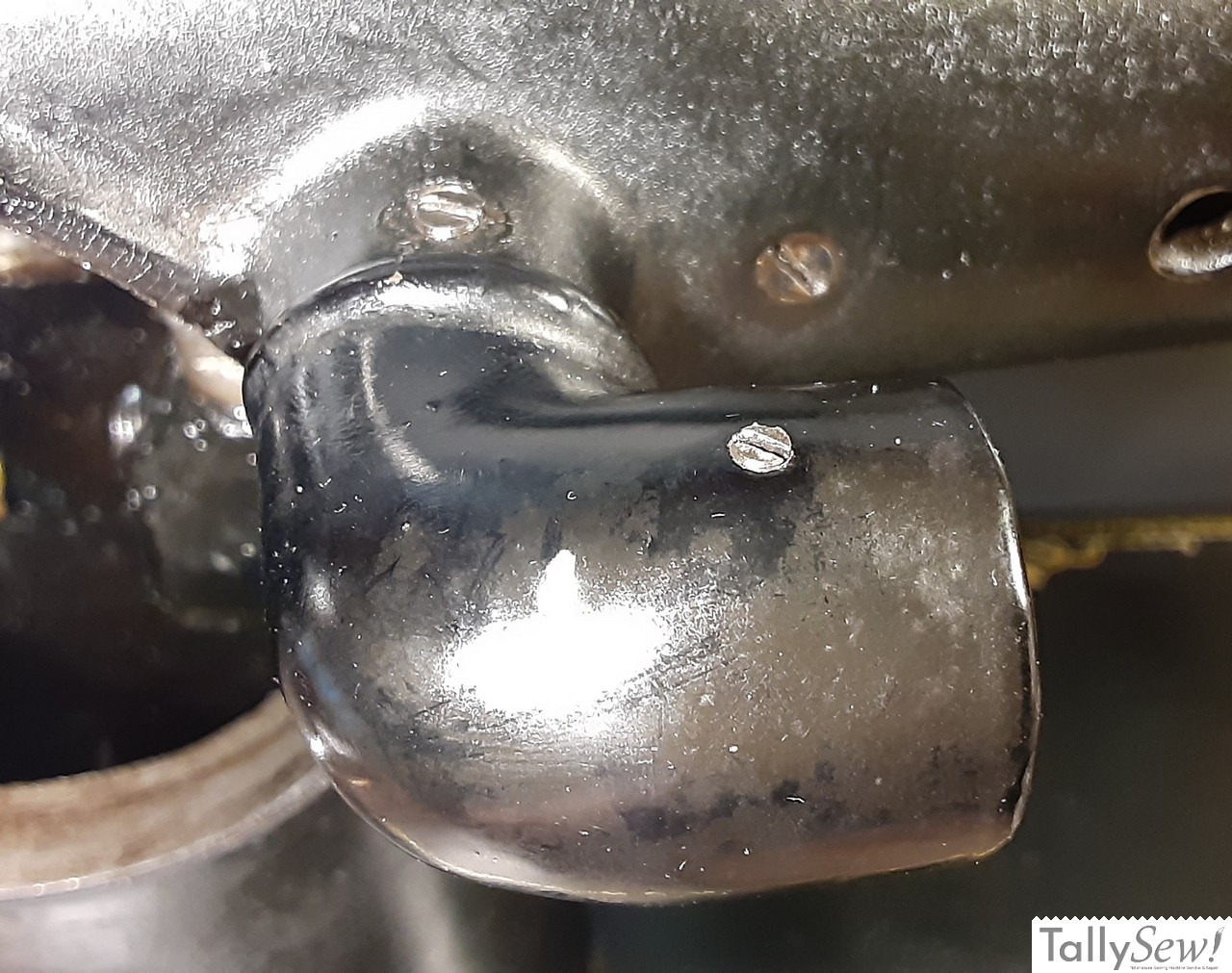
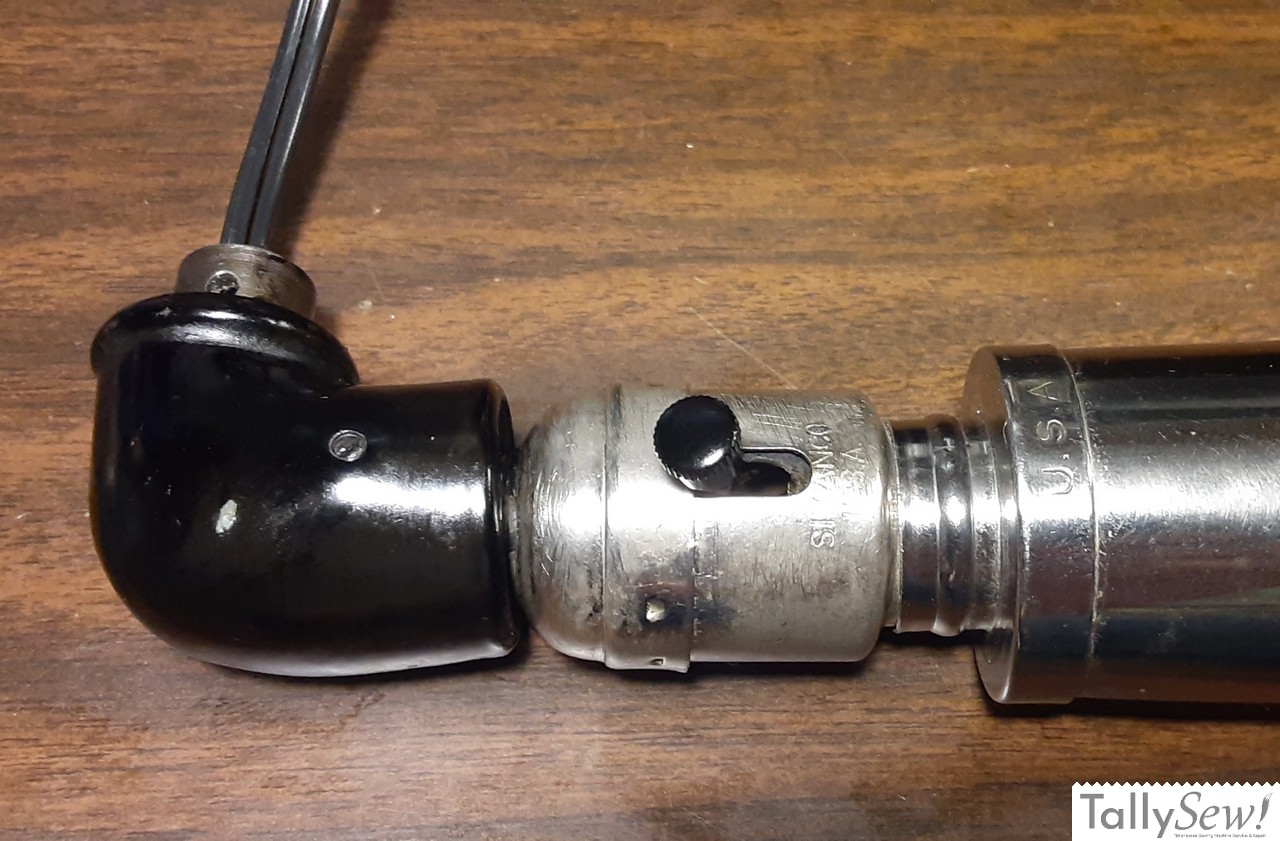
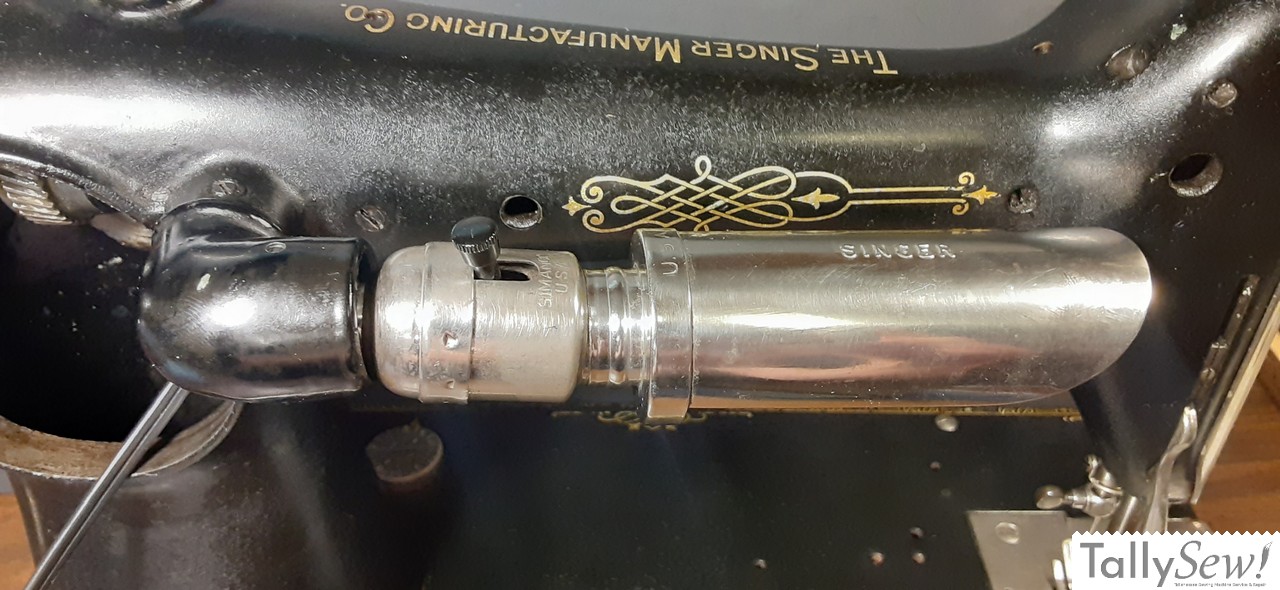
The Singer Model 101 came standard with the “SINGERLIGHT,” an integrated electric lamp that Singer marketed as a core feature rather than a bolt‑on accessory. The operation is straightforward, controlled by a simple switch lever reached from over the top. Even so, the physical mounting and placement feel like one of the few engineering oversights on the machine. The user manuals are even peppered with bold warnings to avoid hitting the lamp or shade when folding the machine into its cabinet, which confirms that the mount design was likely a late addition that didn’t fully account for the machine’s storage space.
Maintenance is where this design really becomes a headache. Replacing a bulb is a surprisingly tedious chore. The shade doesn’t lift off; instead, you have to hold the socket firmly while rotating the shade to align a pin with a hidden slot. Because it’s a bayonet‑style socket rather than a standard screw‑in, you have to press and turn the bulb and shade together just to get them free. It’s a clunky, over‑engineered process for a simple task, and it perfectly illustrates why this part of the machine feels less refined than the rest of the 101’s engineering.
The documentation is also notably silent on the specifics of the mounting bracket and wiring, which remains the messiest part of the whole assembly. While the manuals cover basic components like the socket and plug, they offer no real guidance on the bracket itself. This lack of technical detail, combined with the awkward bulb‑change procedure, really drives home the point that the lighting system was a functional necessity that was never fully integrated into the 101’s otherwise brilliant mechanical design.
Specifications
| Brand | Singer |
| Model | 101 |
| Machine Body | All Metal: Cast Iron or Cast Aluminum |
| Drivetrain & Gears | Direct Drive, Metal |
| Color | Black |
| Motor Mount | Potted, Rear Mount |
| Foot Type | Low Shank |
| Hook Type | Rotary |
| Bobbin Type | Class 66 |
| Needle System | 15×1 |
Would you like to know more?
- Singer Sewing Machine Company History
- Wikipedia – Singer Corporation
- Facebook Group – Vintage Sewing Machines
Learn More: Singer 101 sewing machine with potted motor