Singer 306 Swing-Needle Sewing Machine (1954-1962) – Guide & Repair
Singer 306K (Kilbowie, Clydebank, Scotland)
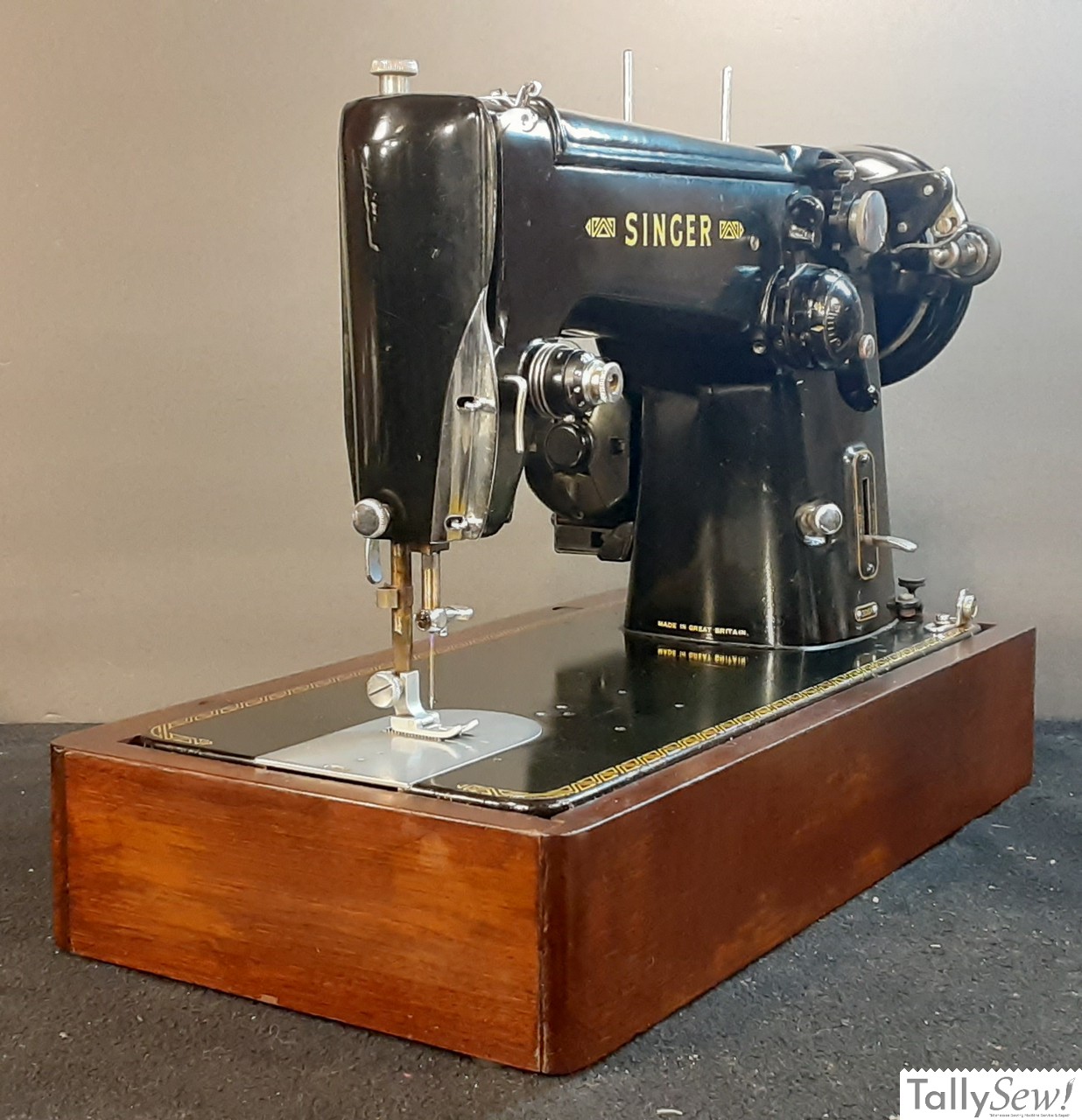
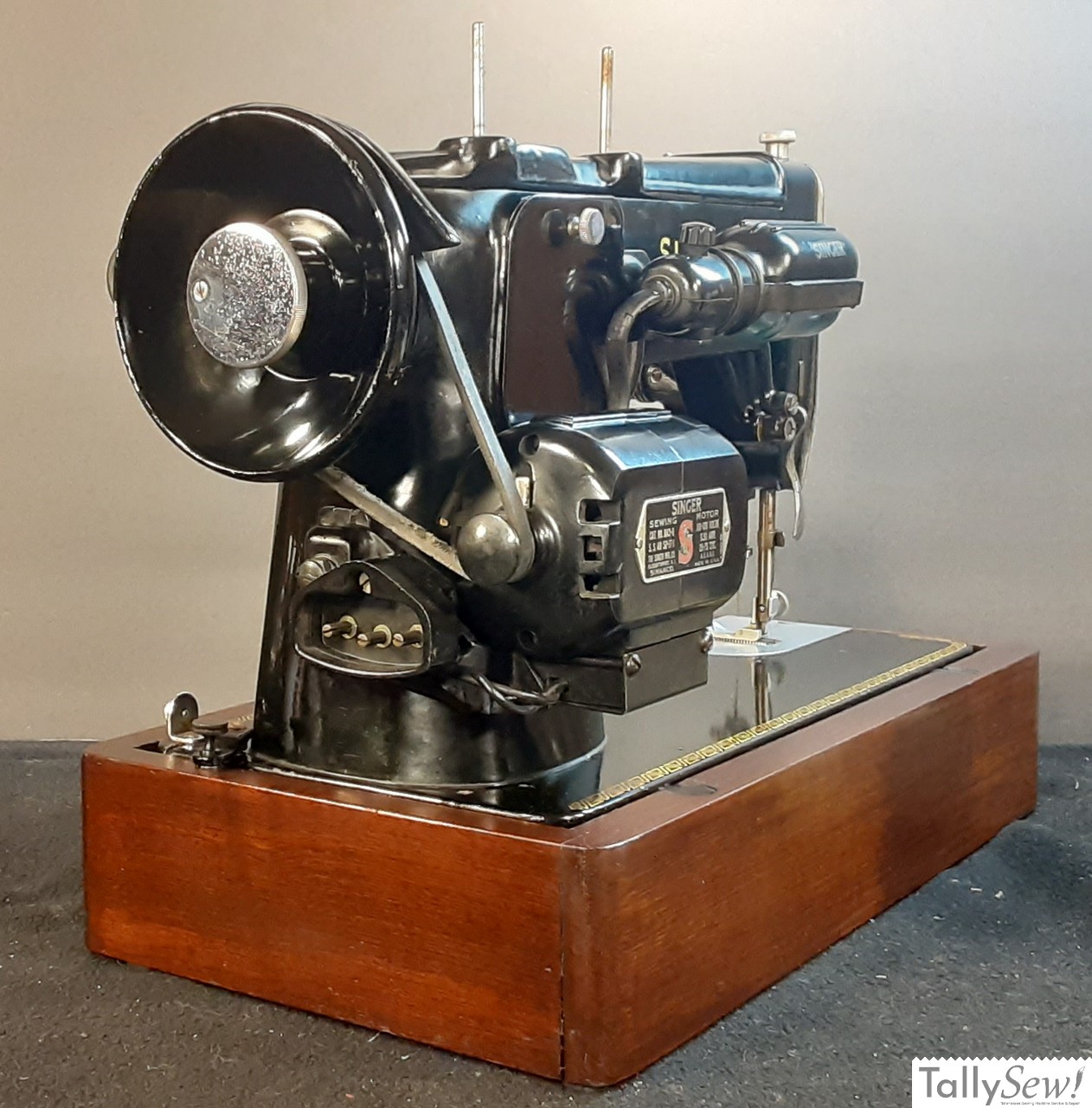
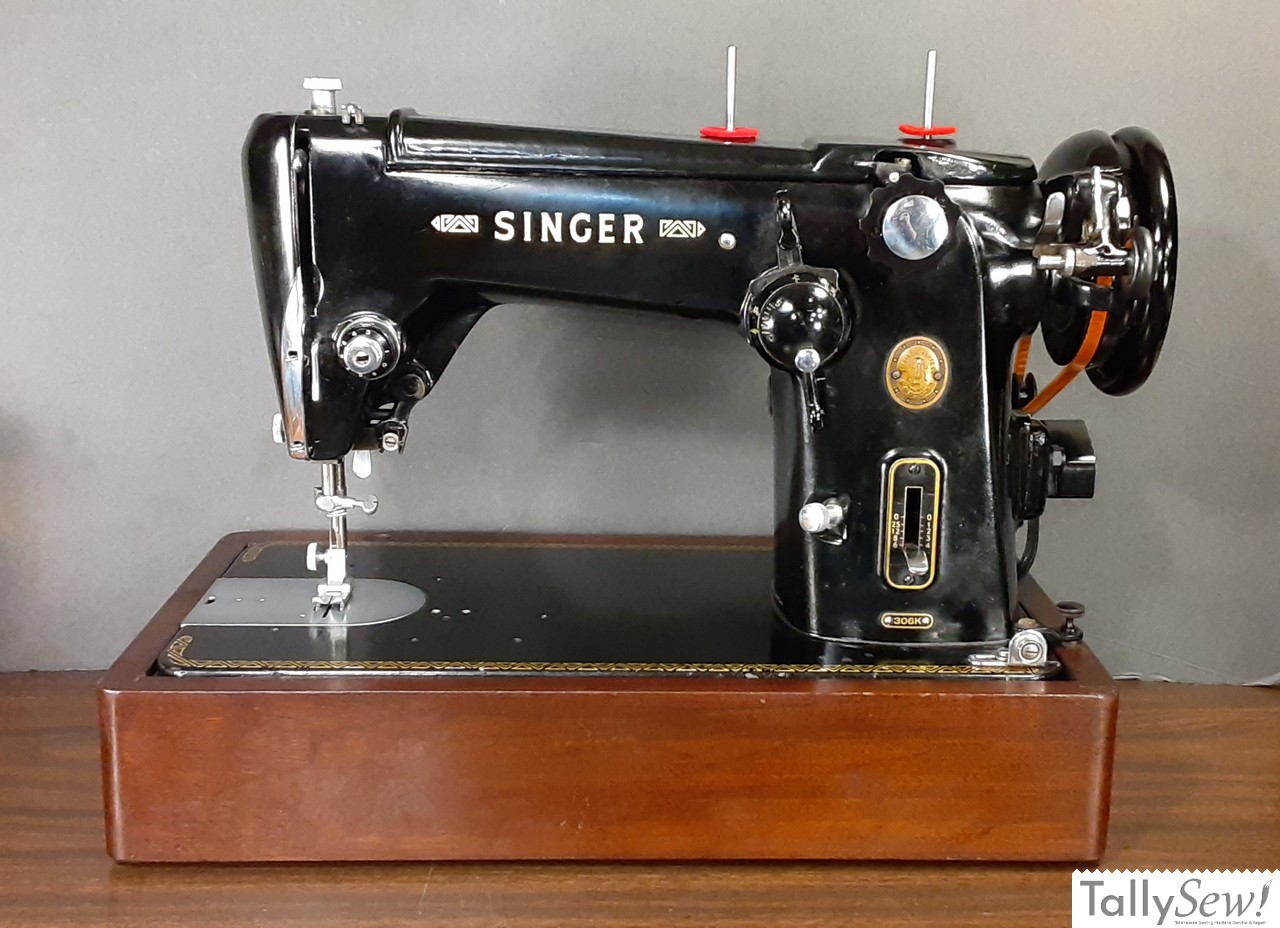
Singer Model 306 Swing-Needle (1954–1962)
The 306 was Singer’s second domestic zig-zag machine. It followed the Singer 206 Swing Needle, which Singer introduced in 1936 as the company’s first household machine with swing-needle capability. The 206 ran from 1936 to 1953, and was succeeded by the 306 in 1953–54.
Production of the 306 ran from 1954 to 1962. It was built in three main factories, identified by the suffix letter:
- 306W – Bridgeport, Connecticut, USA
- 306K – Kilbowie, Scotland
- 306M – Monza, Italy
Mechanically the three are identical; the letter mainly helps collectors date machines and track serial numbers.
What changed from the 206?
- Body material. Early 206s were cast iron; the 306 moved to a lighter cast-aluminum arm and bed.
- Stitch capability. The 206 did straight and plain zig-zag only. The 306 added drop feed dogs for free-motion work and accepts external Fashion Discs (flat cams), six were supplied as standard, giving decorative stitches beyond zig-zag.
Both models share the same needle system (206×13) and the distinctive tilt-back vertical bobbin.
Singer 306W (Bridgeport, Connecticut, United States)
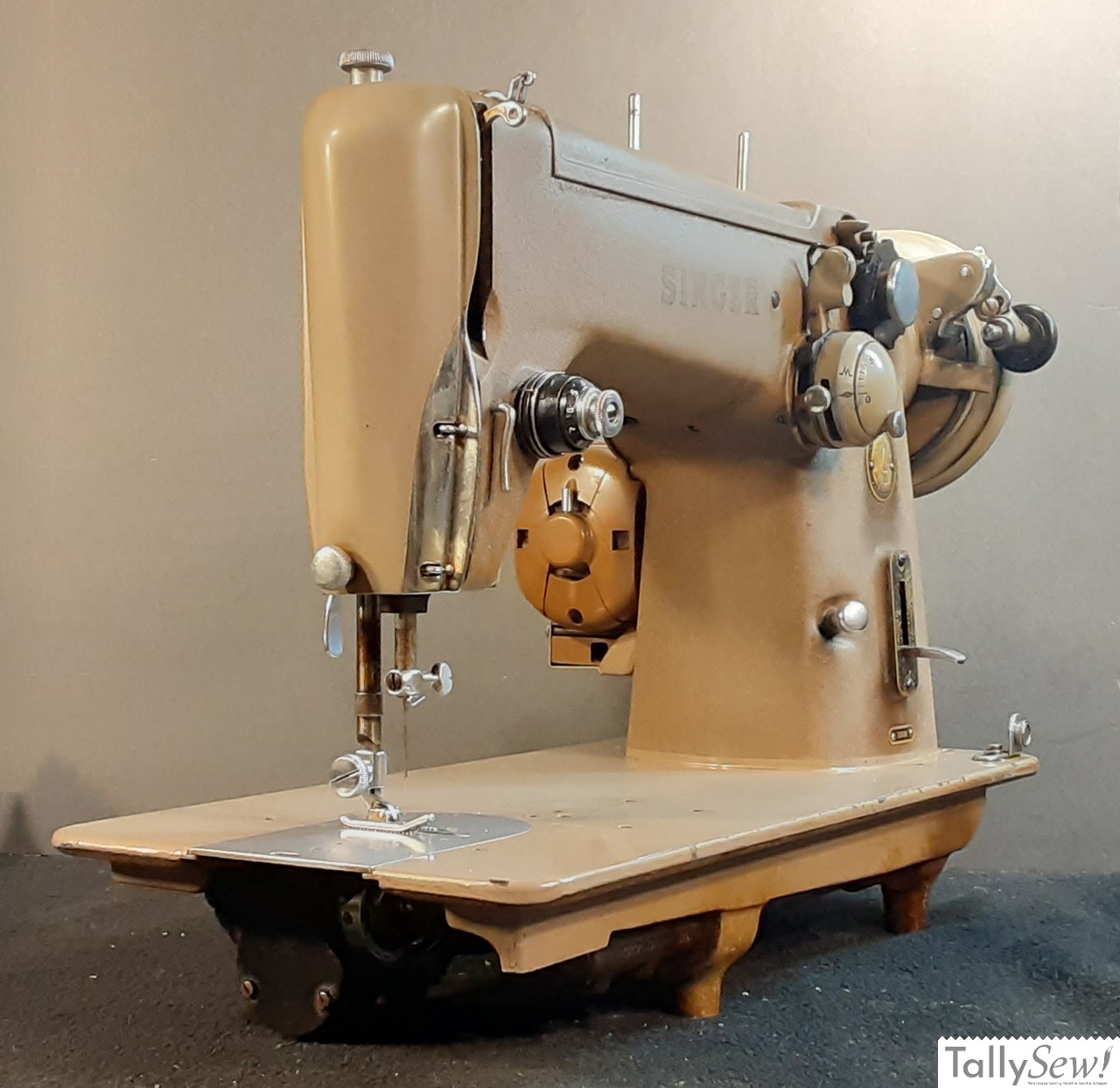
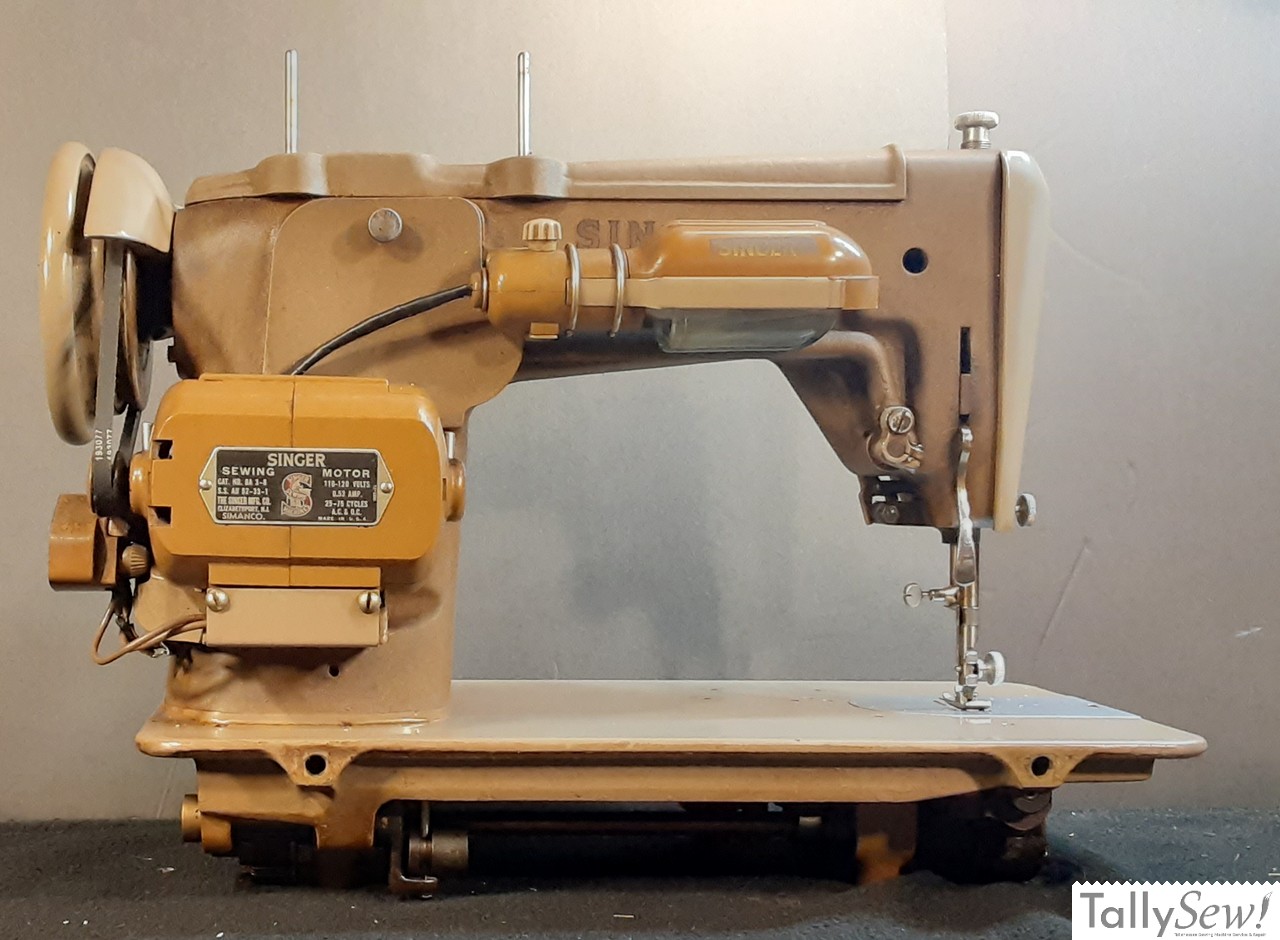
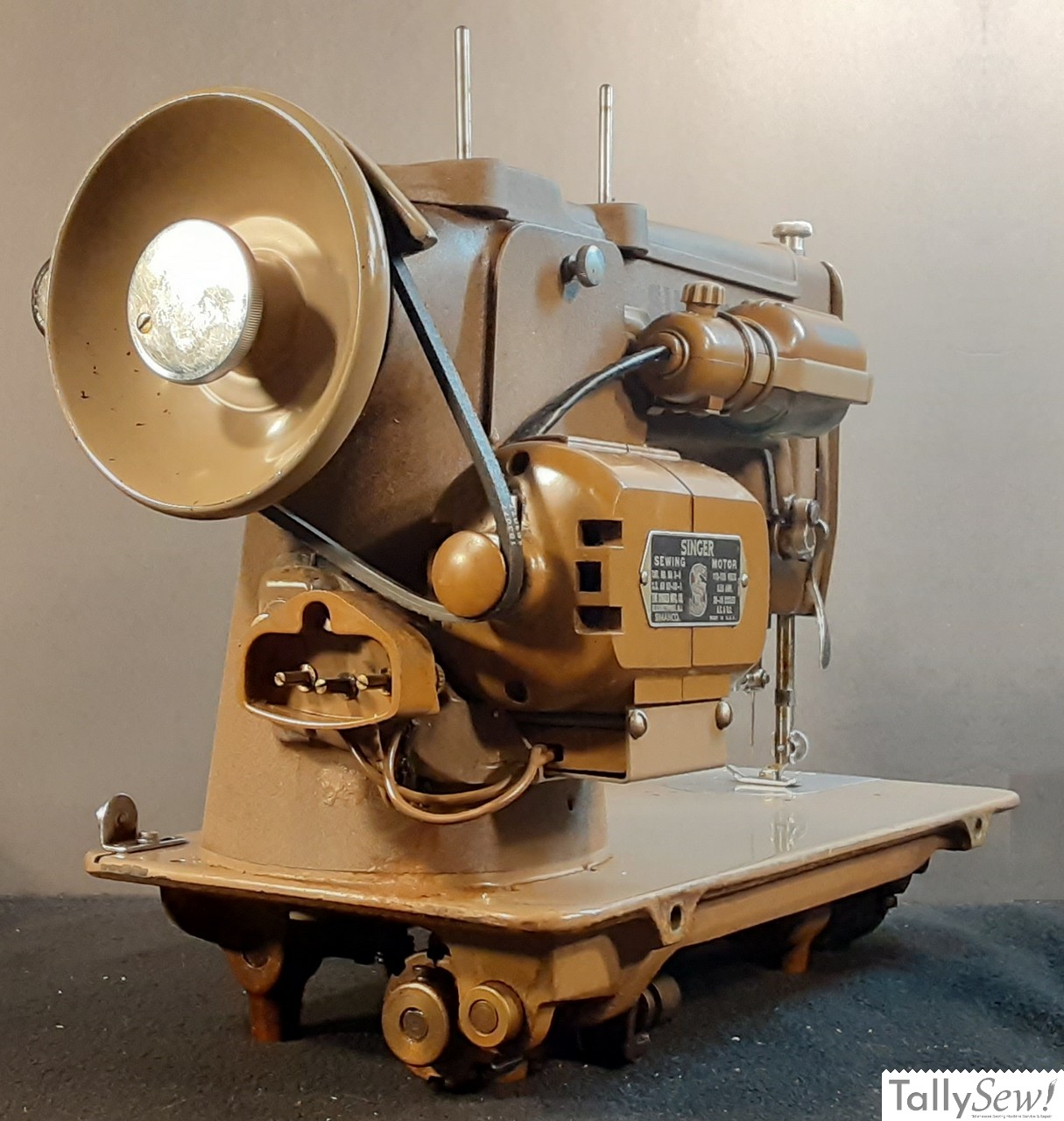
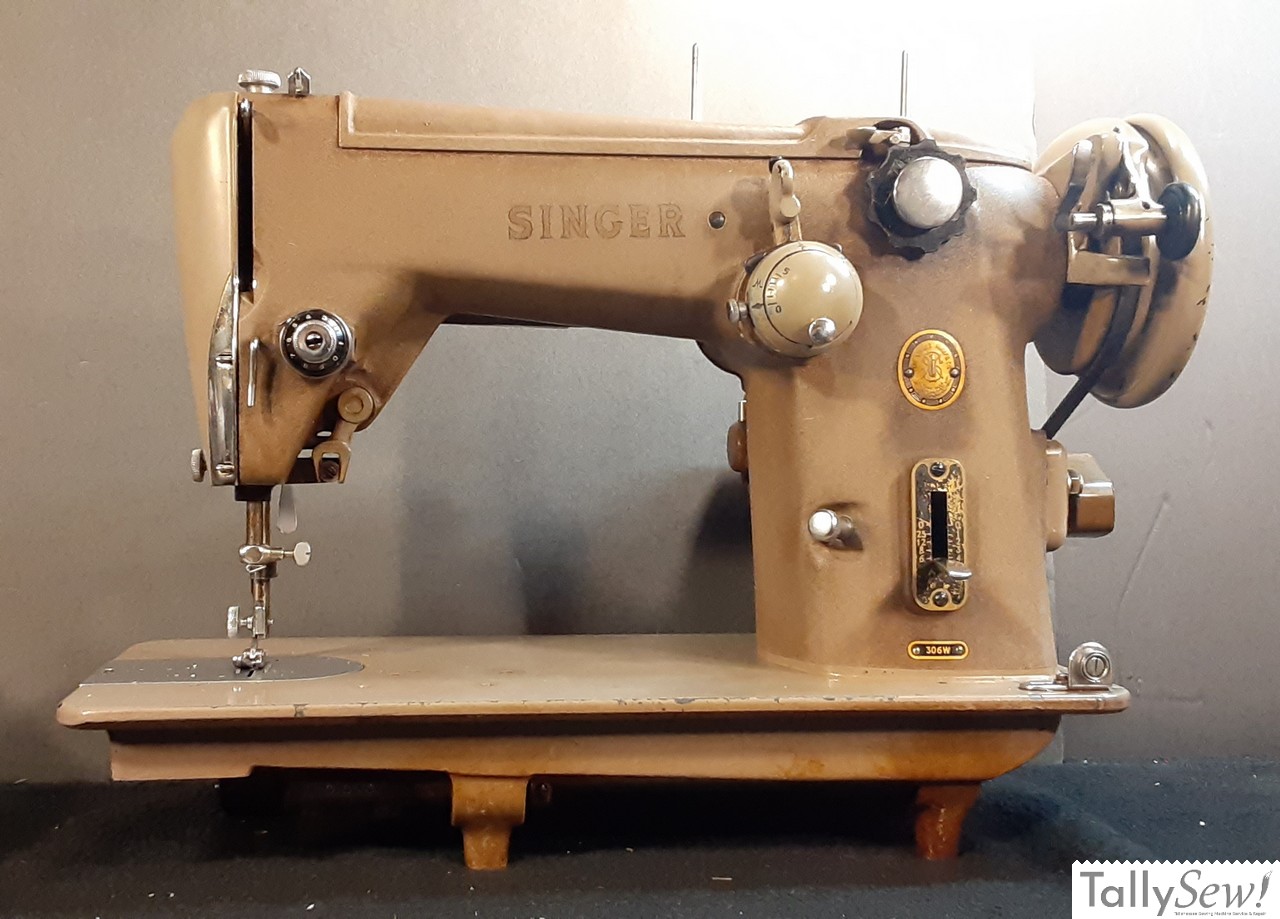
This is my tan 1956 or 1957 Singer 306W Swing Needle manufactured at the former Wheeler & Wilson plant in Bridgeport, Connecticut, United States.
The Bridgeport, Connecticut built 306W Swing-Needle
The Singer 306W is the Bridgeport-built version of the 306 Swing-Needle, produced from around 1954 through 1962. It came out of the old Wheeler & Wilson plant Singer acquired in 1905. Wheeler & Wilson had moved to Bridgeport from Waterbury in 1856, and Singer kept the facility running under the “W” shop code, which is why you’ll see 306W on the pillar and a serial number starting with W followed by six or seven digits. By the 1950s the plant had shifted mostly to industrial work, but it was still producing domestic zig-zags like the 306W alongside the heavier machines.
Mechanically, the 306W is the same machine as the Scottish 306K and the Italian 306M… Aluminum body, vertical tilt-back bobbin, 206×13 needle, and six flat Fashion Discs for decorative stitches. The W just tells you it was assembled in Connecticut, in a complex Singer had expanded to over fifteen acres with about 1,500 workers by 1949. The Bridgeport works closed in 1964, making the 306W one of the last household Singers built in that factory before American domestic production contracted.
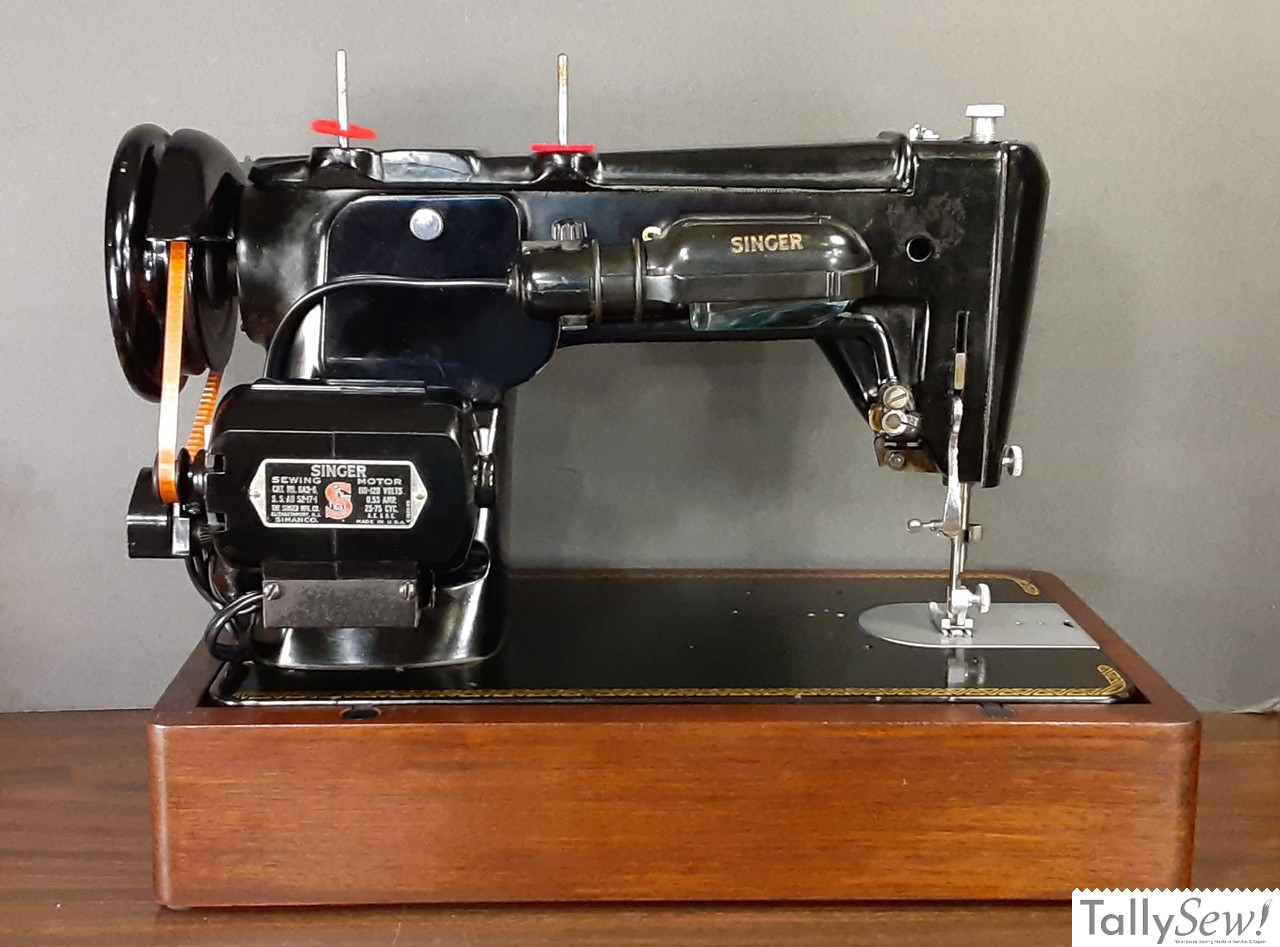
Motor BA3-8
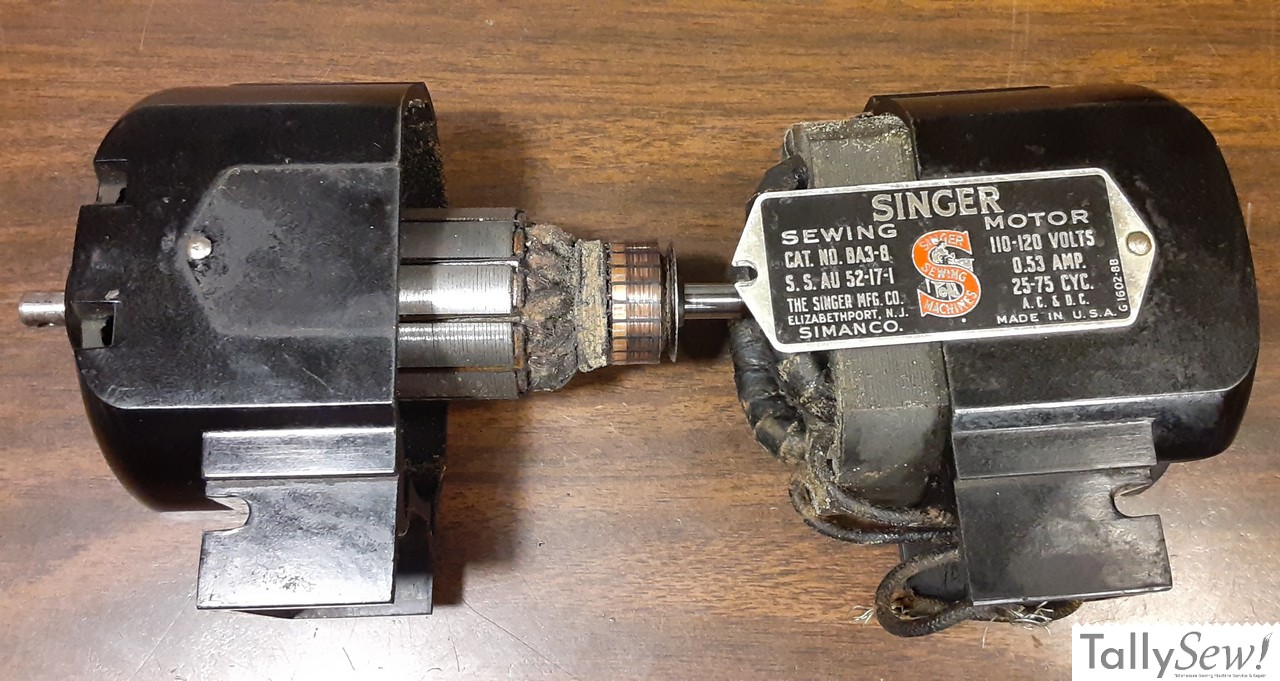
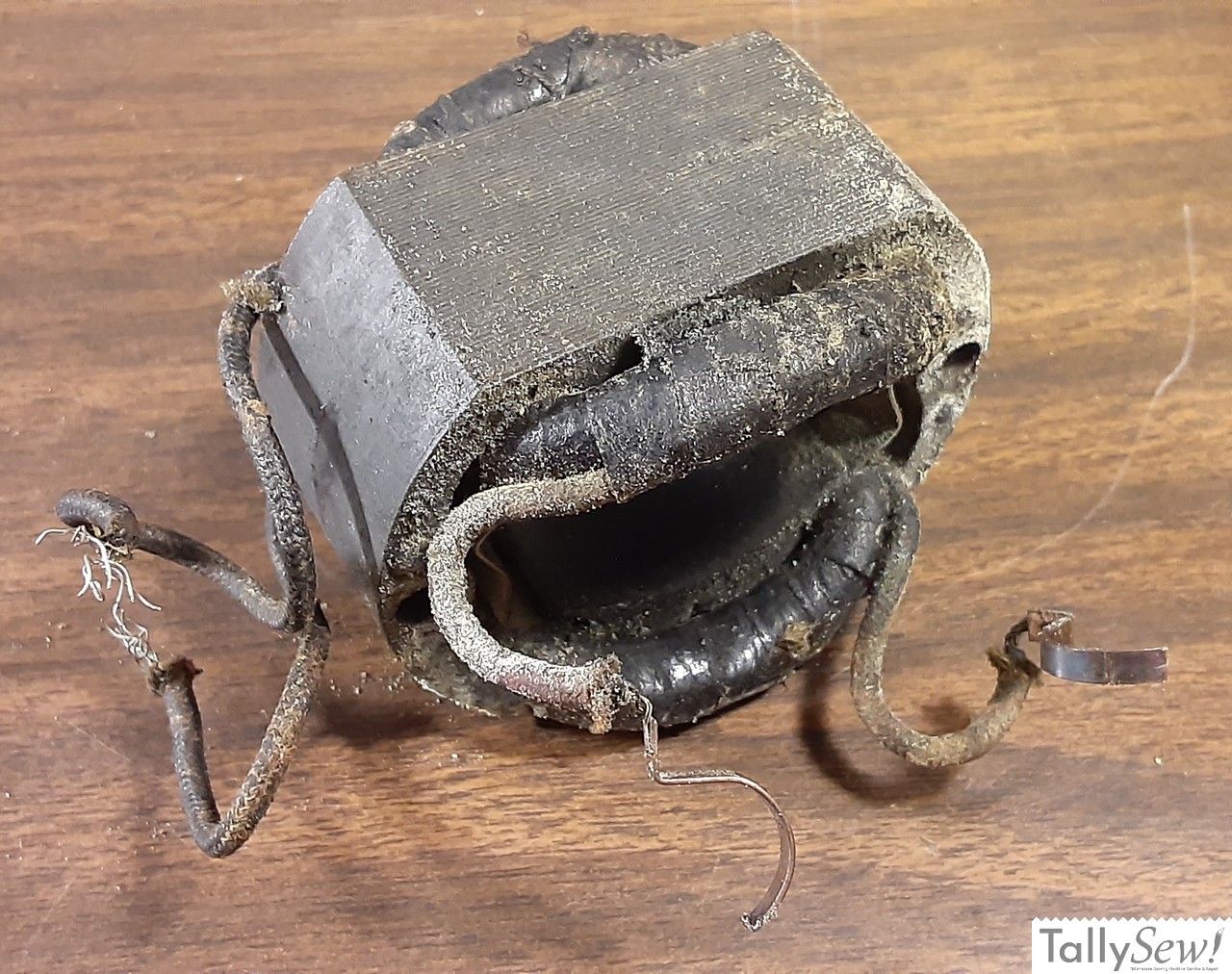
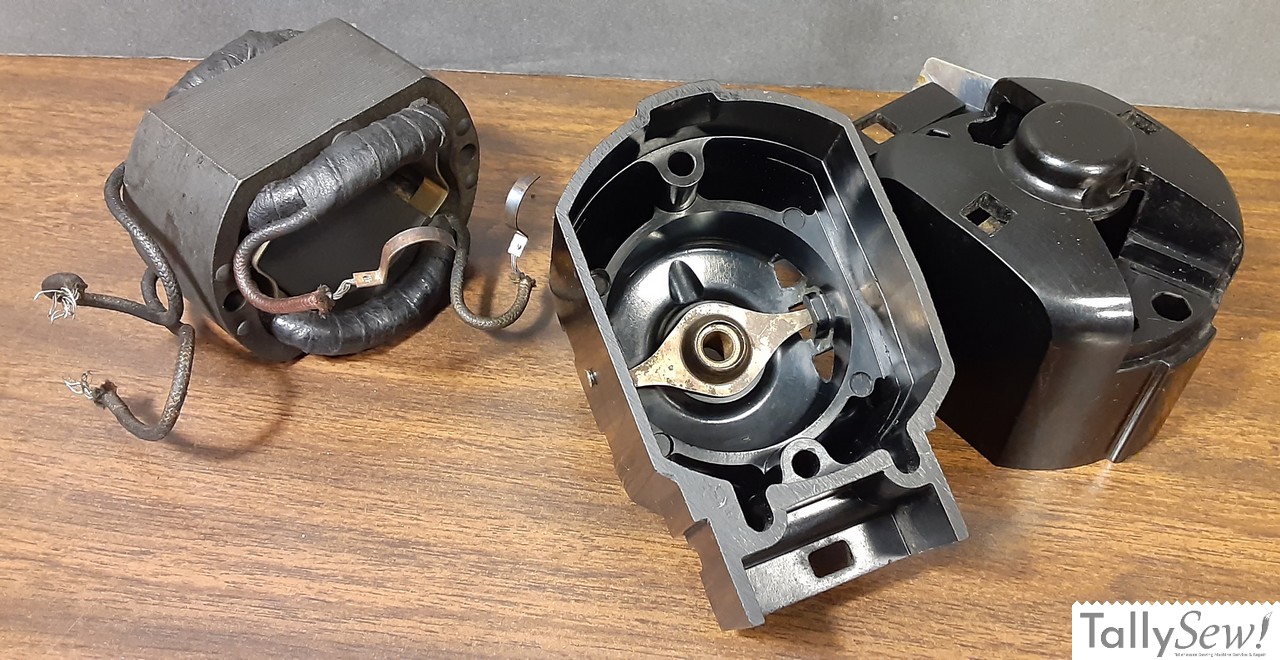
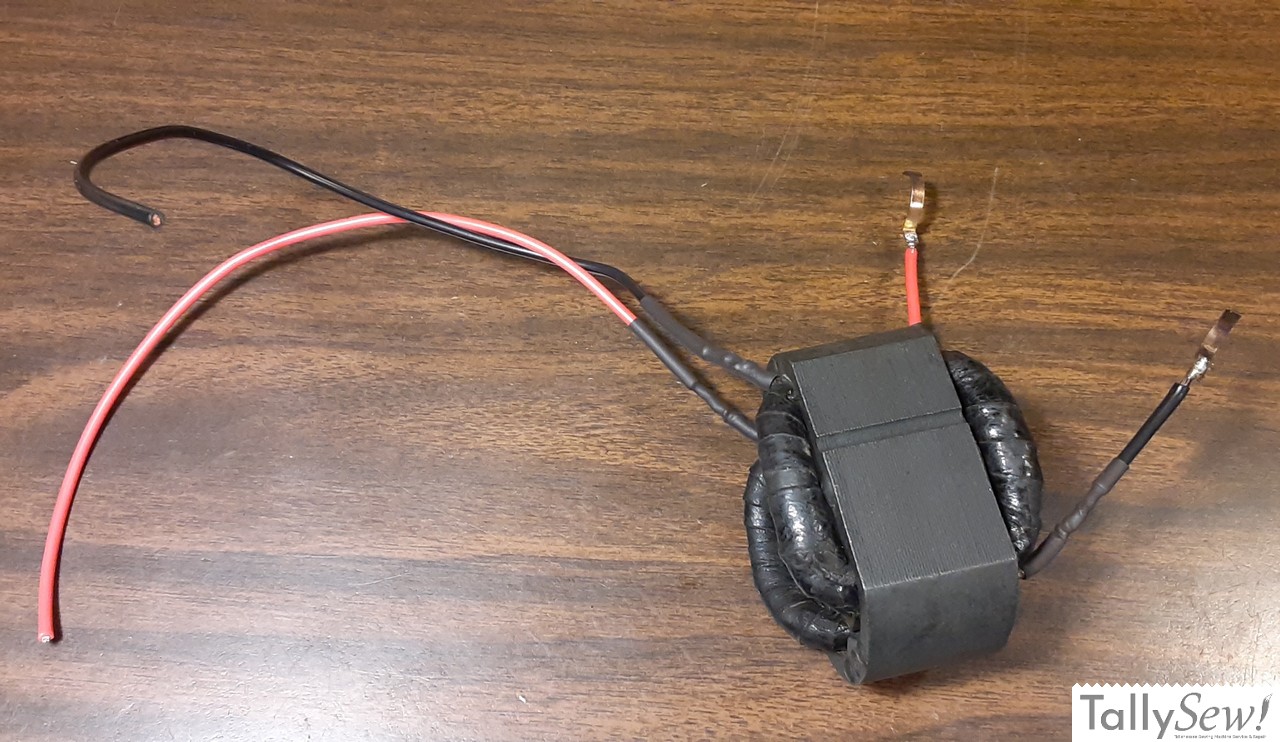
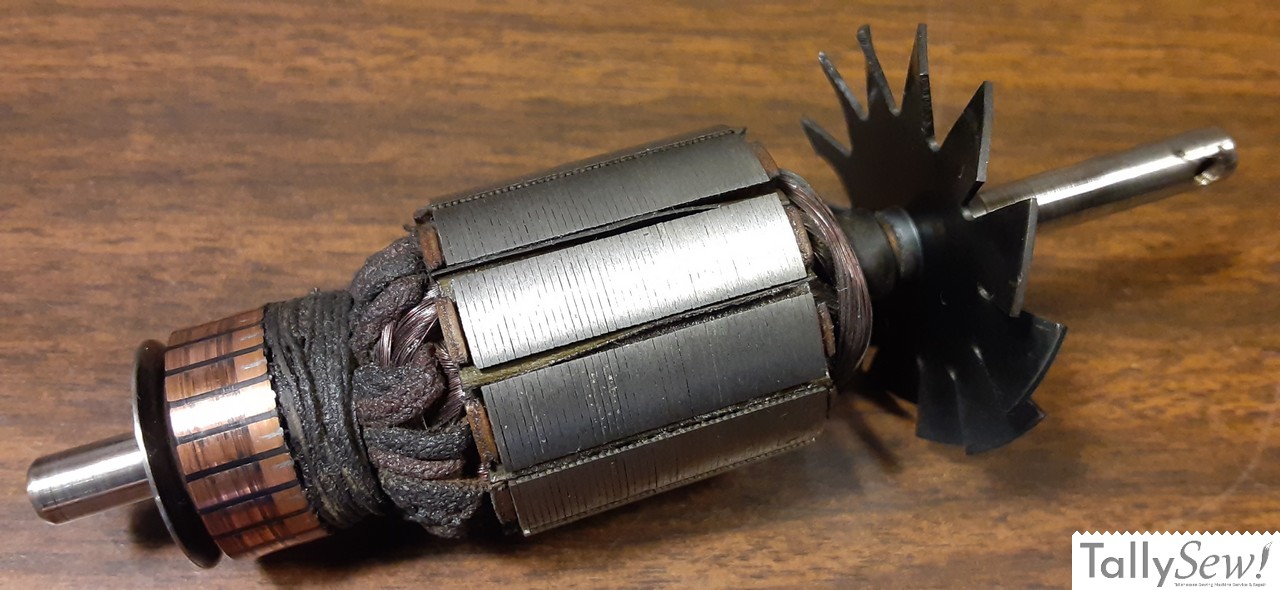
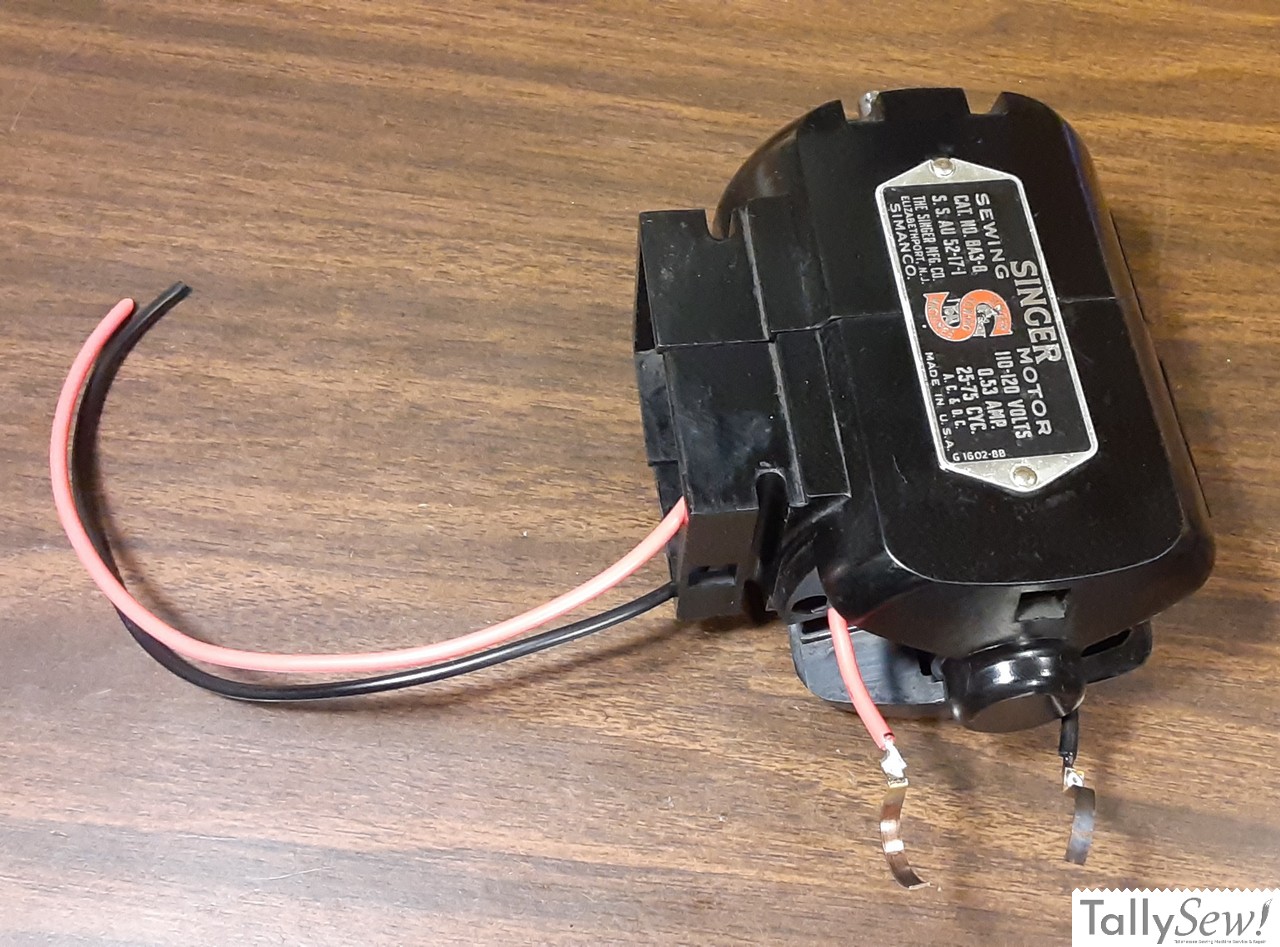
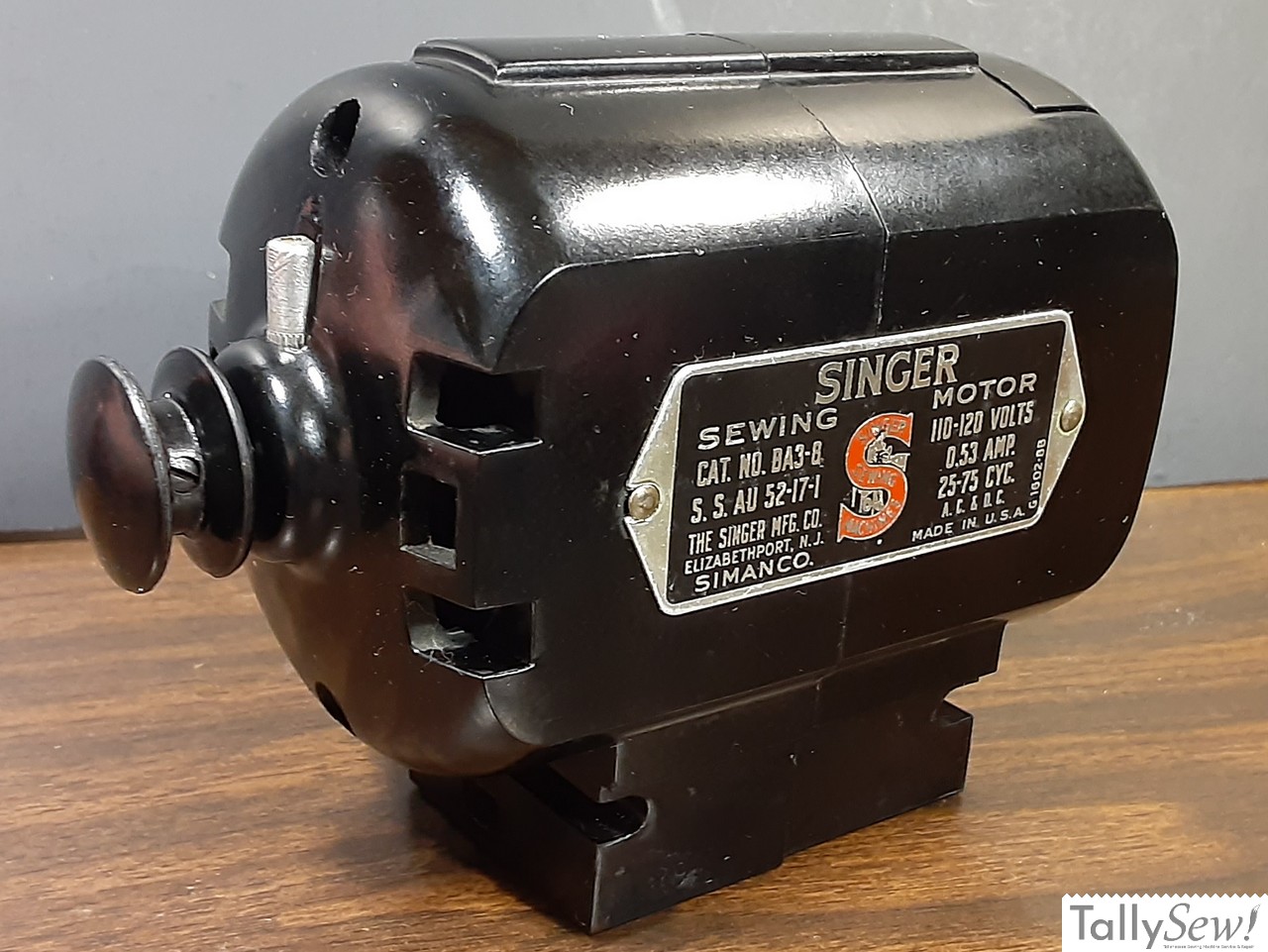
I cleaned and rewired the motor, replaced the grease wicks and grease. Put it back together and tested it for function. The motor sounds and runs better than it did when I started. The BA3-8 is not the smoothest or quietest motor Singer made, but it’s easy to work on and dependable when maintained correctly (this motor had not been maintained well).
New bobbin case and bobbins
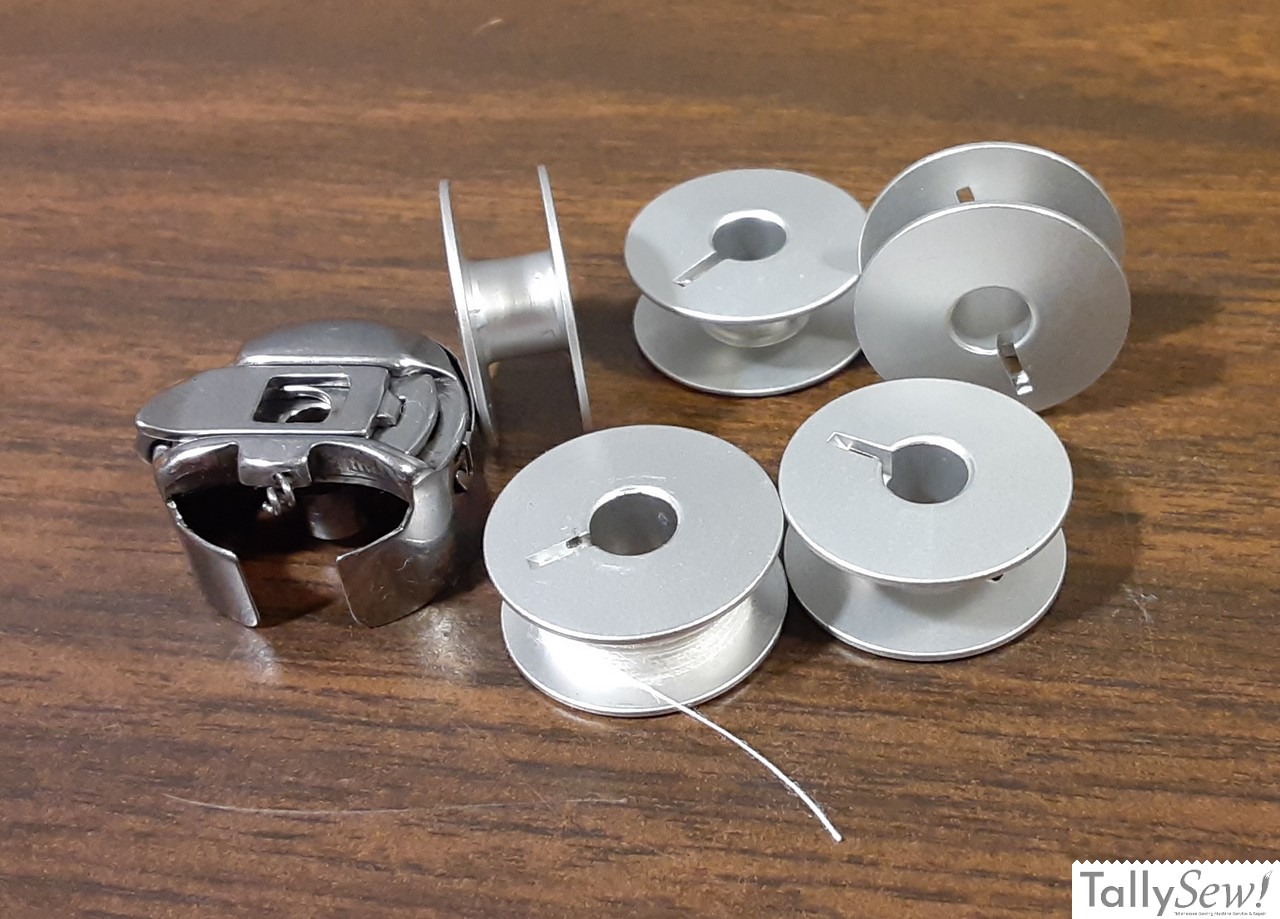
The original bobbin case (part# 105032) for the Singer 306 Swing-Needle machines required the use of 206×13 needles. The 206×13 needles are still being manufactured, but the selection is limited. This machine didn’t include a bobbin case or bobbins so I ordered a replacement bobbin case (part# BC-DBZ(3)-NBL6). The new bobbin case is based on the bobbin case used in the Singer 20U light industrial sewing machine, and allows the use of the core common household 15×1 sewing machine needles.
The 306 uses standard class “L” bobbins. The ones I purchased are a cast aluminum. They look good, but the center hole is too tight to fit on the bobbin winder post without using far more force than I’m comfortable using on this machine. I will probably open the hole up a little to make them more usable, but that really isn’t something you should need to do on a new part.
Please Note: The bobbin cases for early Singer 306 Swing-Needle machines are not interchangeable with the bobbin cases for the Singer 319 Swing-Needle machines. There are alignment pins in the hook carrier that are located in different positions for the two machines making them incompatible. It’s my understanding (though I have not seen it in person), that the later 306 machines use the same bobbin case as the 319.
Motor and lamp test
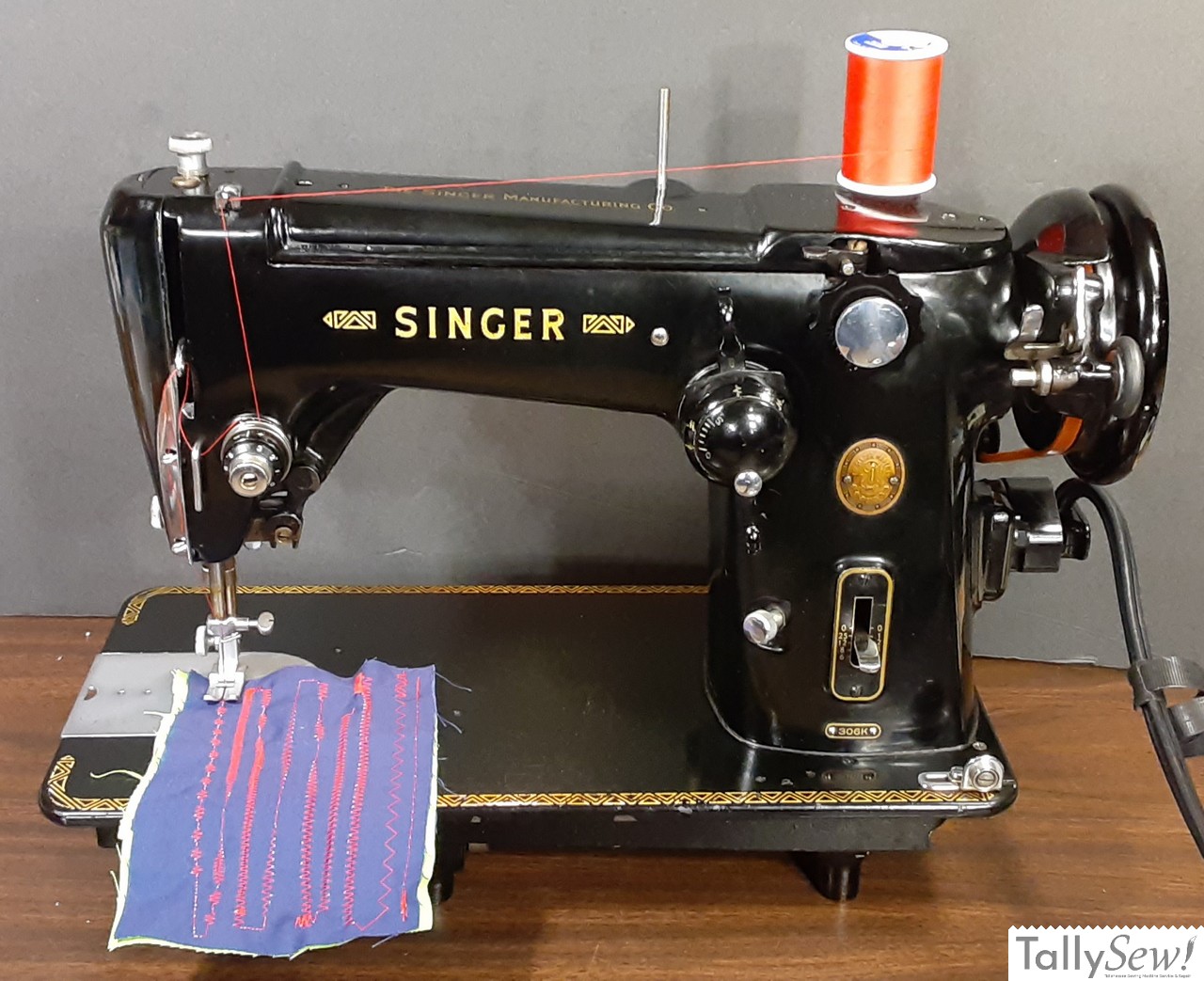
The motor and lamp have been tested and are safe for use. I’ll finish up the cleaning and make a few adjustments before it goes back to the person who loaned it to me. I do have a model 306 Swing-Needle of my own, and you can expect an in depth article covering this 306K and my 306W in the near future.
Related Articles

Singer CAT.-S4 lamp
The Singer lamp model CAT.S-4 was used on several Singer sewing machine models. It was usually black, but was also produced in green, and in
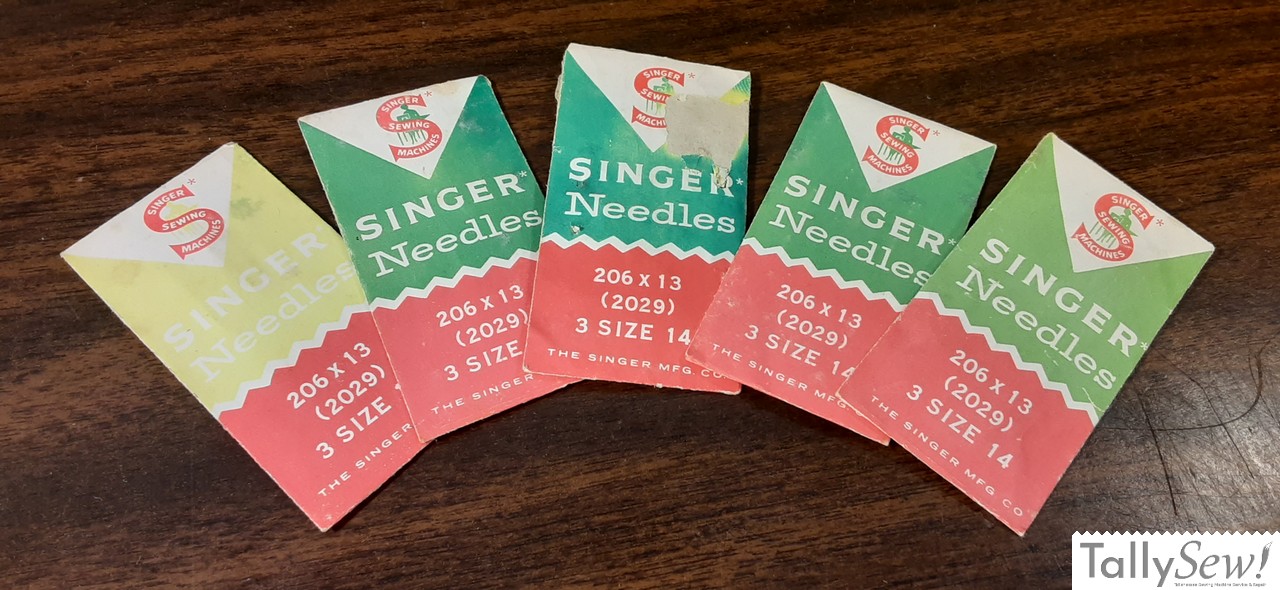
Singer 206X13 sewing machine needles
Some examples of Singer system 206X13 sewing machine needle packaging for the Singer 206, 306, 319, and 320 Swing Needle Sewing Machines
Specifications
| Brand | Singer |
| Model | 306 Swing-Needle |
| Manufactured By | Singer |
| Made In | 306K – Kilbowie, Clydebank, Scotland 306W – Bridgeport, Connecticut, United States 306M – Monza, Italy |
| Years Produced | 1954 – 1961 |
| Hook Type | Full rotary |
| Bobbin | Class “L” (Singer #55623) |
| Bobbin Case | Part# 105032 |
| Needle System | 206×13 |
| Foot Type | Low shank |
| Construction | Cast Aluminum |
| Construction Drivetrain | All metal |