Singer 101
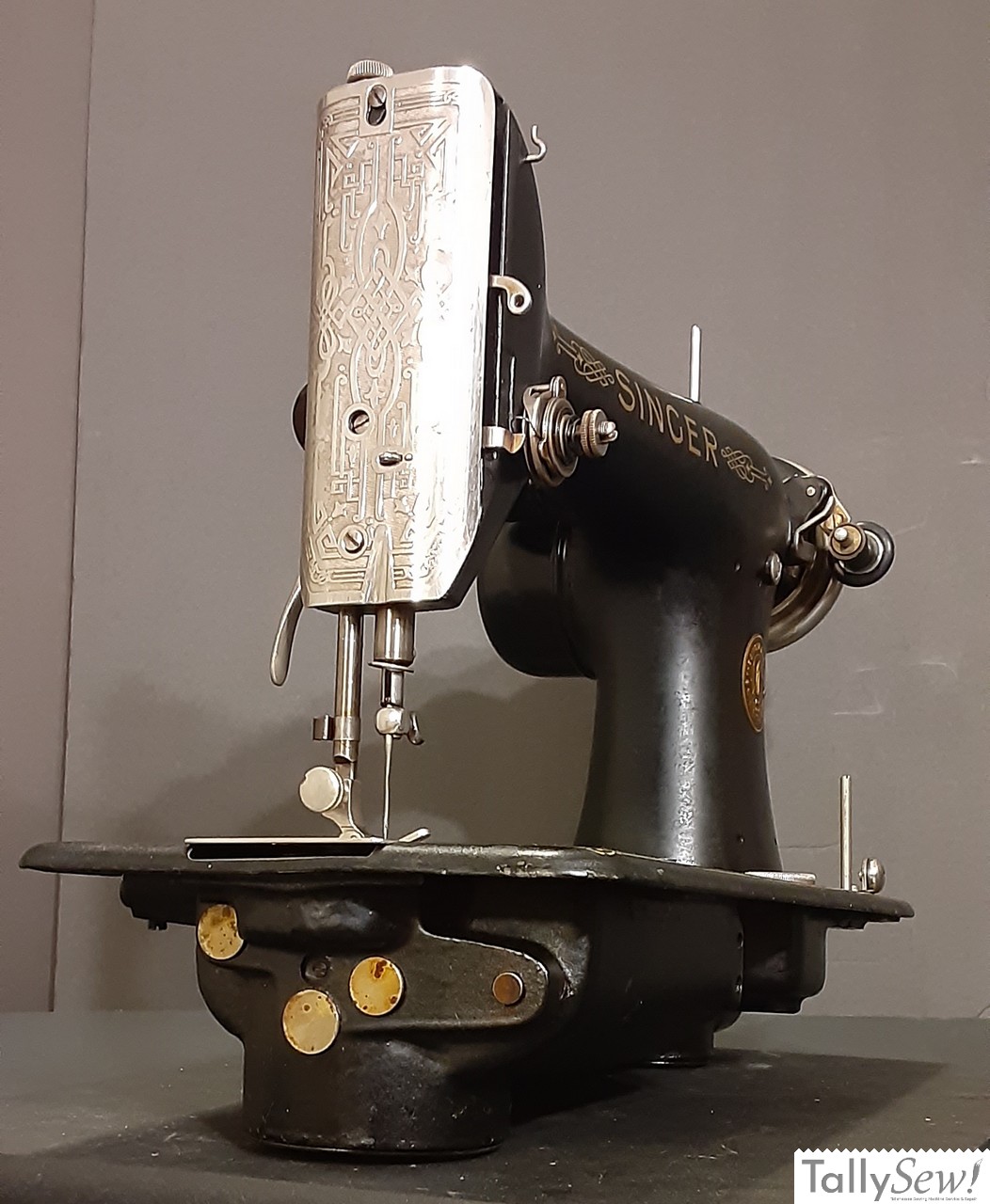
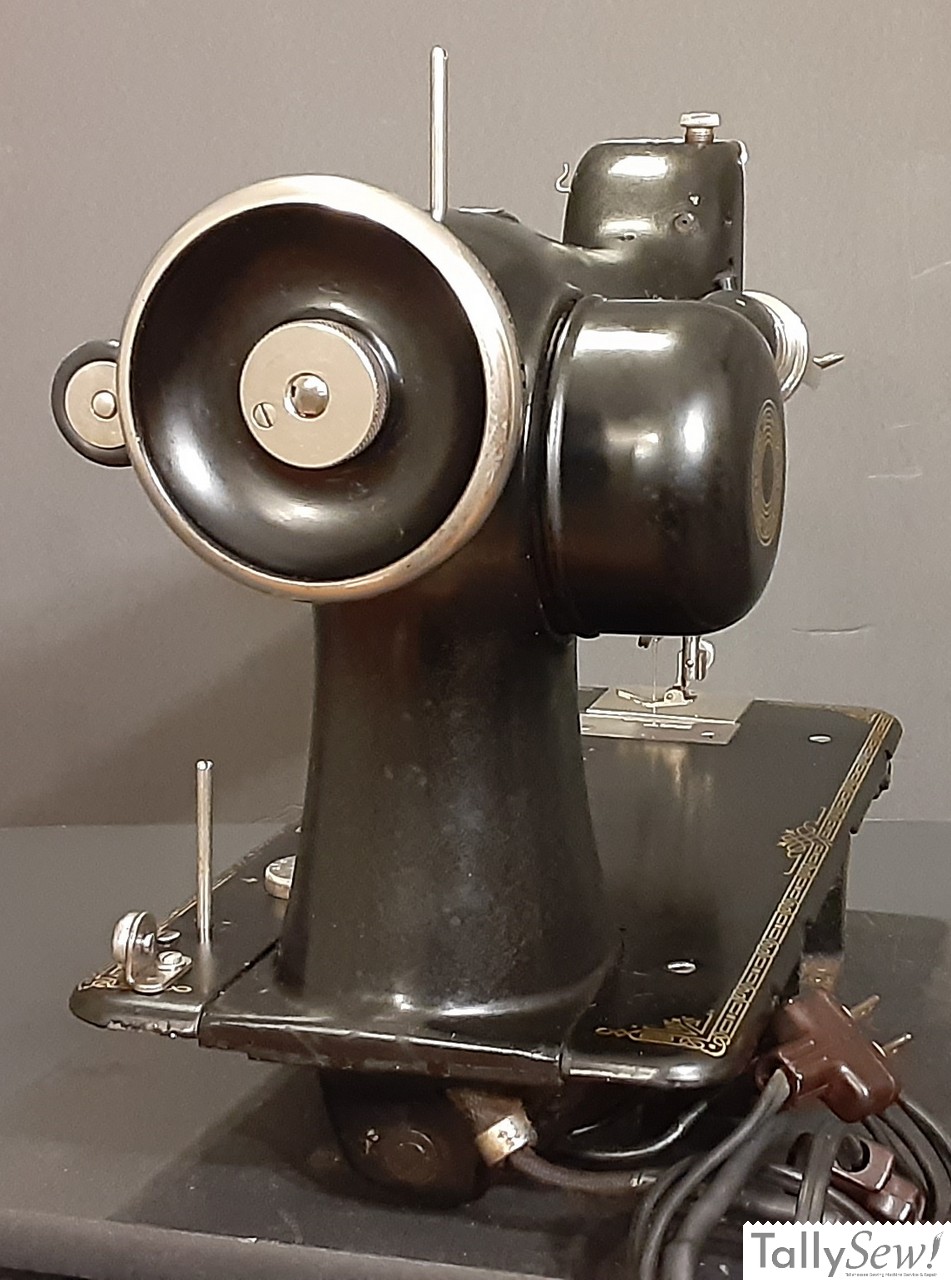
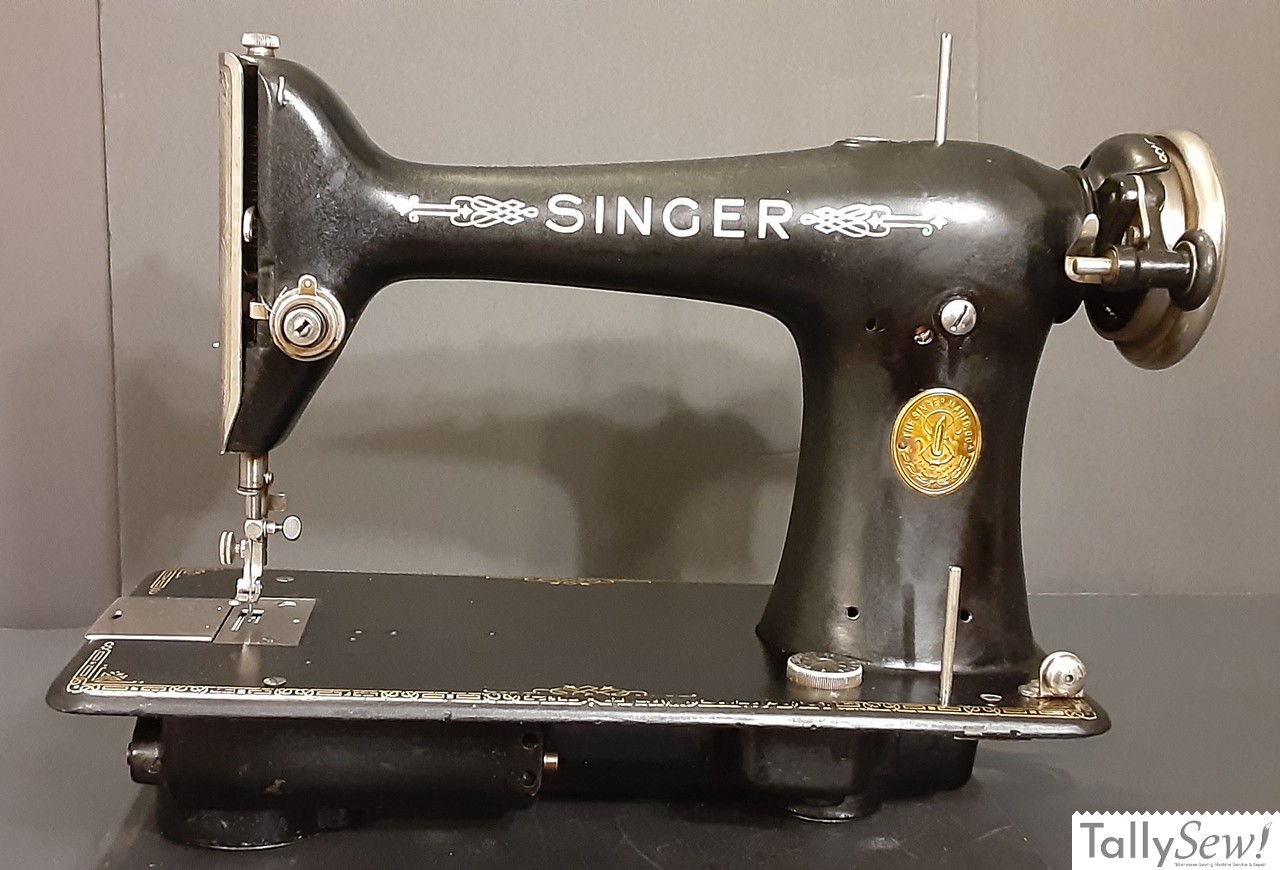
Produced from 1920 to 1932, the Singer Model 101 was Singer’s first domestic sewing machine specifically designed to be electric only. Before the model 101, Singer household machines like the model 127 and 66 had been sold as treadle or hand crank machines, then converted by adding an external motor. The 101 was never produced as in a way that was readily adaptable to treadle or hand crank, it was electric or nothing.
The Singer 101 used a distinctive rotary dial on the bedplate to adjust the straight stitch length. The 101 lacks a reverse stitch capability.
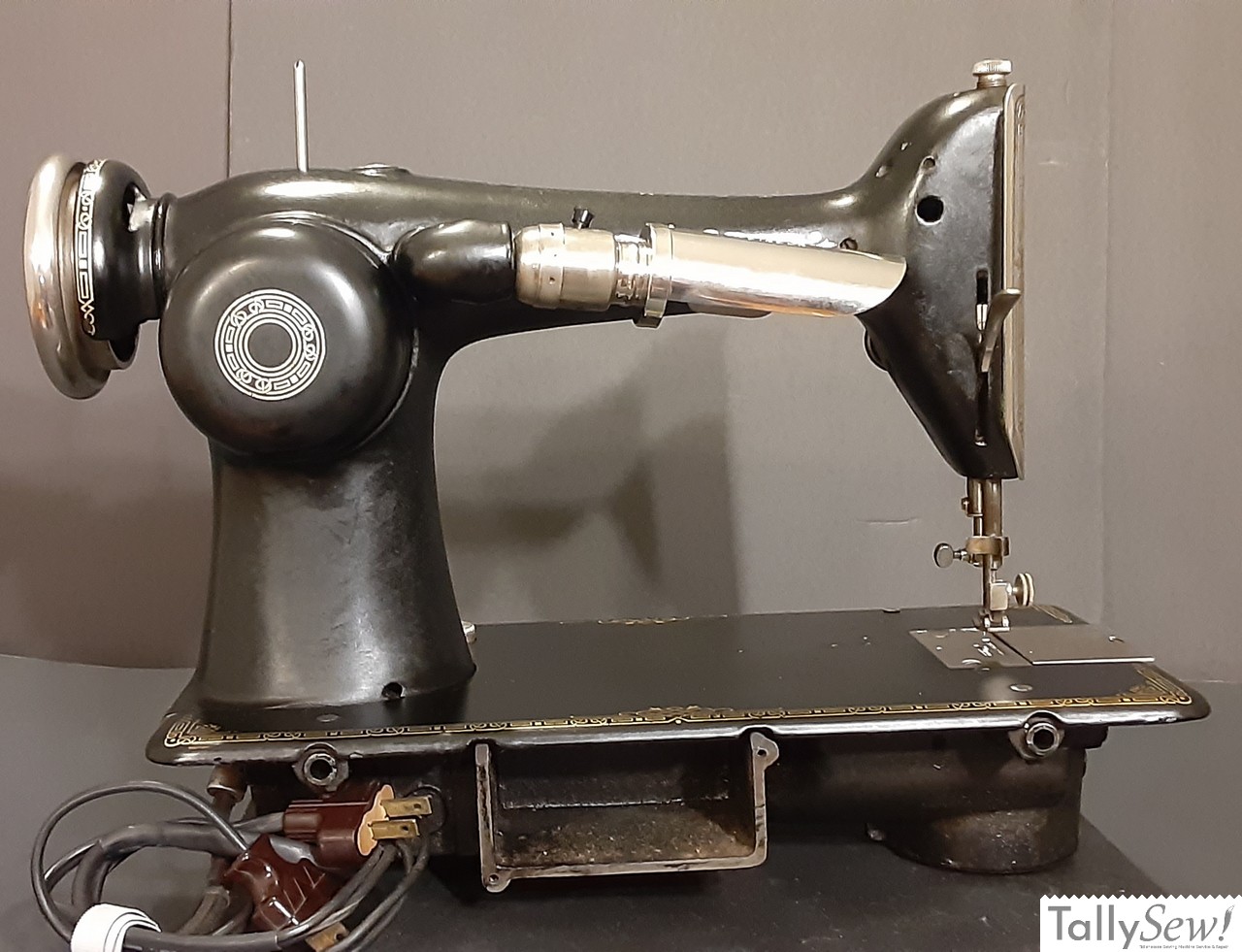
The 101 was produced in both the more common cast iron version like the 101-4 above, and the 101-12 in cast aluminum (not shown). The cast iron machines were usually sold in cabinets, and the cast aluminum models were often sold in the more portable bentwood case.
Potted Motor
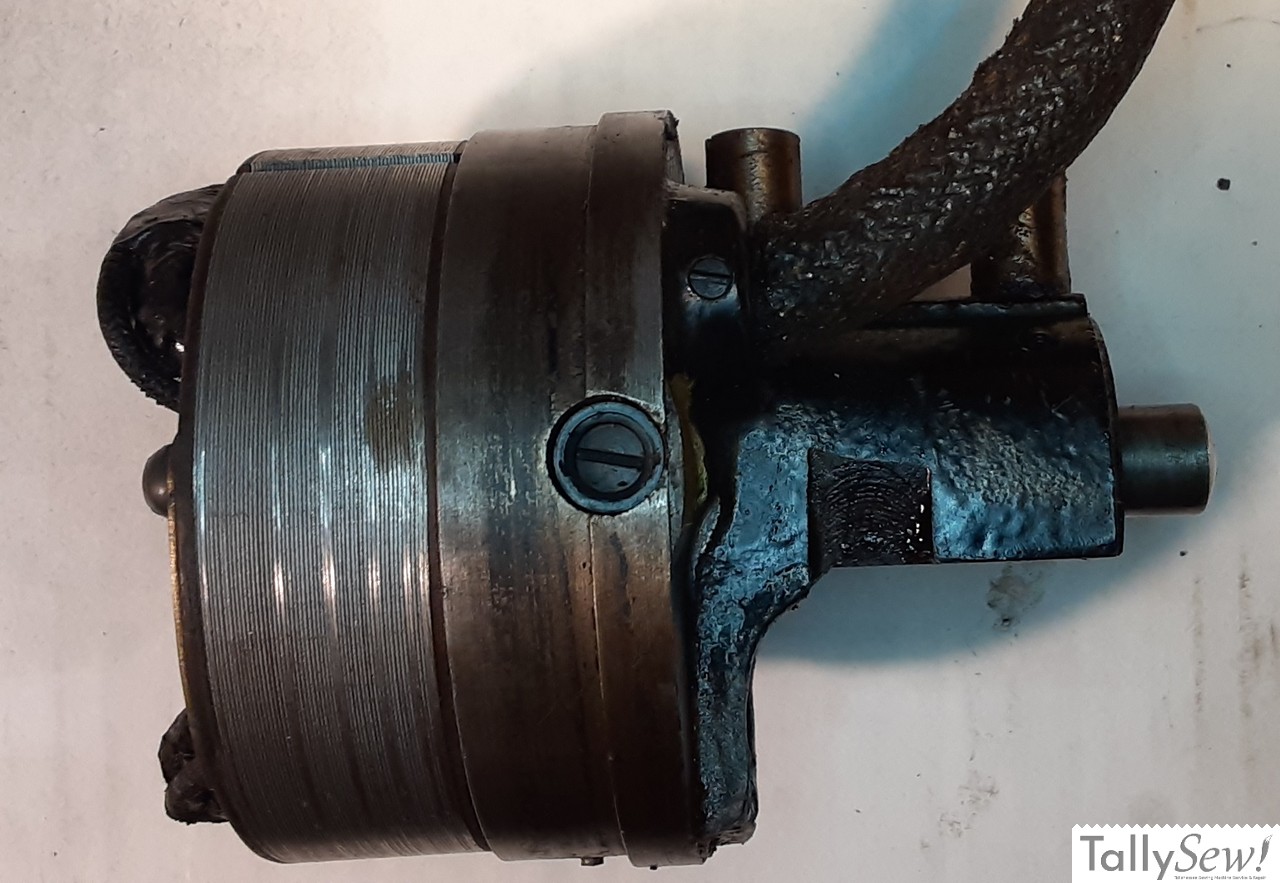
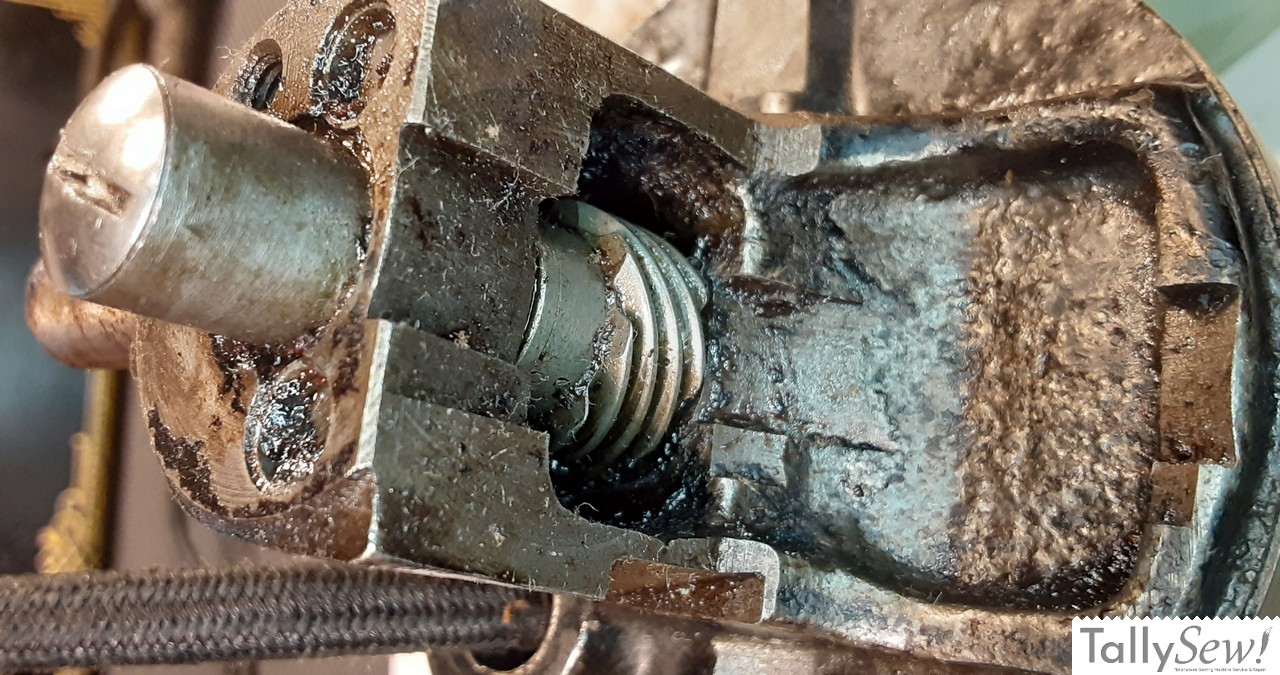
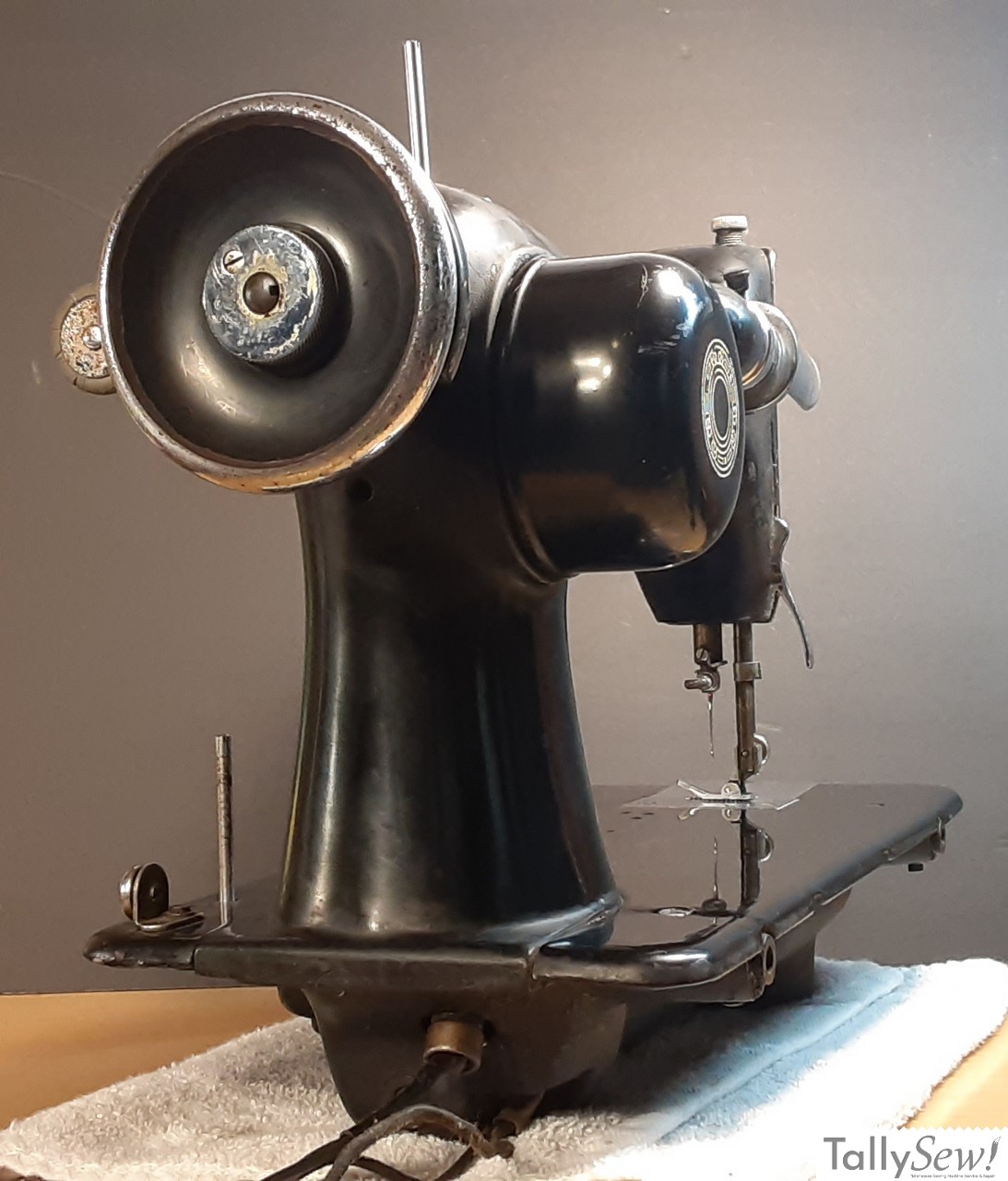
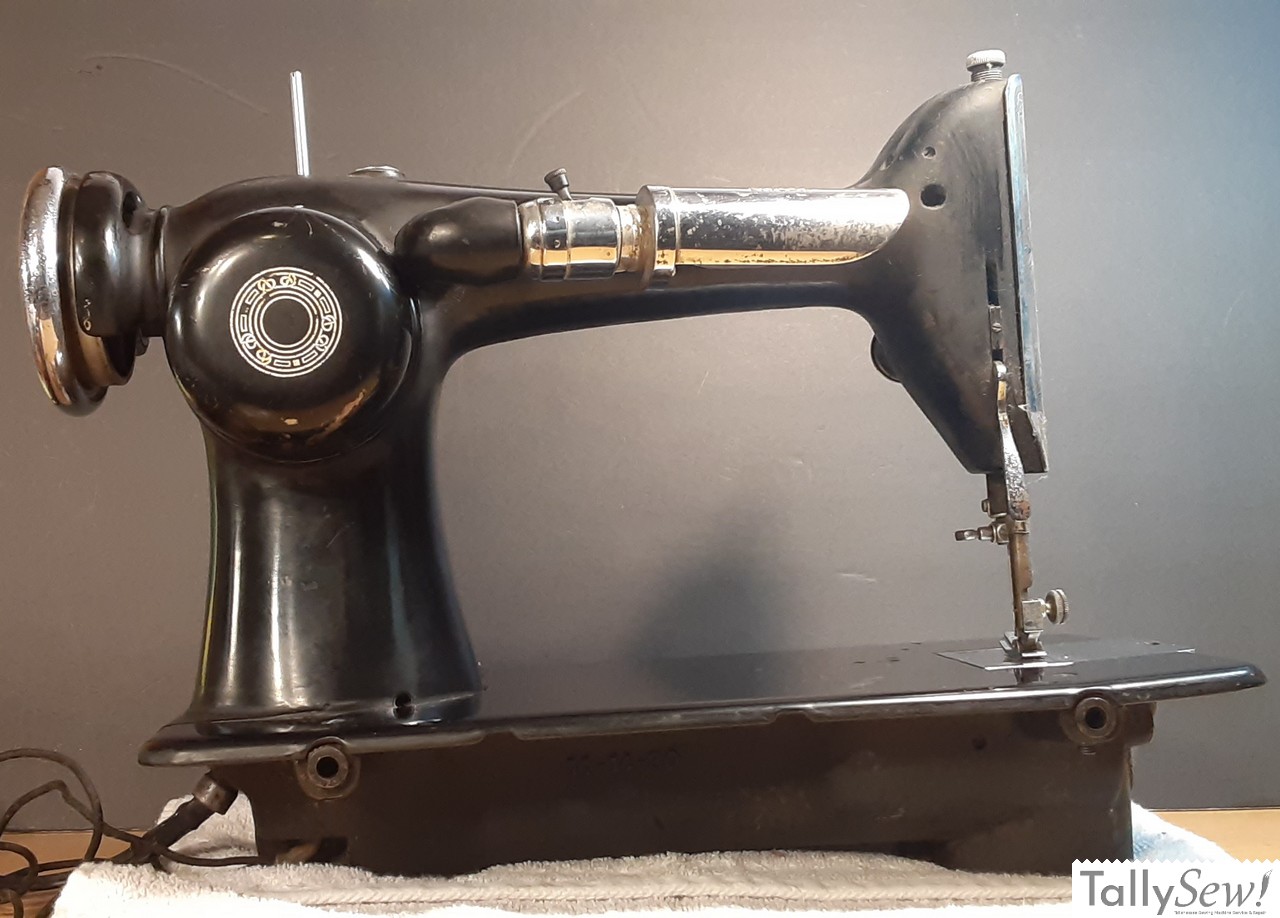
The Singer 101 was the first household Singer sewing machine to use the fully gear driven and enclosed potted motor design that did away with the external belts used on most other machines of the day. The tern “Potted Motor” refers to the pot shaped cover that sticks out the back of the machine. The potted motor on the 101 is unique to the model, unlike the potted motors found on the later machines that are (usually) similar enough that they will work on other models. For example, the motor found on a Singer 201-2 will work on a Singer 15-91, with the bobbin winder assembly being the only real difference.
Full rotary hook
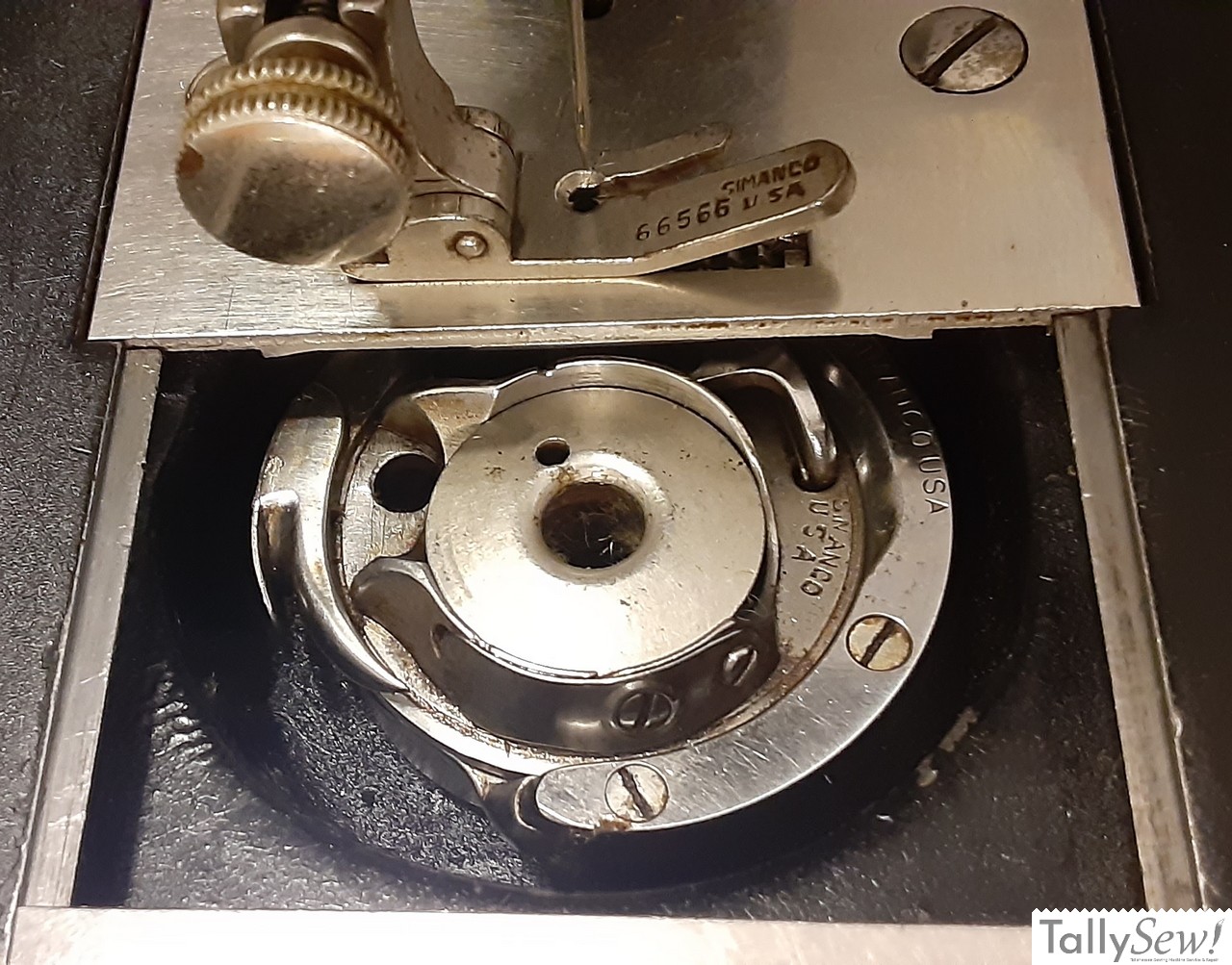
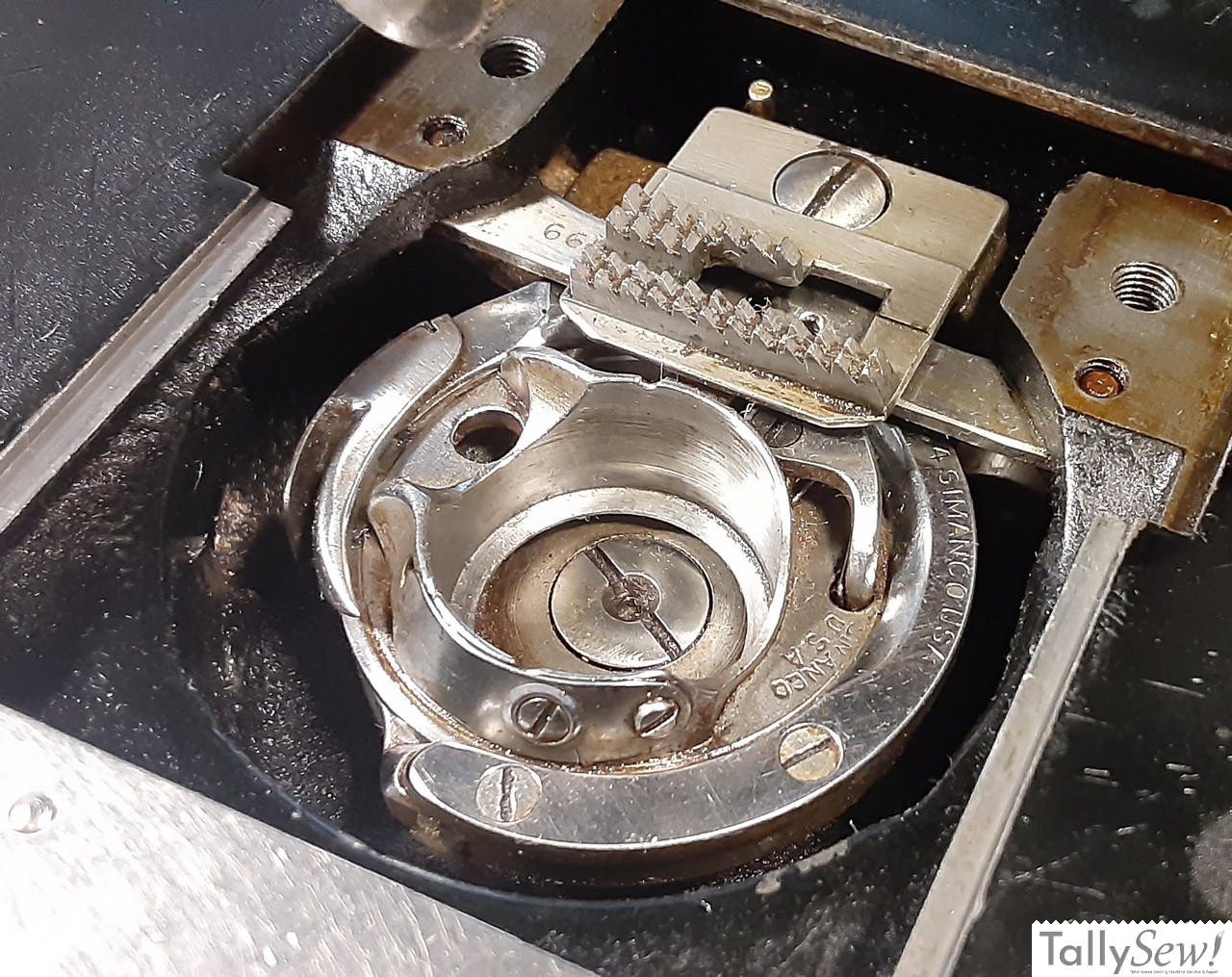
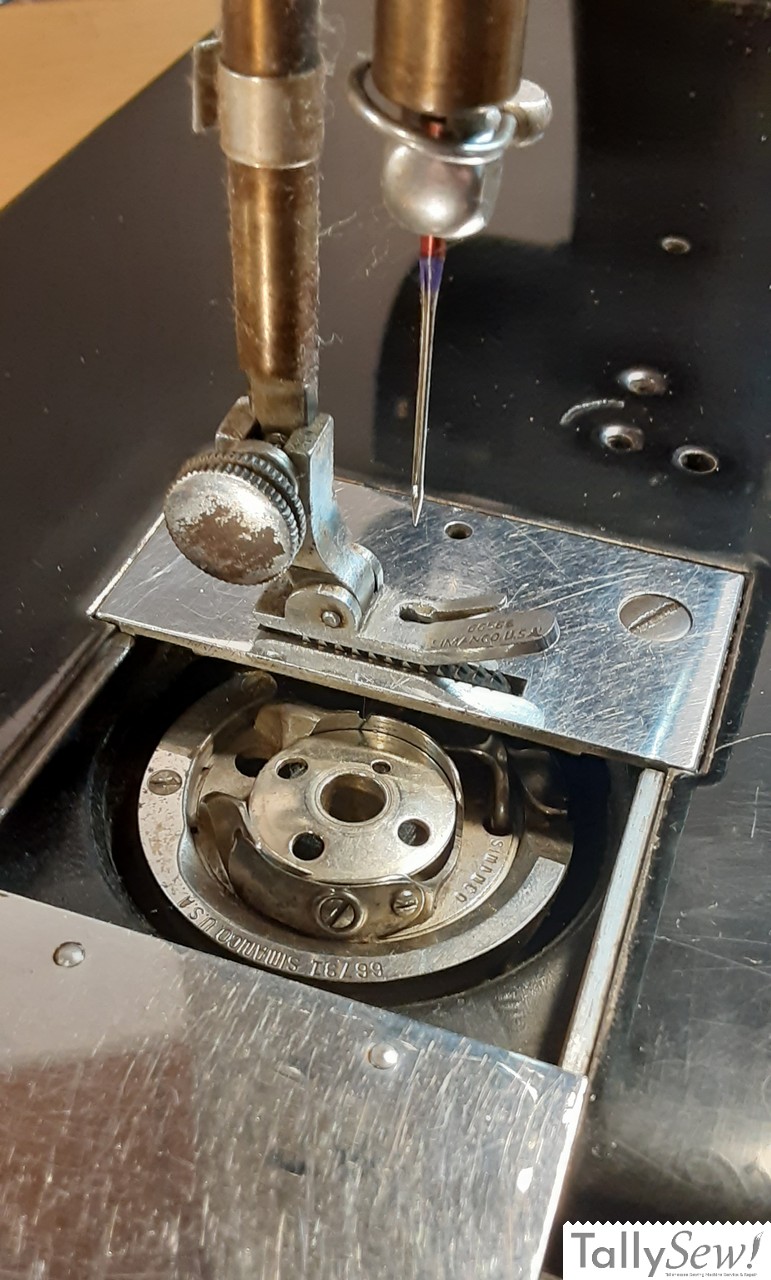
The model 101 also featured the introduction of the horizontal full rotary hook mechanism to Singer’s domestic line.
The 101 did adopt the class 66 bobbin from the earlier Singer model 66.
Complicated and expensive
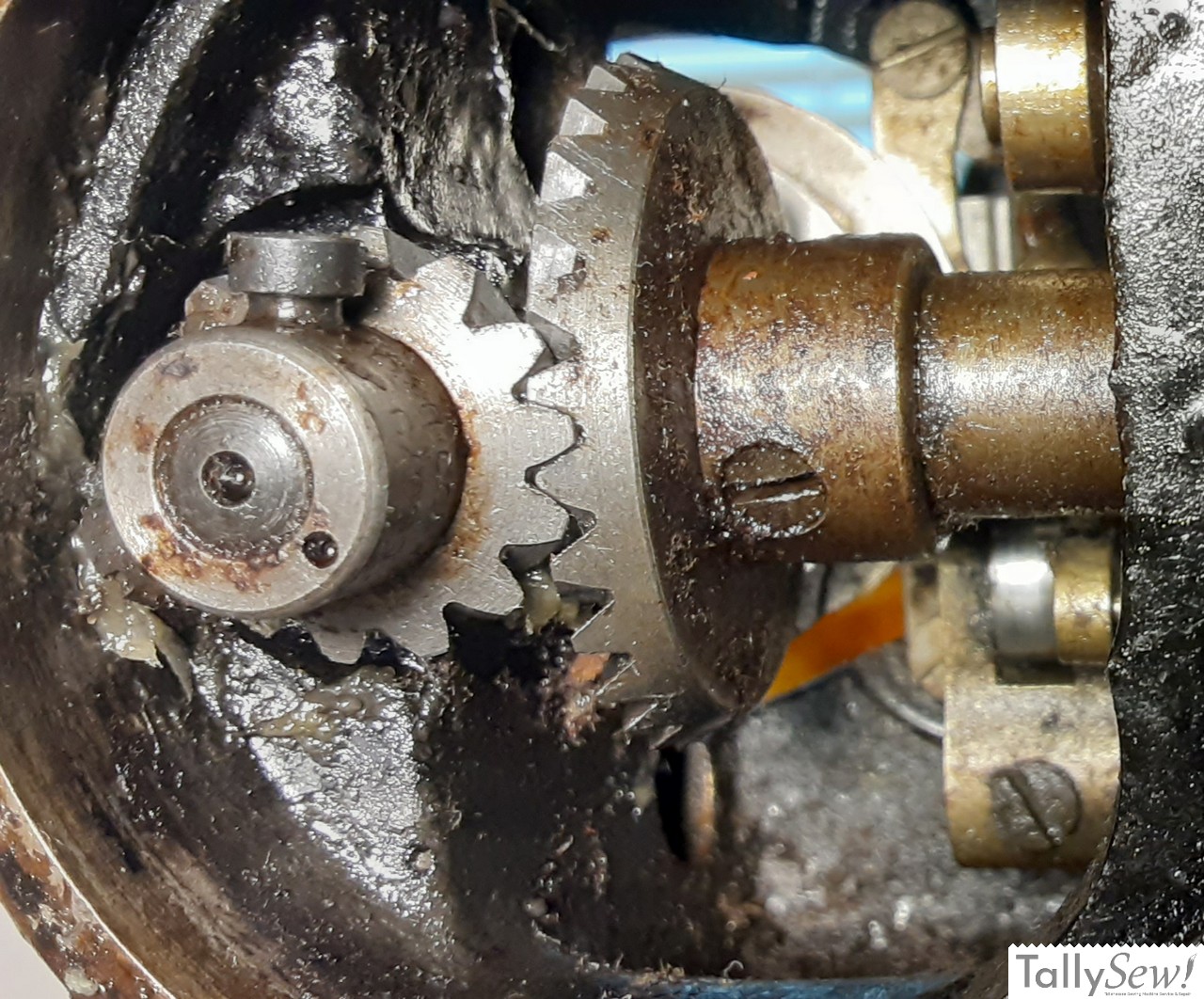
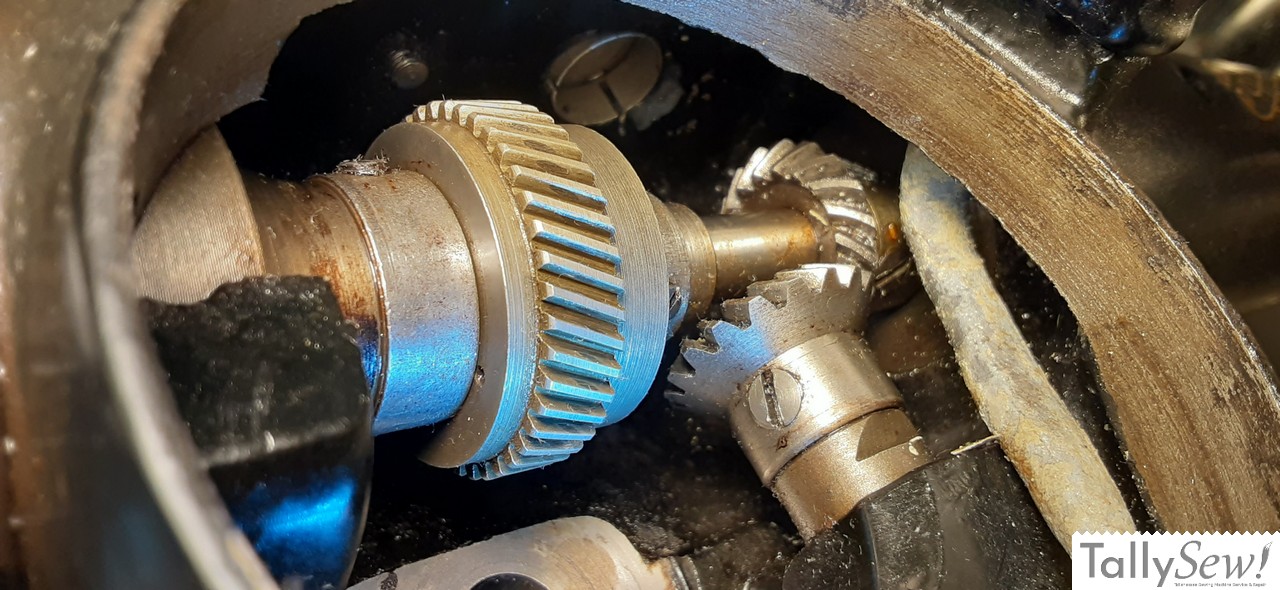
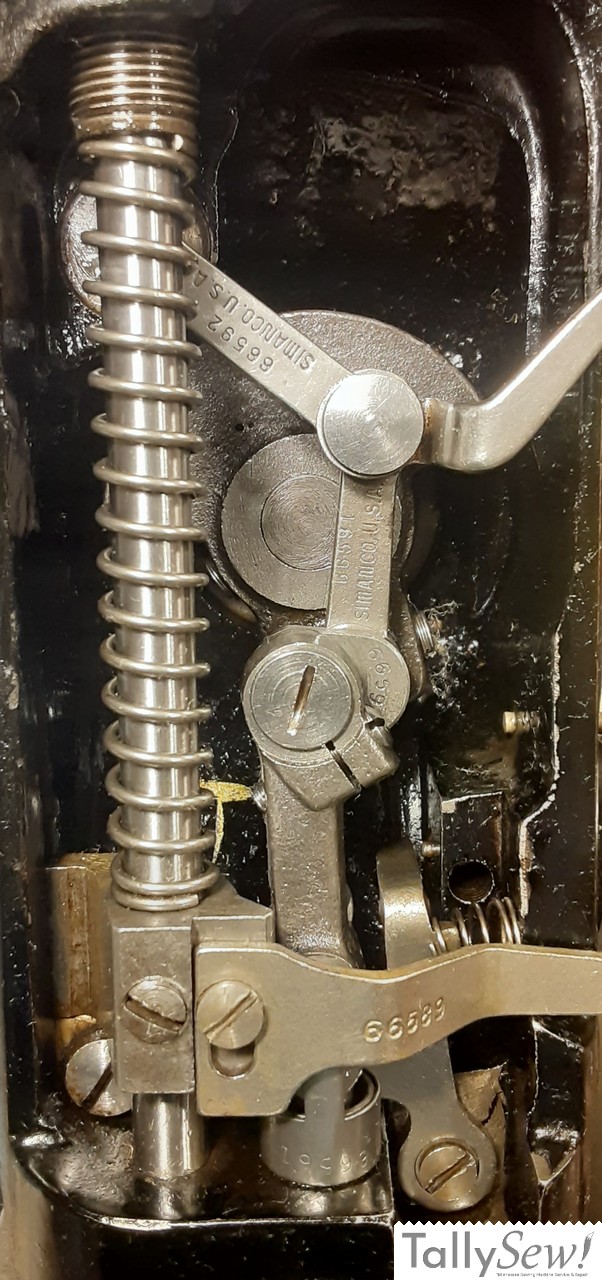
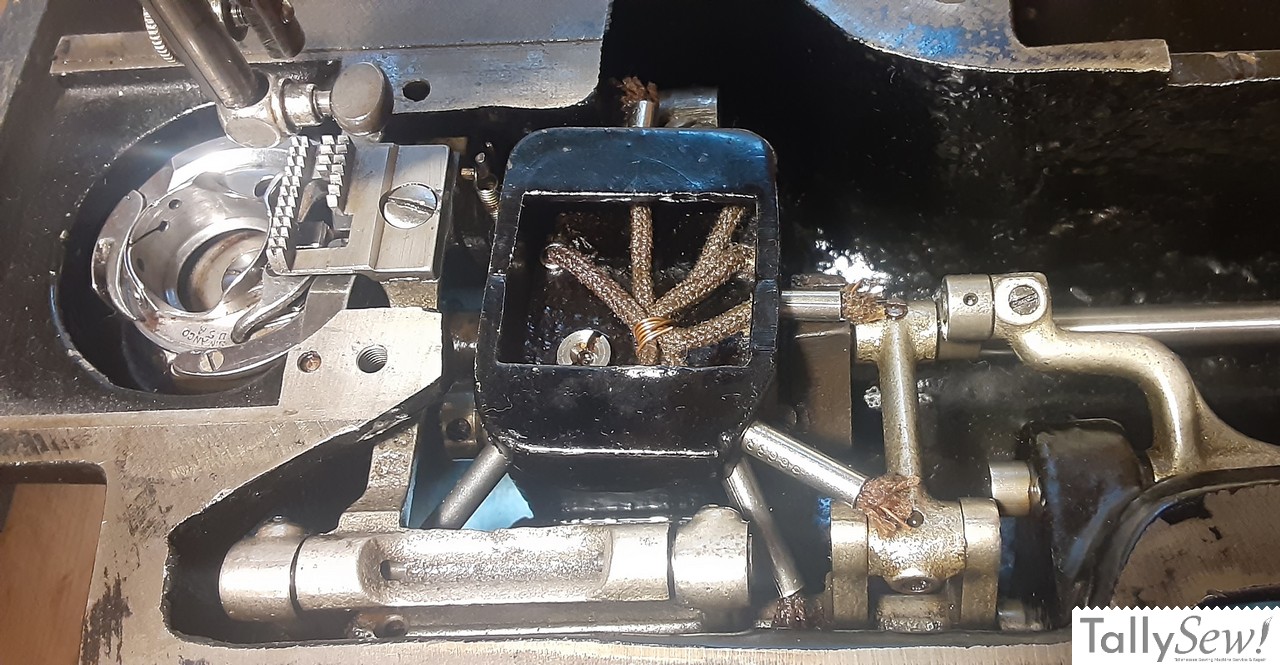
The Singer 101 is a great machine, but it’s complicated and was quite expensive when new. The 101 was also introduced at a time when people were just beginning to have electricity in their homes, and many still didn’t have it at all.
The oiling system of the Singer 101 would feel at home in an early industrial sewing machine with it’s web of oil wicks spread through the bottom end.
Singer Lamp
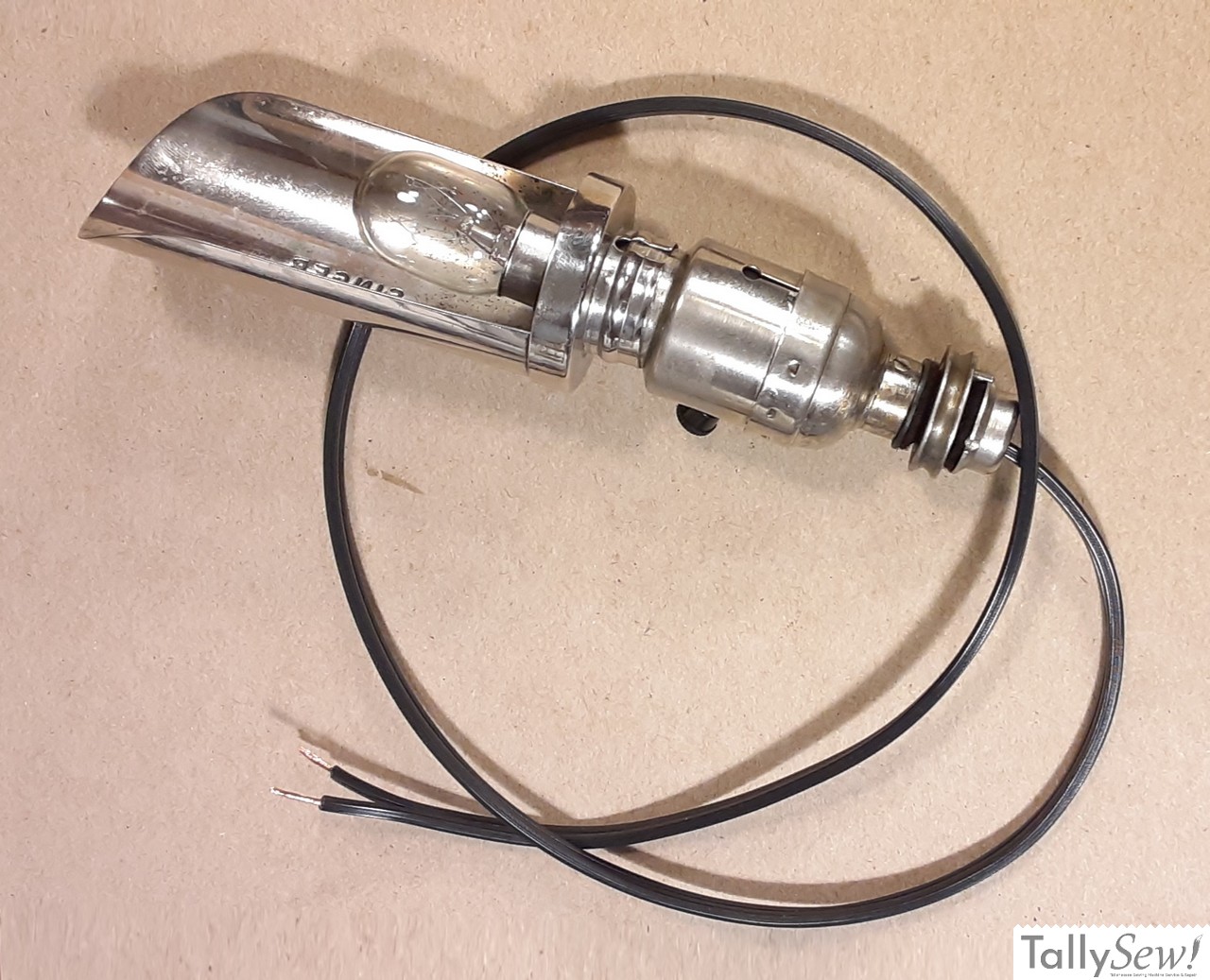
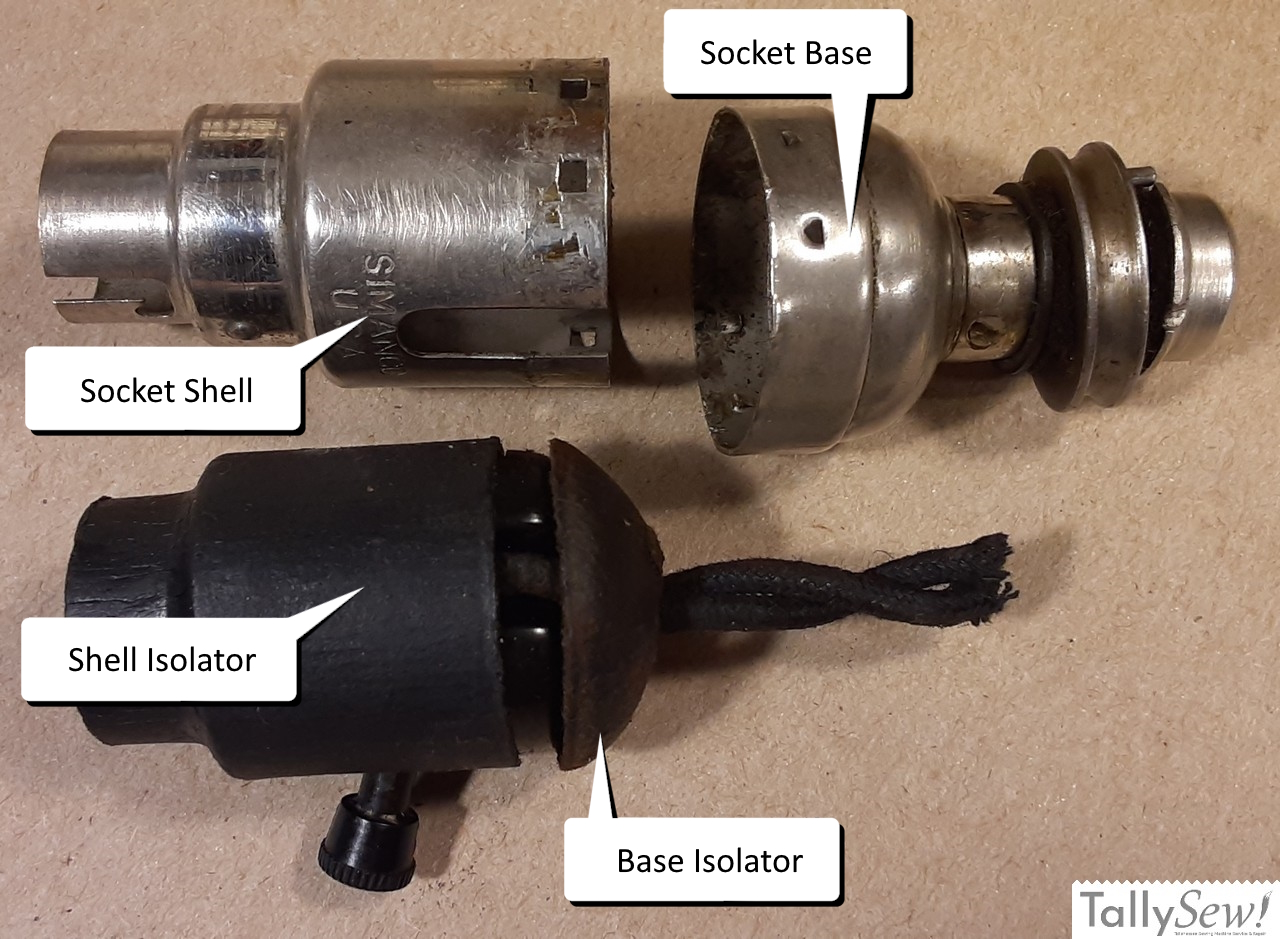
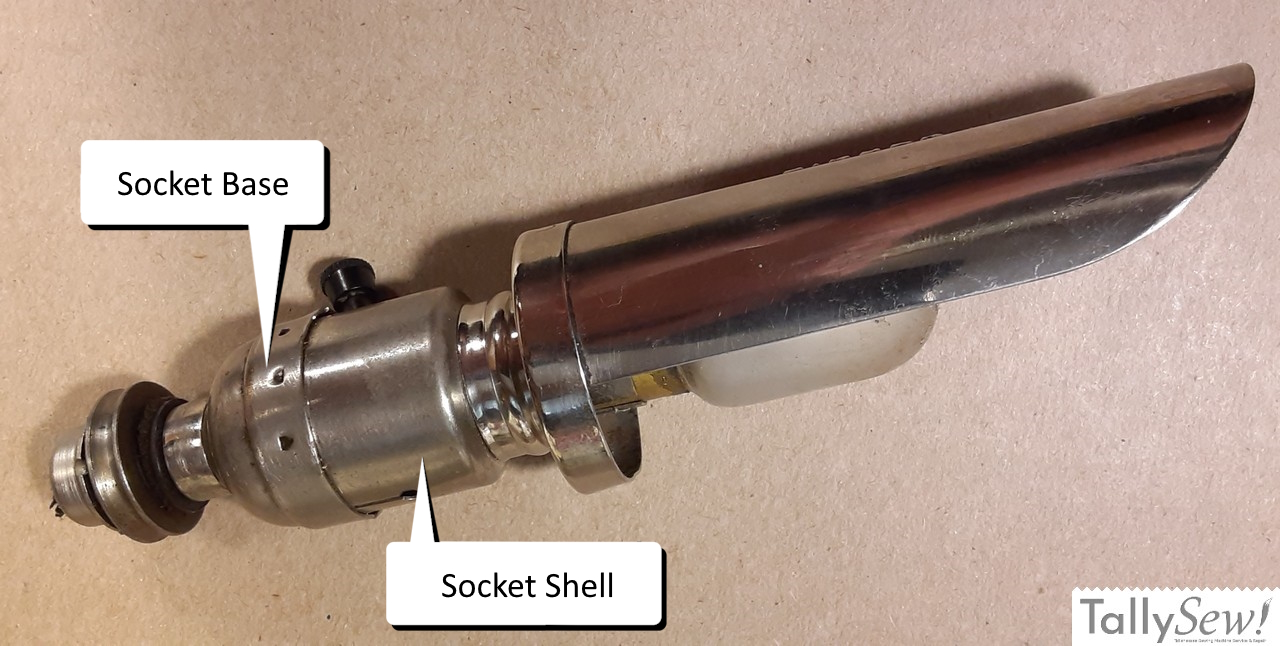
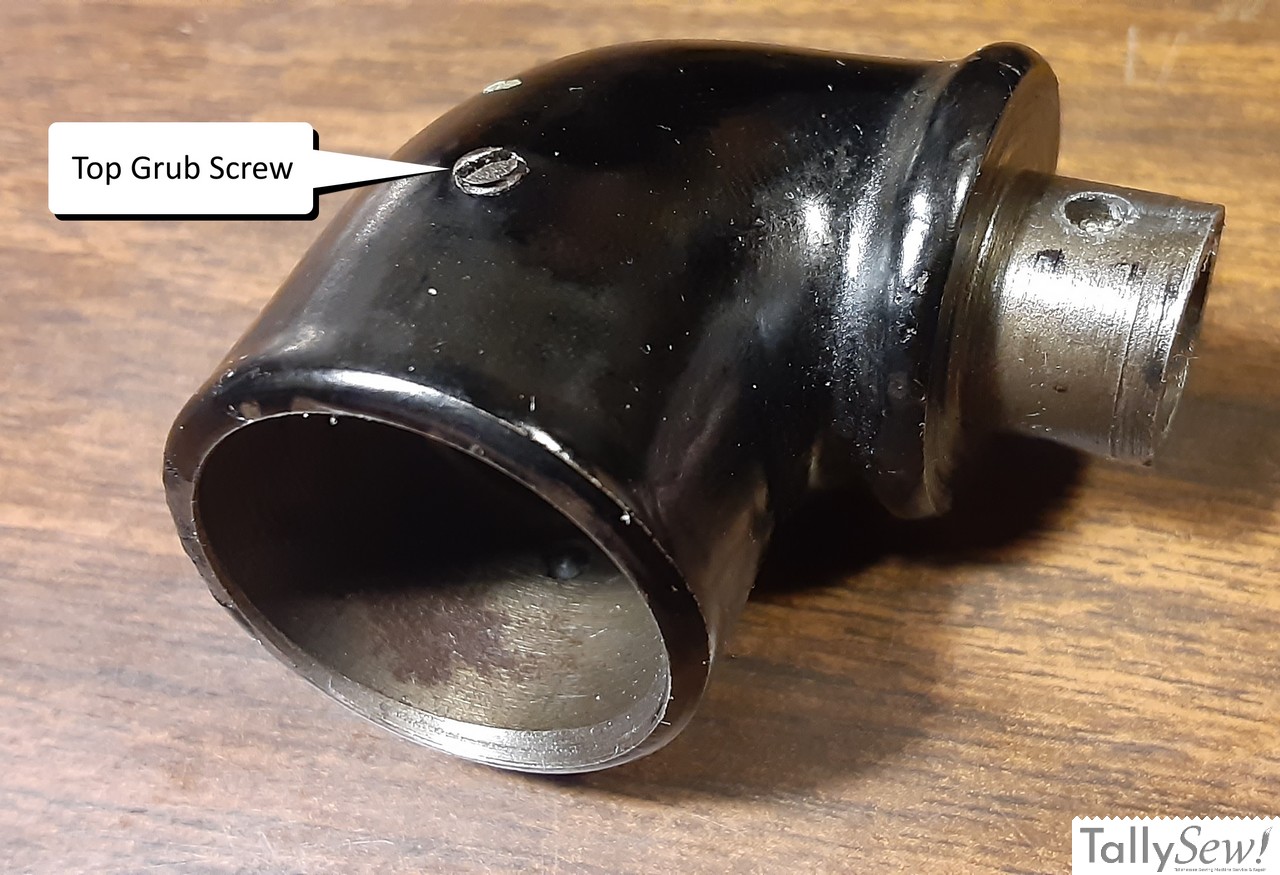
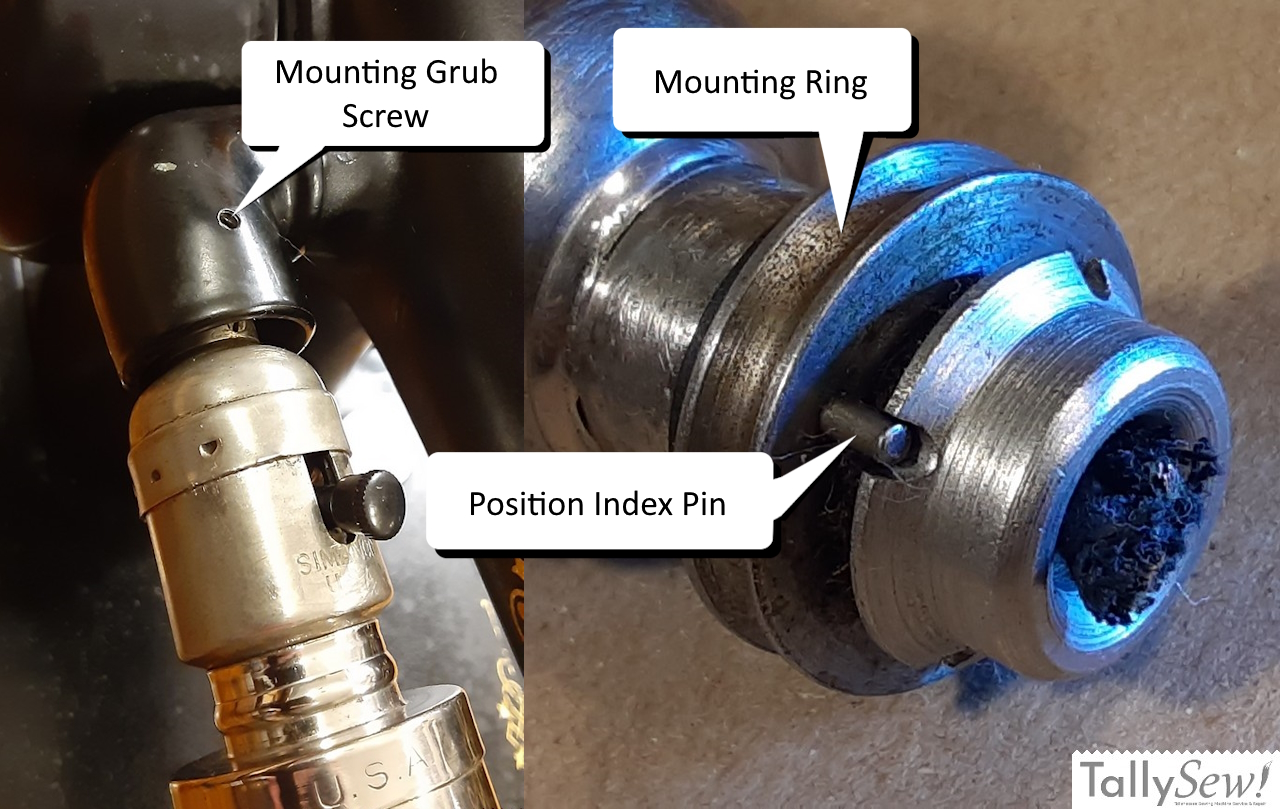
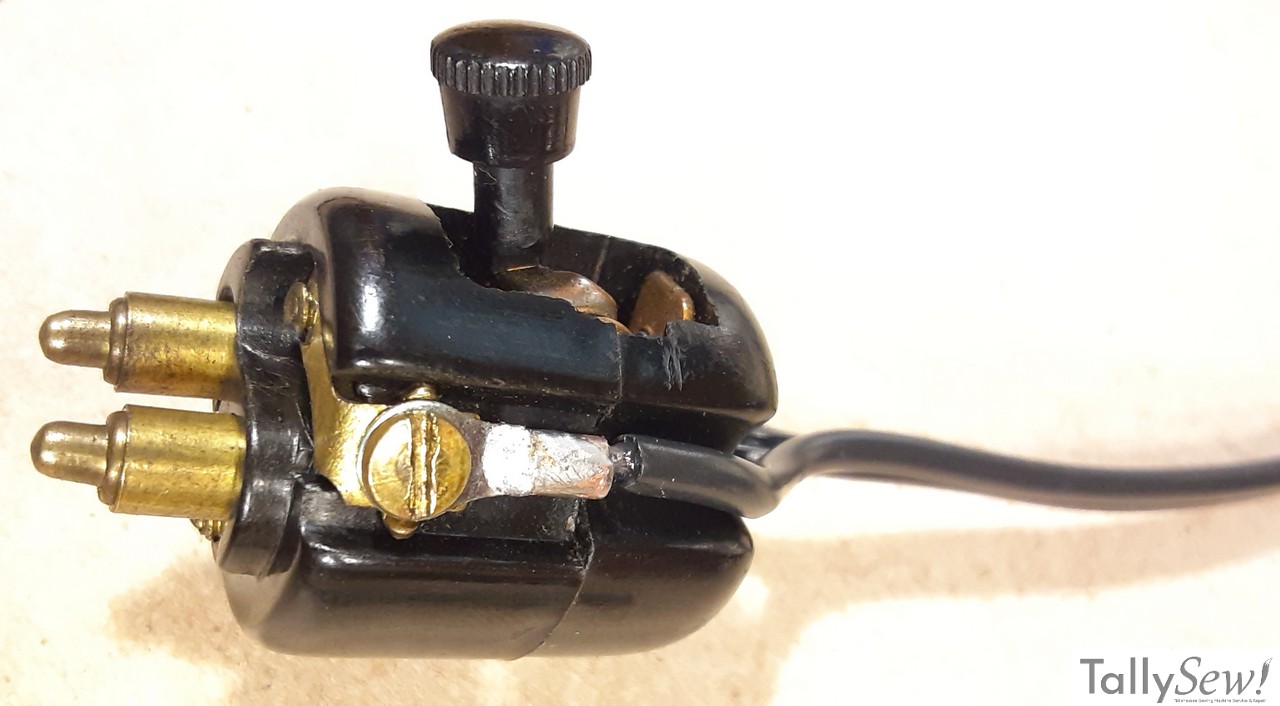
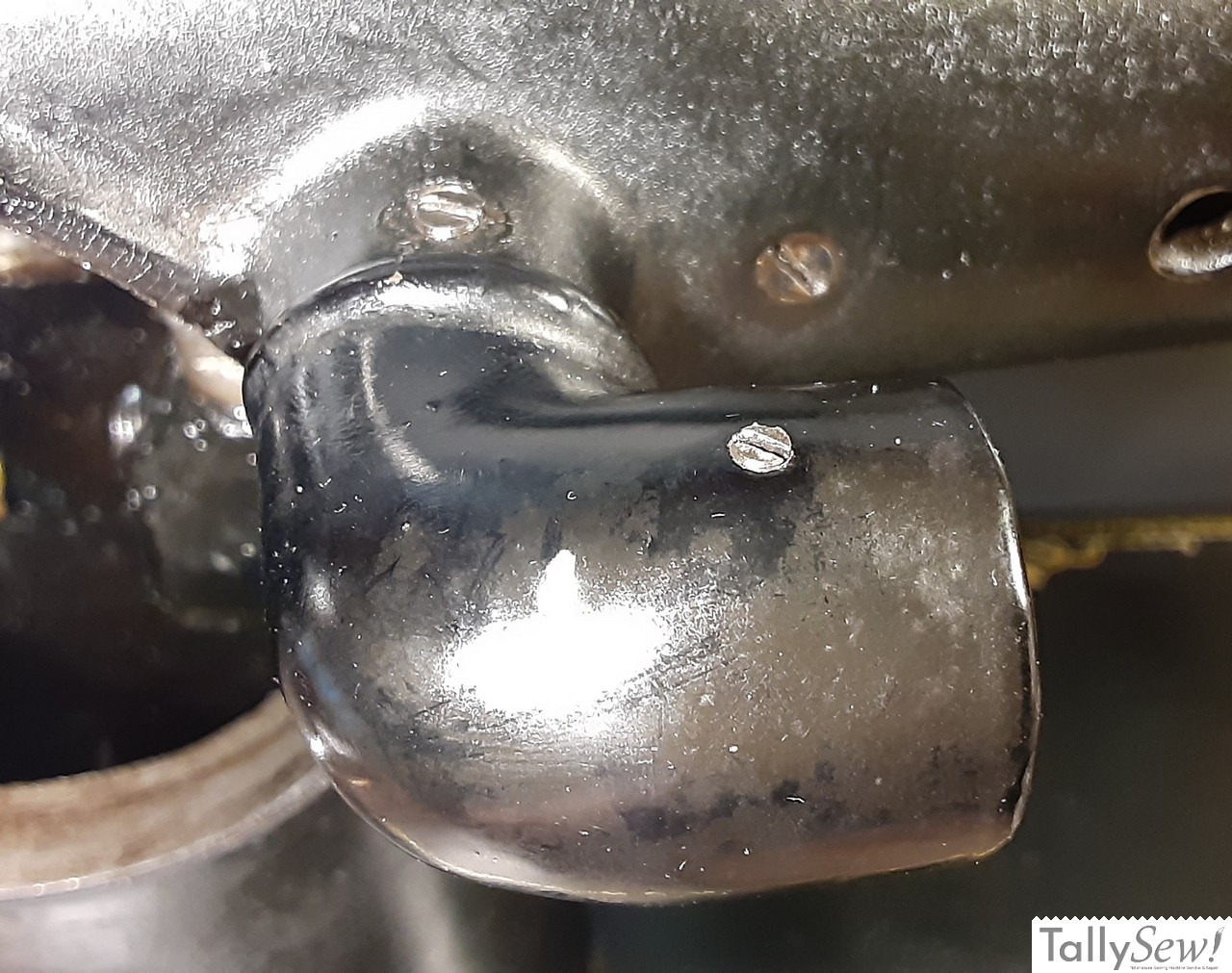
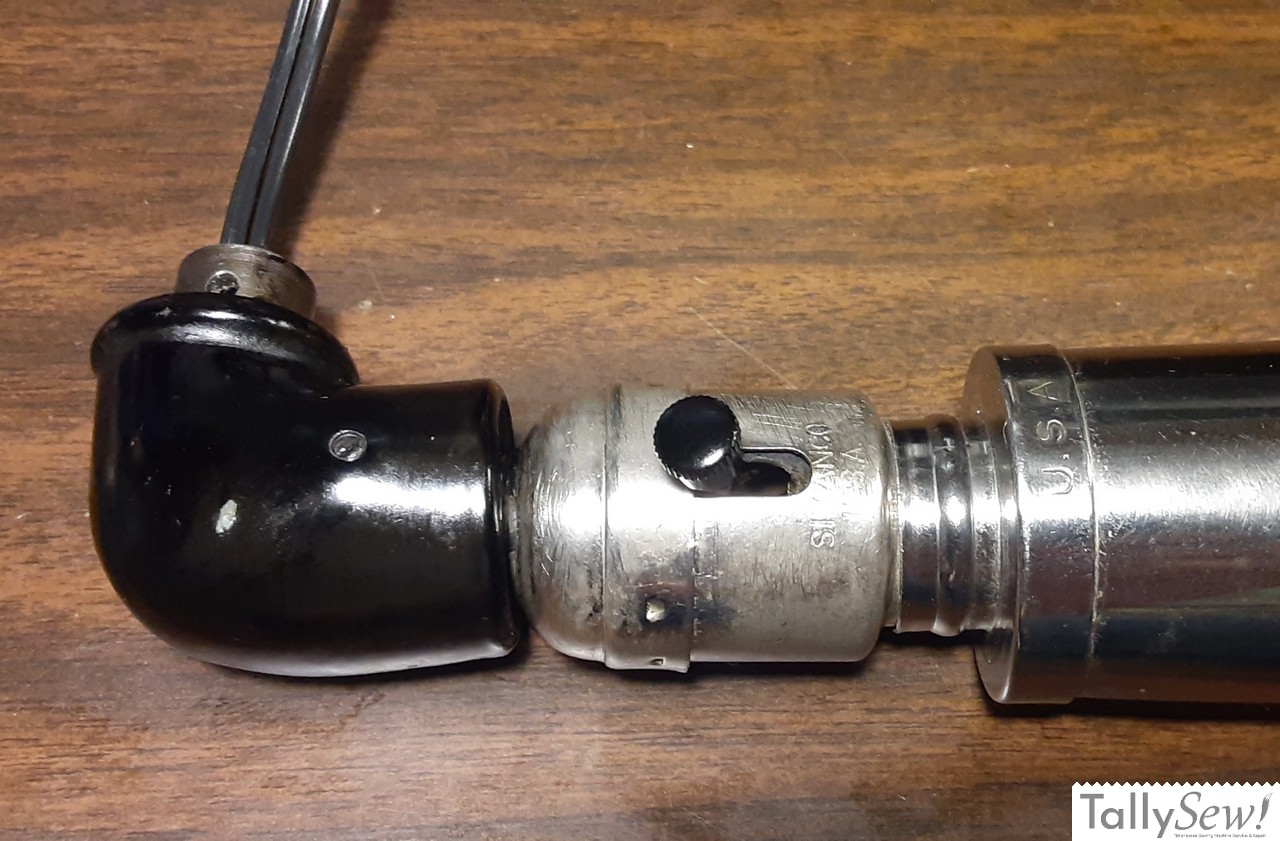
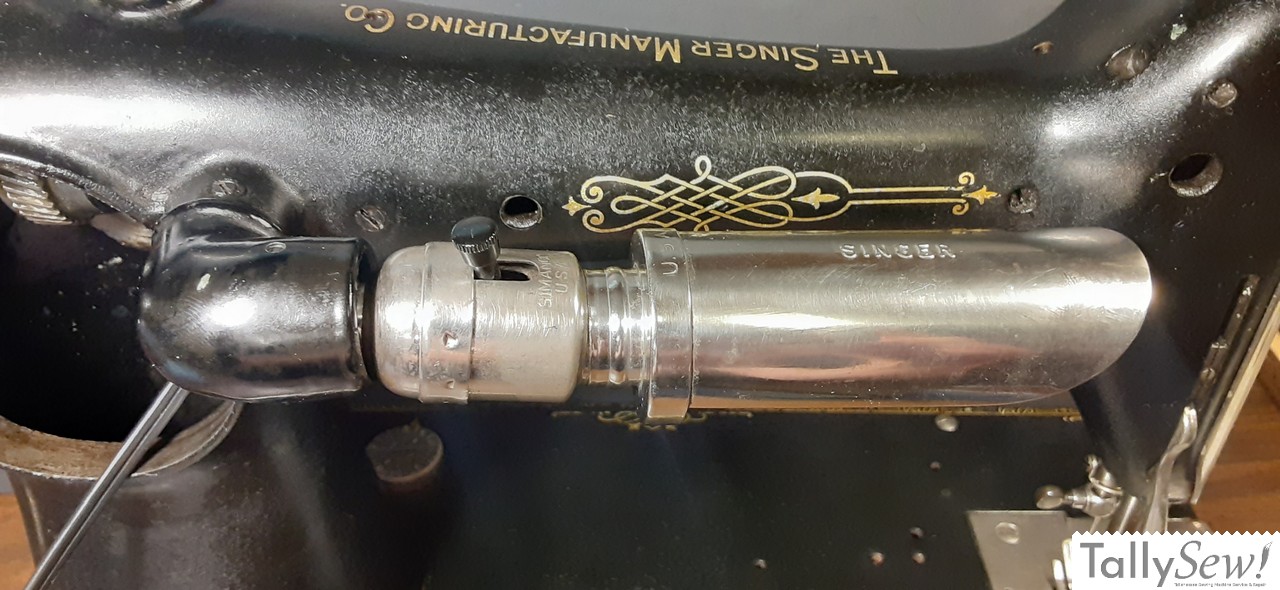
The lamp used on the Singer 101 feels like an afterthought. The socket, plug, switch, and shade are all great, but the attachment and mount design are a bit of a mess.
Note: The lamp cord shield is a lead tube similar to those found on a Singer 221 Featherweight.
Learn More: Singer 101 sewing machine with potted motor
Specifications
| Brand | Singer |
| Model | 101 |
| Machine Body | All Metal: Cast Iron or Cast Aluminum |
| Drivetrain & Gears | Direct Drive, Metal |
| Color | Black |
| Motor Mount | Potted, Rear Mount |
| Foot Type | Low Shank |
| Hook Type | Rotary |
| Bobbin Type | Class 66 |
| Needle System | 15×1 |