History of Sears Sewing Machines (Kenmore, Minnesota, Franklin Explained)
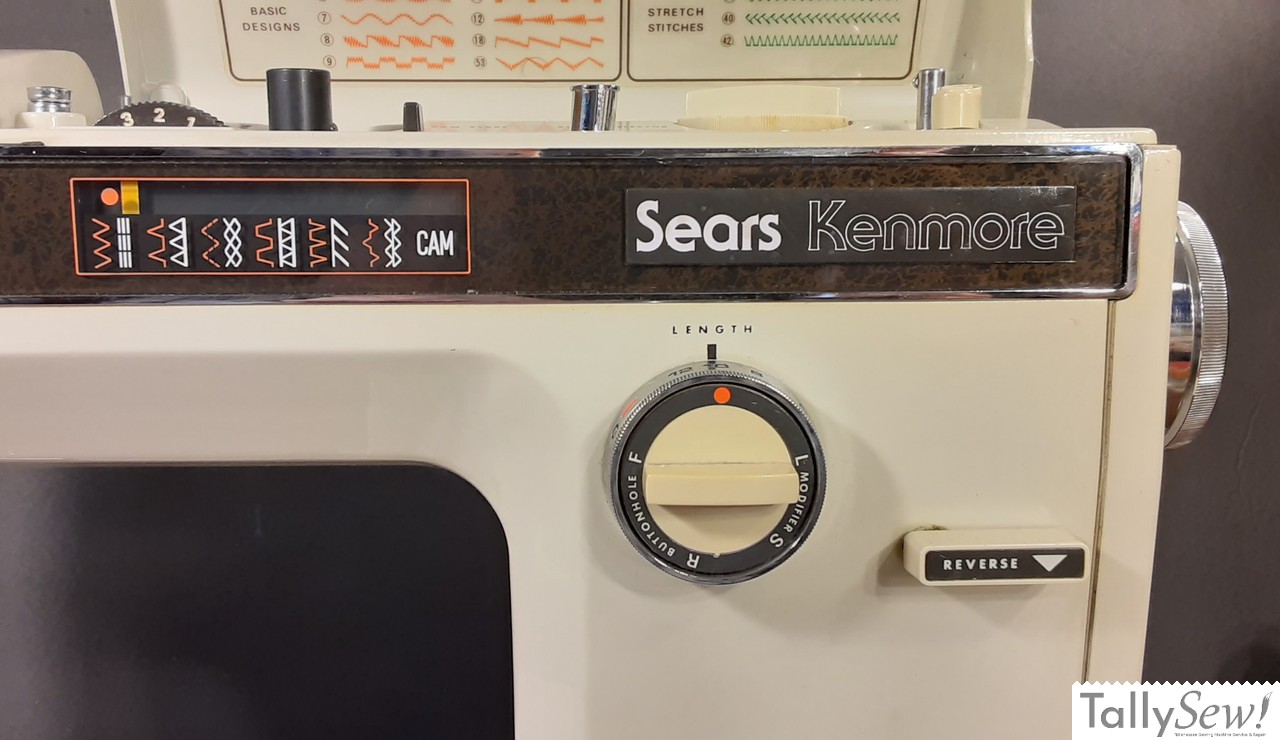
For over a century, Sears worked as a retailer and brand manager. Sears contracted established manufacturers to build machines, then put their own name on them, and sold them at prices competitors struggled to match. That approach shaped everything about Sears sewing machines.
Sears sold sewing machines under several brands including Minnesota, Franklin, and later Kenmore.
Sears used what’s called badge engineering. They partnered with manufacturers, specified features, and sold the finished machines under house brands.
This gave them two advantages:
- Lower prices than competitors like Singer
- Flexibility to switch suppliers without changing the brand name
Early Years: 1890s to 1920s
Sears started selling mail order sewing machines in the late 1800s. Early brands included Minnesota, Acme, and a handful of short-lived names used to fill catalog space.
Suppliers changed often. Companies like National, Davis, and Free built machines for Sears during this period.
In 1911, Sears introduced the Franklin brand. These were built by Domestic and closely resembled Singer machines. Close enough that Singer sued and won. Sears had to modify the design, but Franklin remained a strong seller into the 1930s.
The Kenmore brand first appeared in 1913, then disappeared in 1919. It wouldn’t return for another 15 years.
The White Era: 1920s to 1958
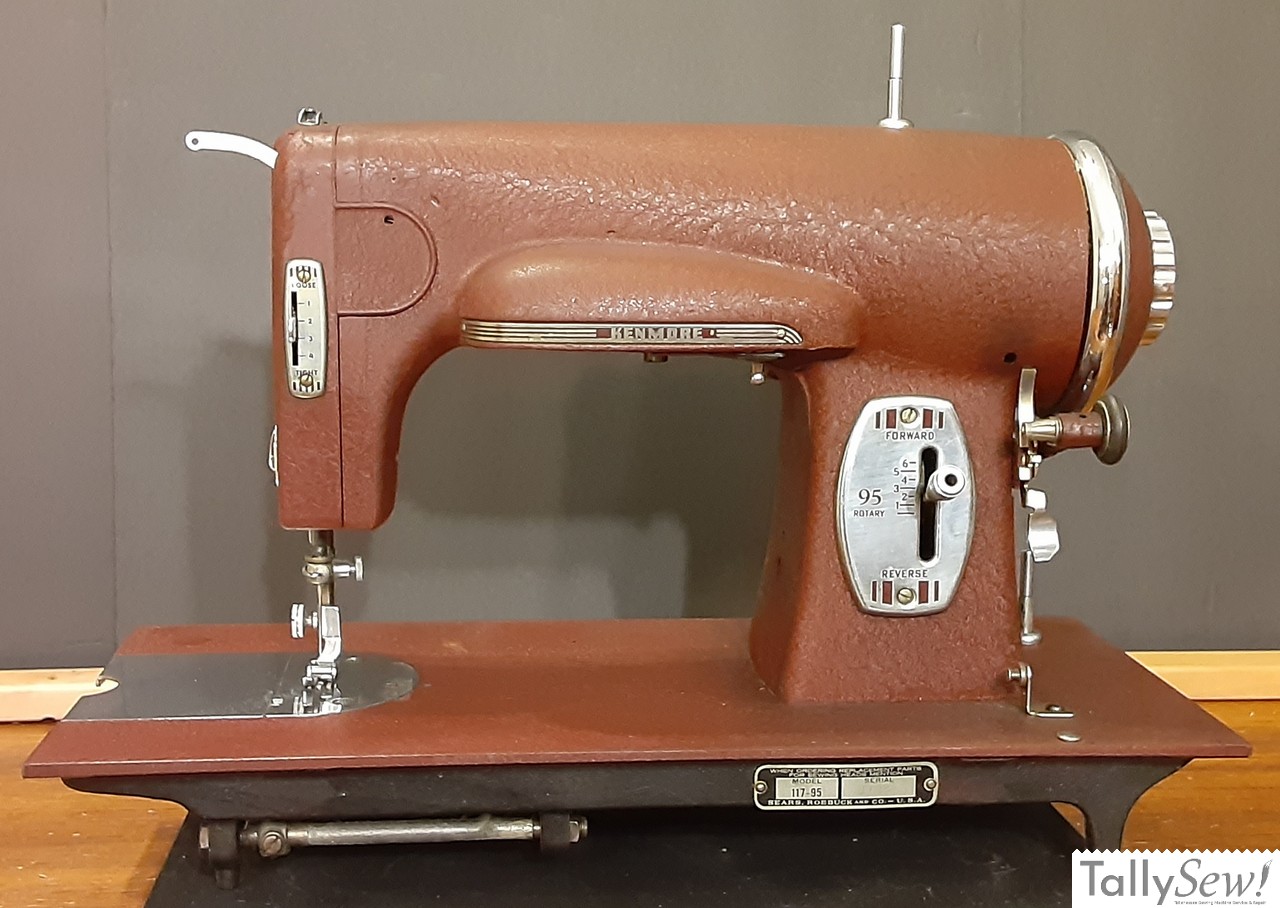
By the 1930s, White Sewing Machine Company had become Sears’ primary supplier. Every Sears machine during this period was built by White, regardless of the name on it.
If you’re looking at a Sears machine with a 117 model prefix, it’s a White-built machine. A good example of a hard to find 117 model would be the Kenmore 117.95 Rotary in the image above.
Kenmore came back in 1934 and gradually replaced other brand names. After World War II, it became the only name Sears used for sewing machines.
These machines were all-metal, durable, and built to last. Many are still running today.
The WWII Gap
Sears stopped selling sewing machines during World War II due to rationing and because manufacturers had shifted to war production. Sales resumed in the late 1940s with updated Kenmore models.
The Big Shift – 1958
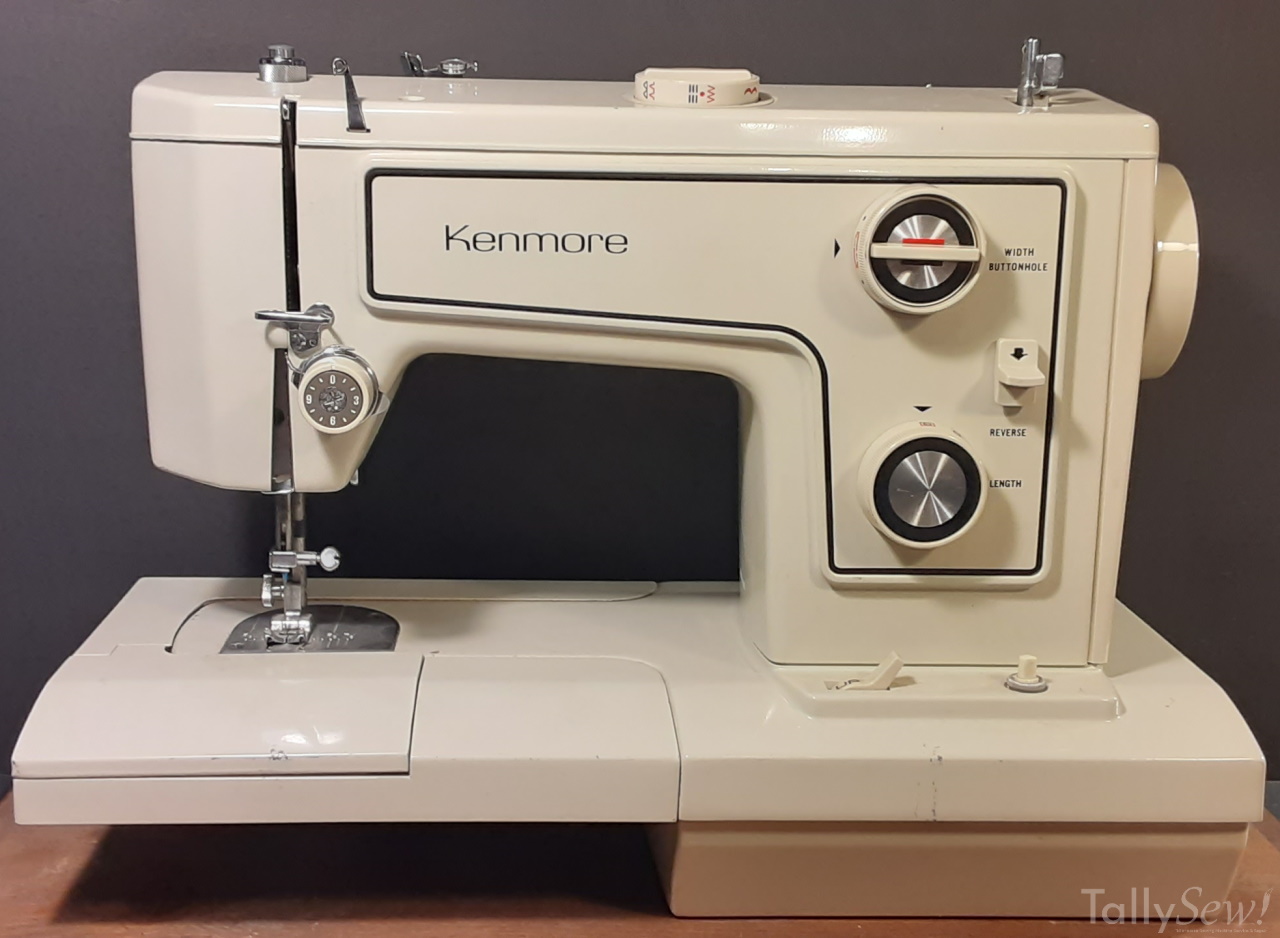
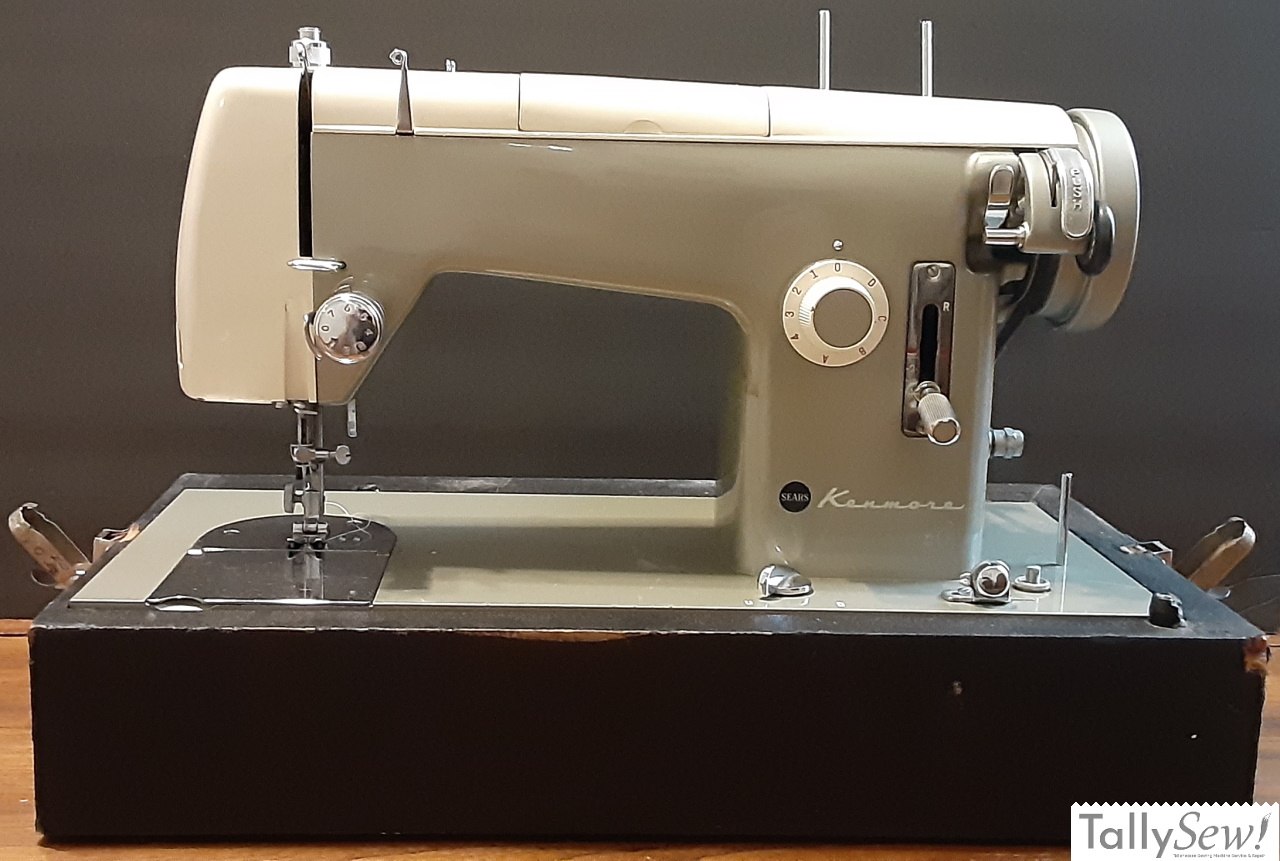
Kenmore 158.521
In 1958, Sears dropped the White sewing machine company as a supplier and moved to Japanese manufacturers.
Examples of the early Kenmore branded machines manufactured in Japan are the Kenmore 148.15600 and Kenmore 158.521 shown above.
The reason was simple… Cost. Japanese factories could produce feature-rich machines at lower prices. At the same time, buyers wanted zig-zag stitching, buttonholes, and decorative stitches.
Sears went from offering a handful models to offering dozens.
Japanese and European Manufacturers
From the late 1950s onward, multiple companies built Kenmore machines. You identify them by the three-digit model prefix:
- 148: Soryu (Japan)
- 158: Maruzen / Jaguar (Japan)
- 385: Janome (Japan)
- 516: Gritzner-Kayser (Germany)
- 562: Brother (Japan/Taiwan)
The 158 series stands out. Early models from the 1960s are all-metal, gear-driven, and widely considered some of the best Kenmore machines ever made. Later versions added plastic components, so not all machines in the 158 series are created equal.
Peak Years: 1960s and 1970s
This was the high point for Kenmore.
Sears offered over 100 models and model variants, covering everything from basic machines to advanced units with decorative stitch cams and free-arm designs. Kenmore became one of the best-known sewing machine brands in North America.
At this point, buyers trusted the name. You could walk into a Sears store almost anywhere and find a machine that worked well and was reasonably priced.
Decline: 1980s to 2013
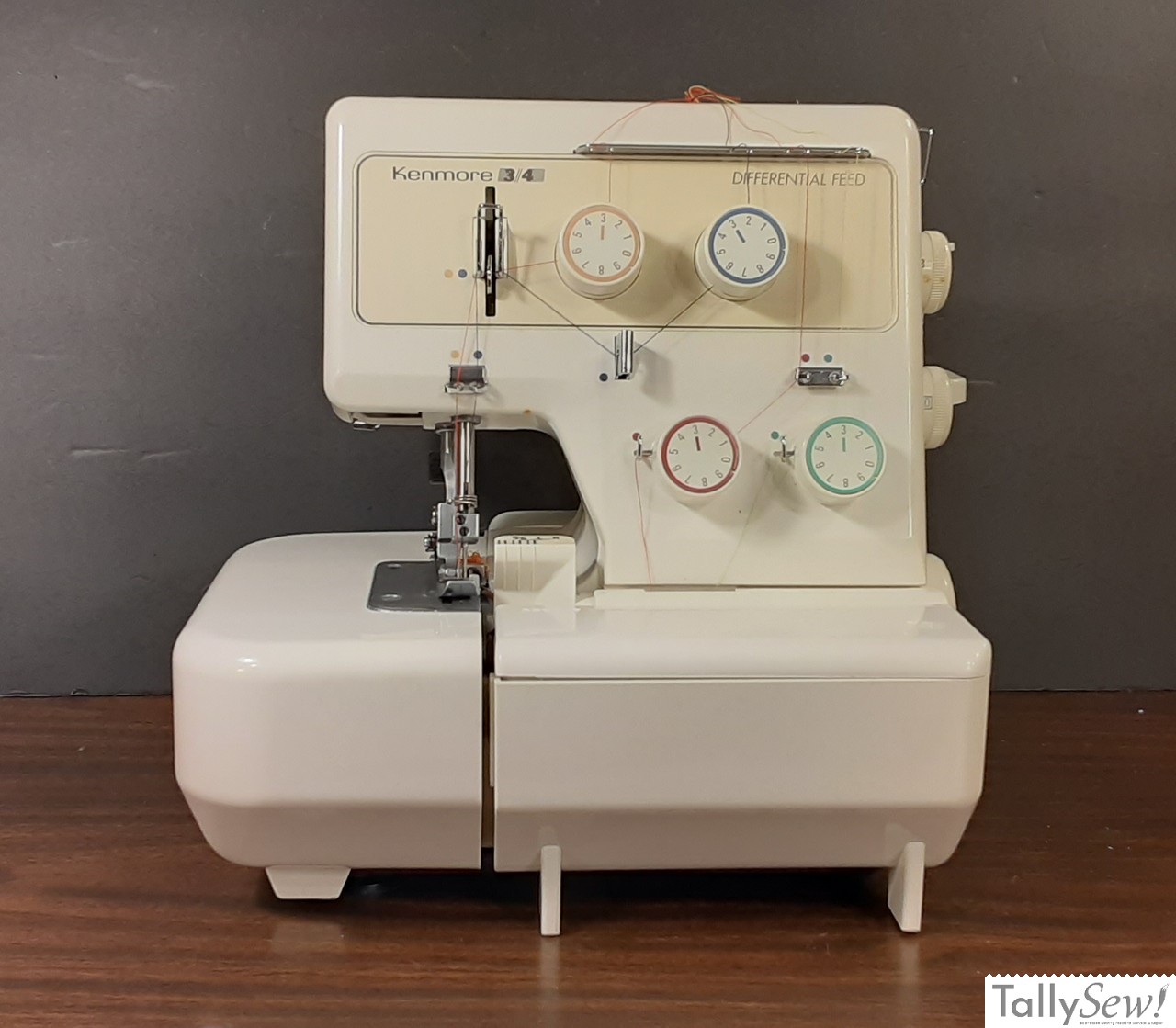

Home sewing declined as ready-made clothing became cheaper. Sears’ share of the market shrank with it.
Janome became the primary supplier for the 385-series machines. These were built to hit a lower price point, with more plastic parts and less focus on long-term durability. Most 385 models use plastic in the drivetrain and stitch pattern components, but the materials tend to be higher quality than what many competitors used at the time, so they’ve generally held up better than expected.
A nice example of the 385 series is the Kenmore 385-15516.
Sears ended its sewing machine relationship with Janome in 2013. The Kenmore sewing machine line ended there. When Sears filed for bankruptcy in 2018, the chapter closed completely.
What “Kenmore” Actually Means
A Kenmore is not a single type of machine.
- A 1950 Kenmore is a White-built, all-metal rotary
- A 1965 Kenmore is a Japanese zig-zag with cams
- A 1990 Kenmore is a Janome with mixed materials
Same name. Completely different machines.
If you want to know what you actually have, check the model prefix.
Bottom Line
Sears sewing machine history isn’t about one company building machines. It’s about a retailer managing suppliers.
Would you like to know more?
- History of Sears Sewing Machines (Kenmore, Minnesota, Franklin Explained)
- ISMACS – Sears Roebuck
- Sears Kenmore Sewing Machines
- Facebook Group – Vintage Sewing Machines
- Facebook Group – Vintage Sears Kenmore and White Sewing Machines
- Facebook Group – Vintage Kenmore Sears Sewing Machine Adoration and Restoration