Singer 14U44 Serger
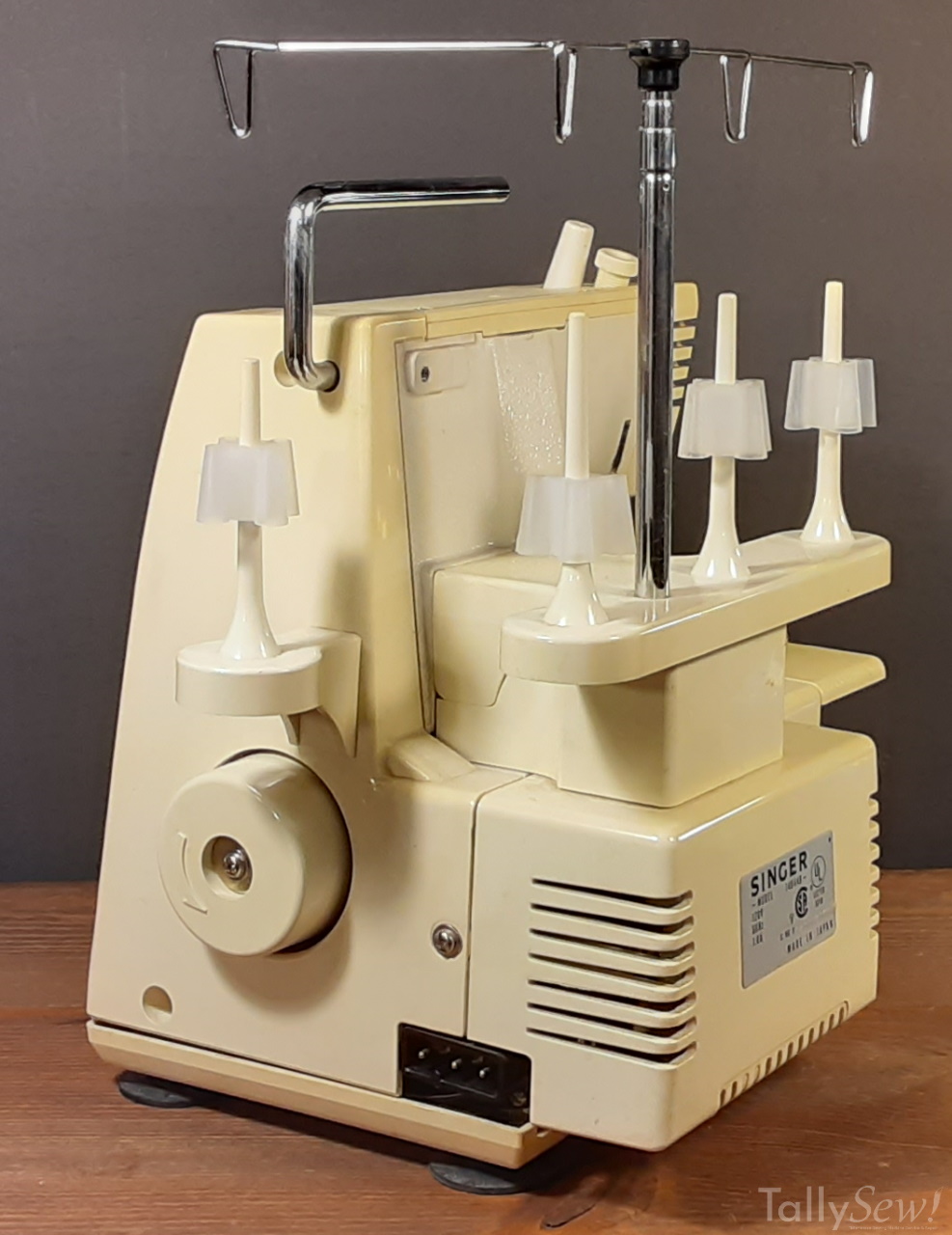
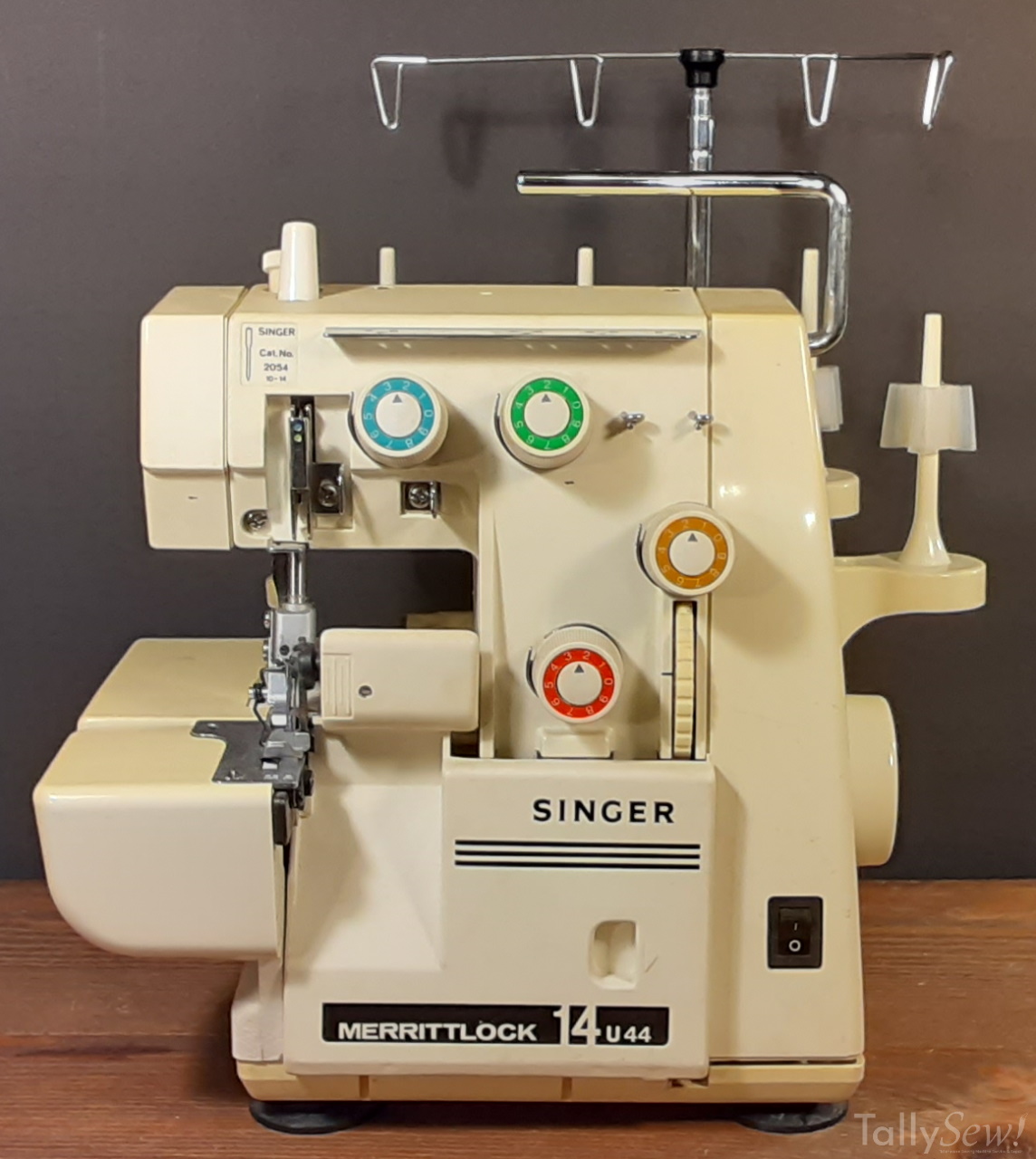
Singer has an extensive line of overlock serger machines covering both consumer and Industrial needs. There are quite a few different models within the Singer 14U series alone, each with their own distinct characteristics.
The 14U44 and 14U44B lack the differential feed found on some of its more expensive siblings , but they are still capable 4 thread two needle machines.
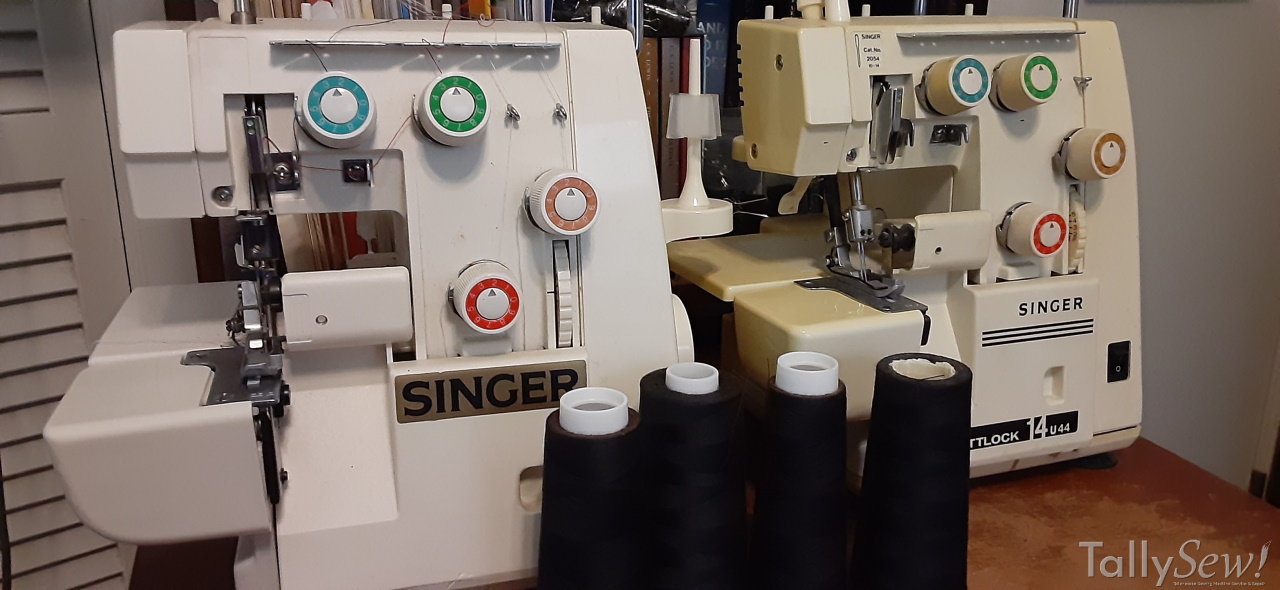
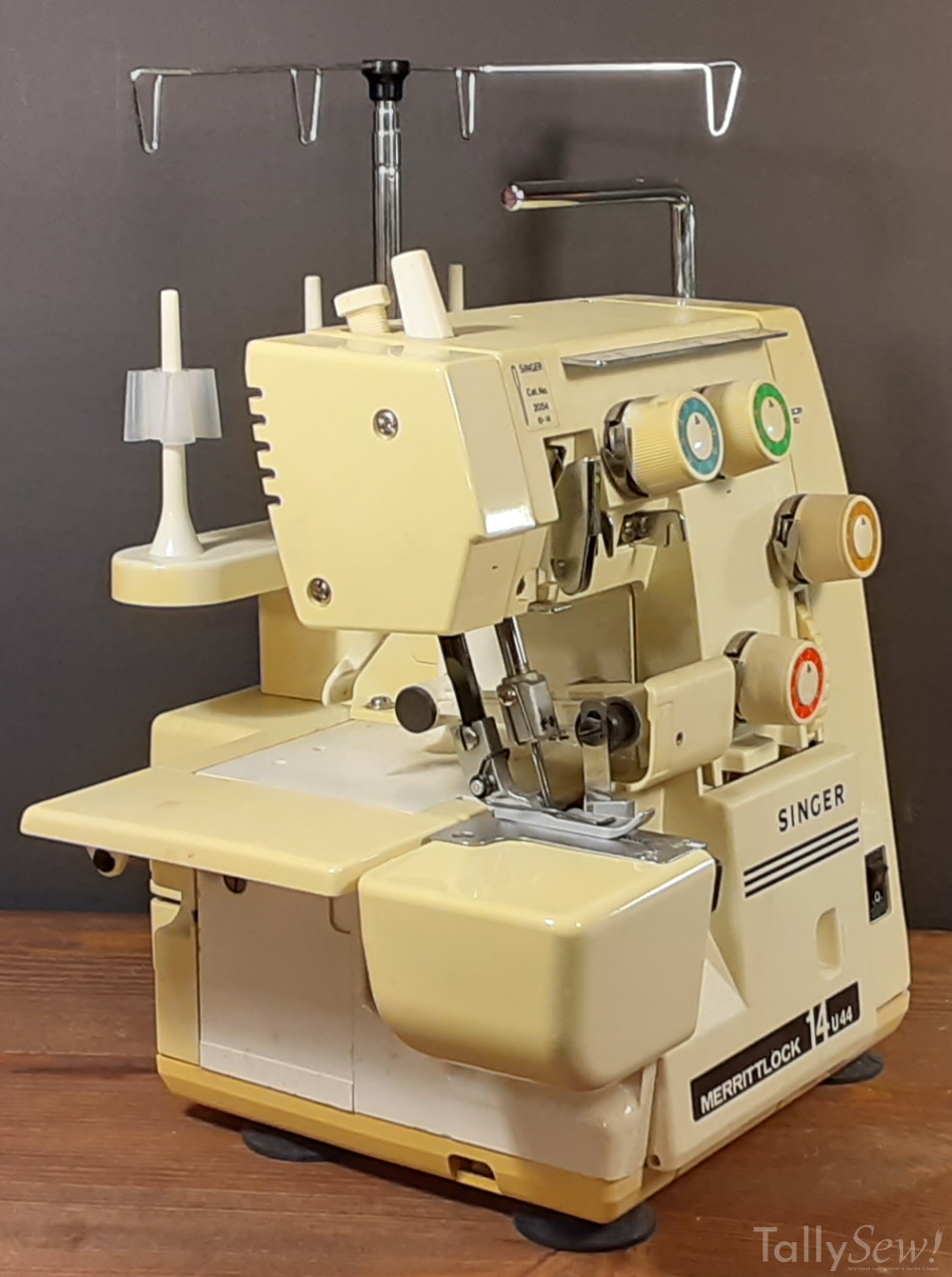
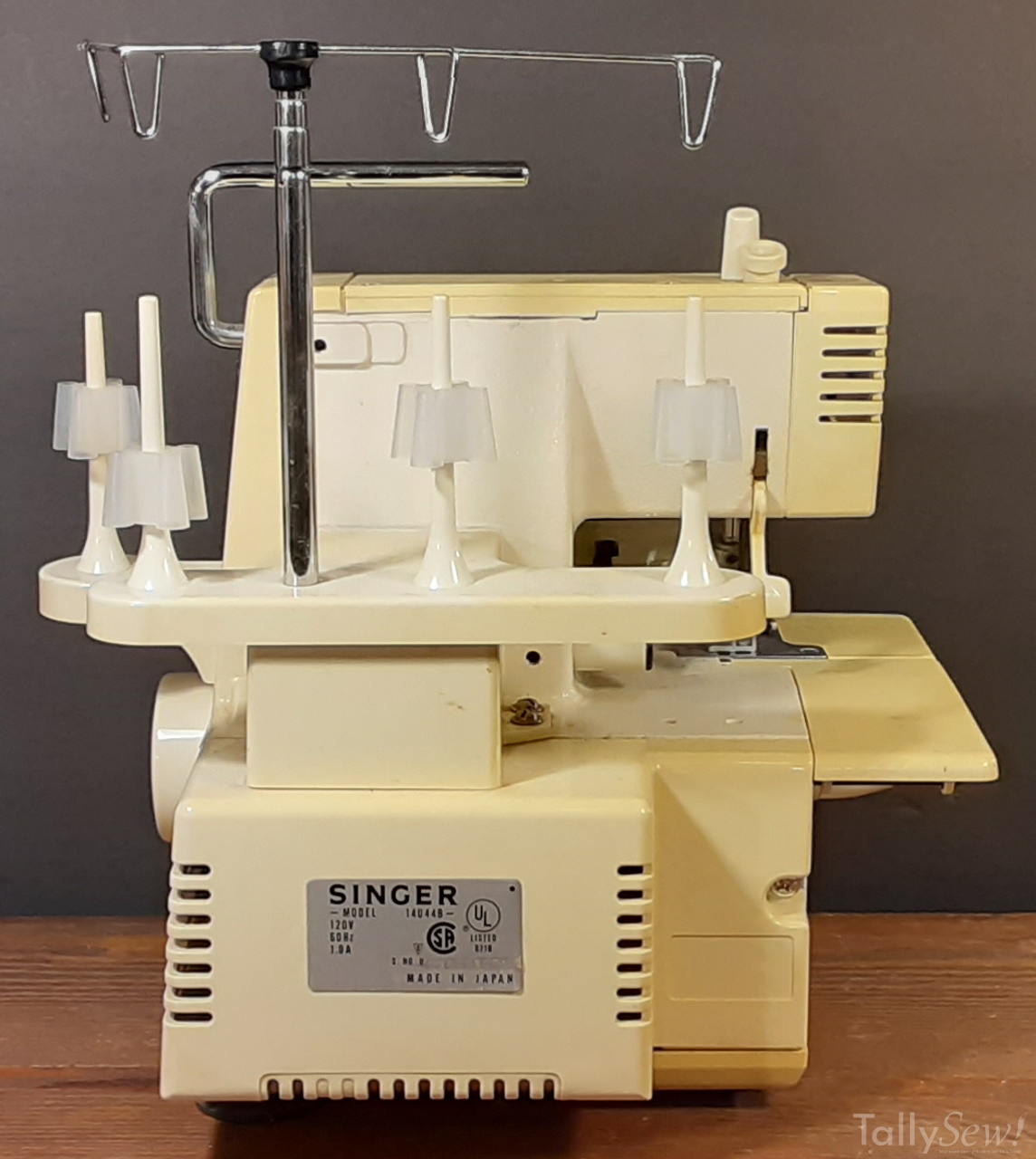
As best as I can tell, the machine on the left is a 14U44 (it isn’t marked). It’s very similar to the 14U44B on the right, except that it uses common 15×1 household sewing machine needles, and a couple of other minor differences. Both machines are strong and dependable.
Serger vs Overlock
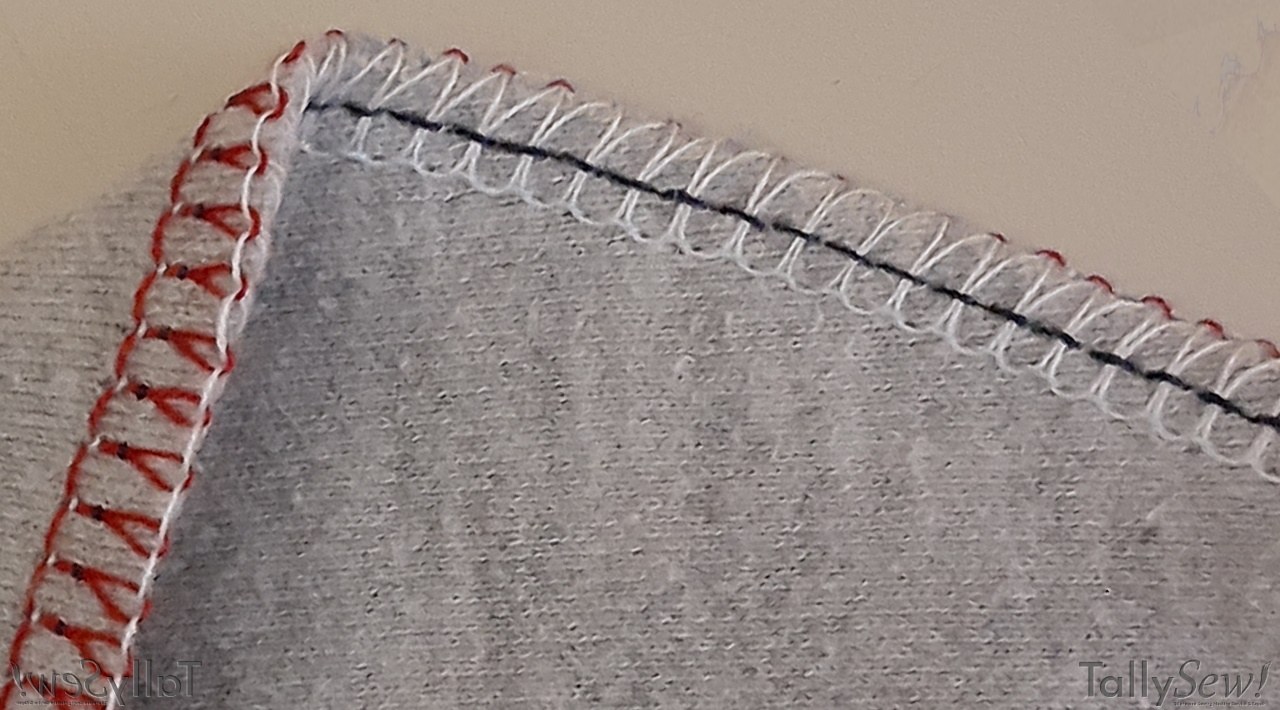
They’re the same thing and interchangeable in use. “Serger” is the American term, while “Overlocker” tends to be used outside the United States.
Sewing Needles

The Singer 14U44B and many of the other 14U series machines require an industrial type Singer 2054 10-14 sewing needle with a smaller shank diameter than common sewing needles. This means that a common sewing needle is too large for the 14U44B, so you won’t accidently insert a common type. The Singer 2054 10-14 needles aren’t locally available in stores, at least not where I live. I’ve been using Organ Needles – SLX75 SY2054 75/11 with my Singer 14U44B to good effect, but your mileage may vary.
Note: Some of the 14U Series Sergers use common 15×1 sewing machine needles.
Under the plastic
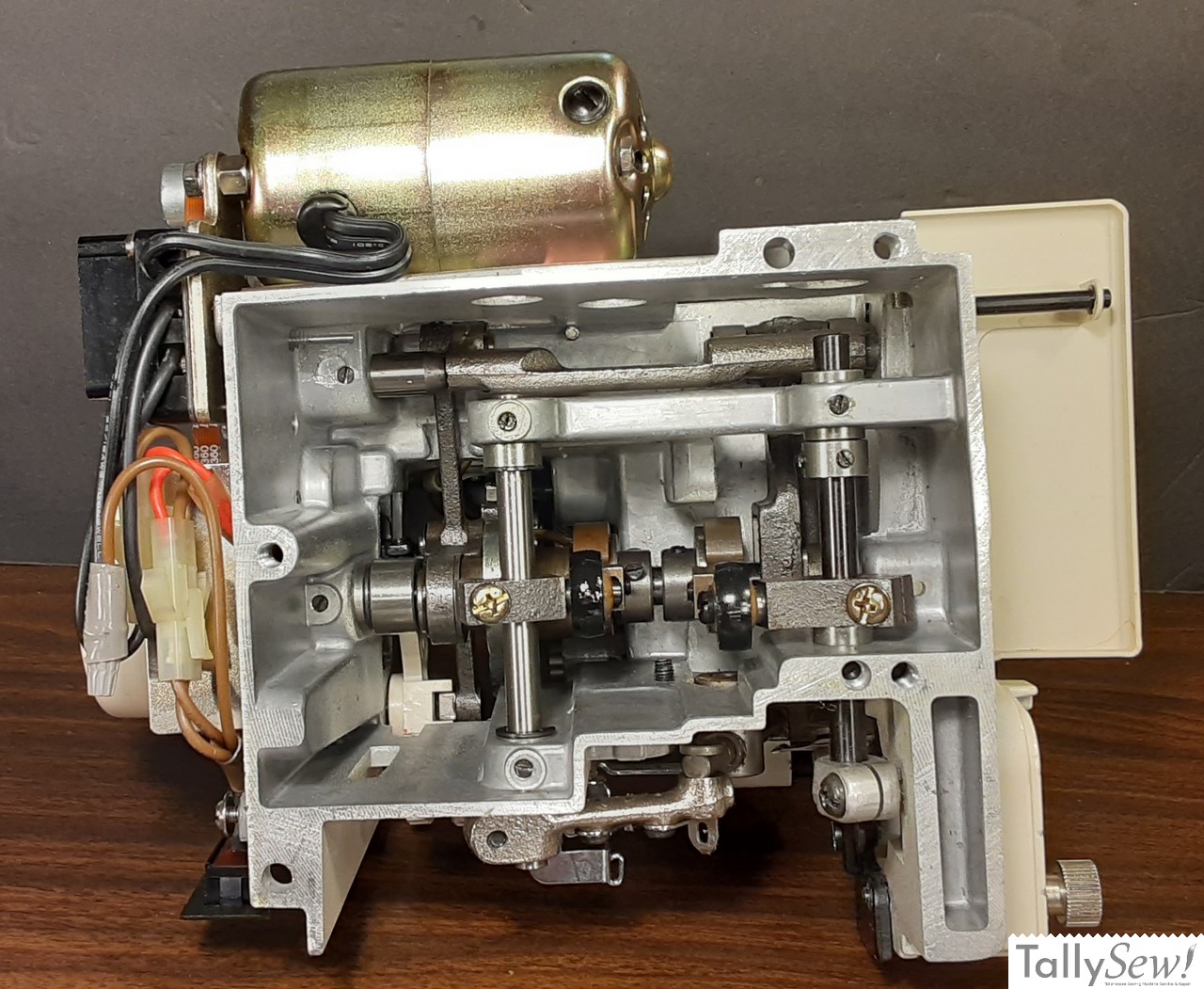
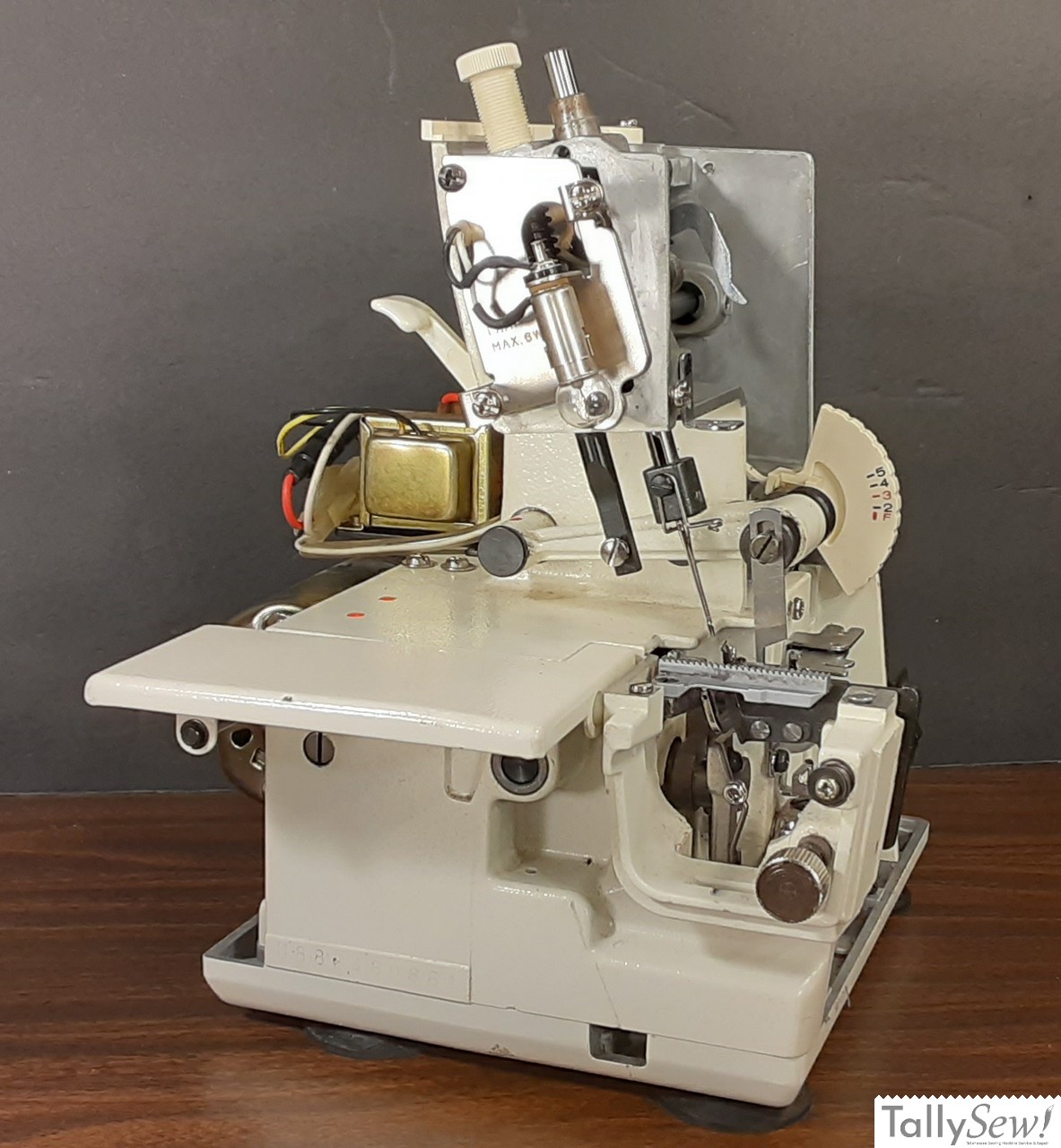
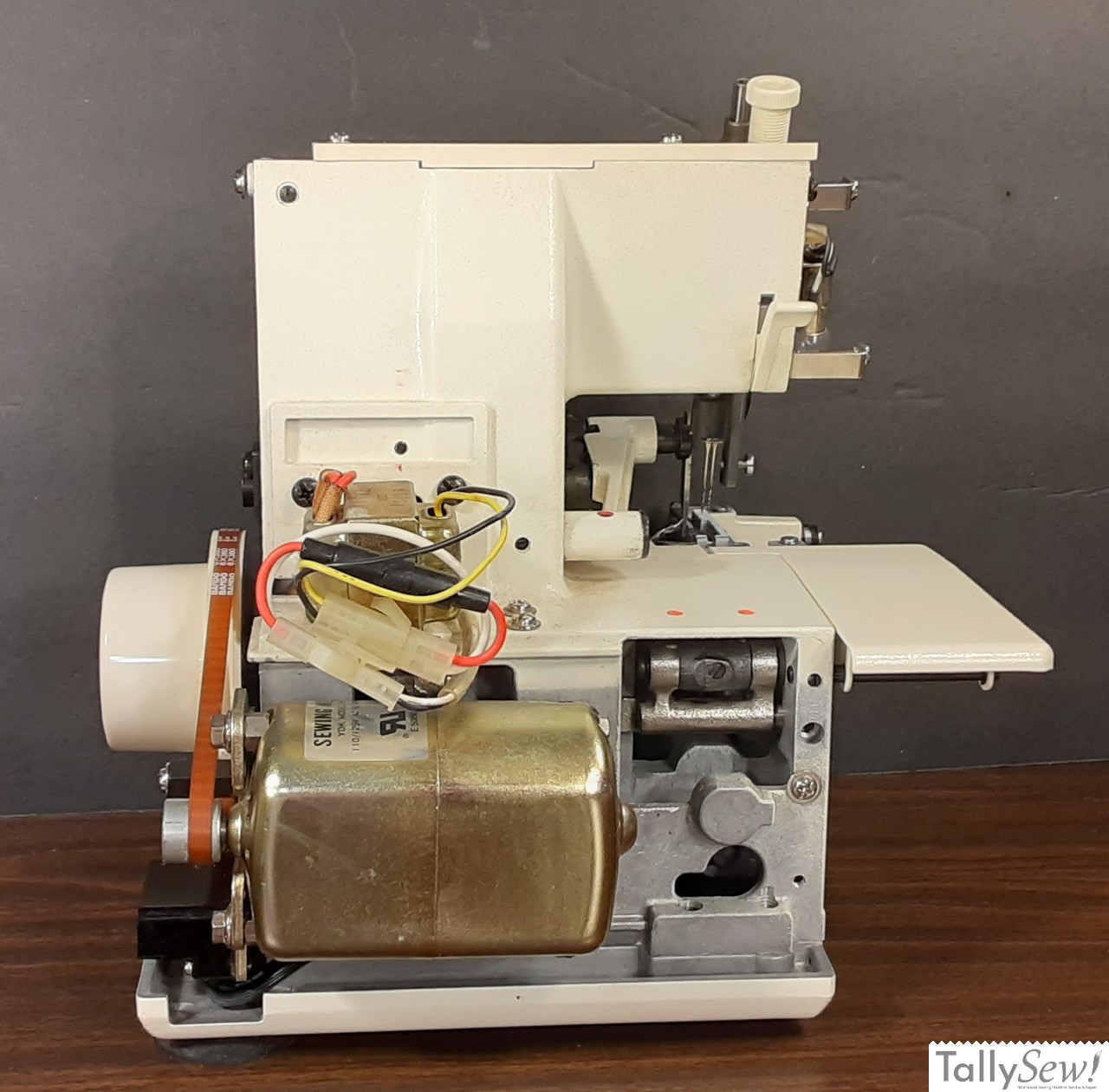
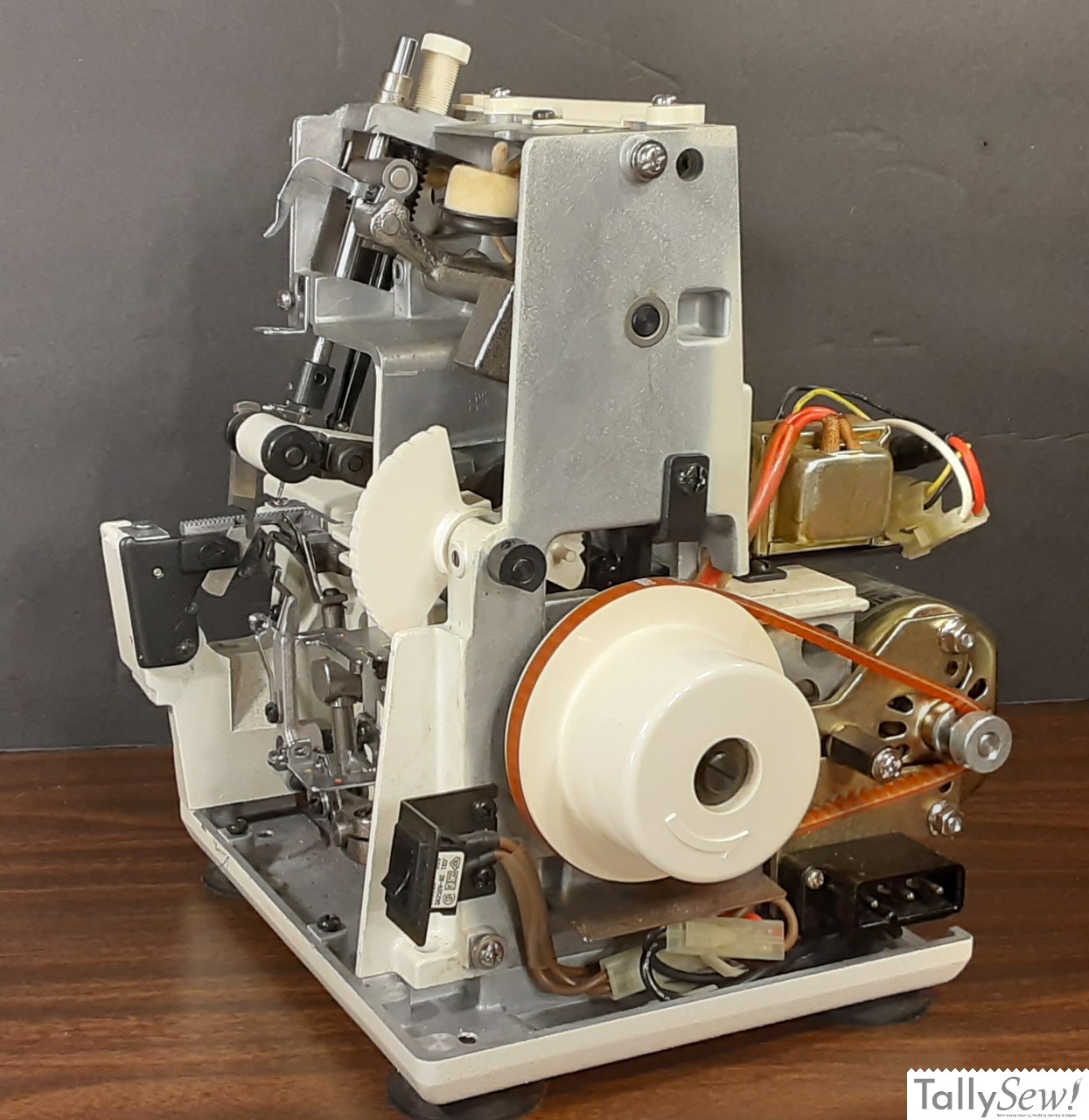
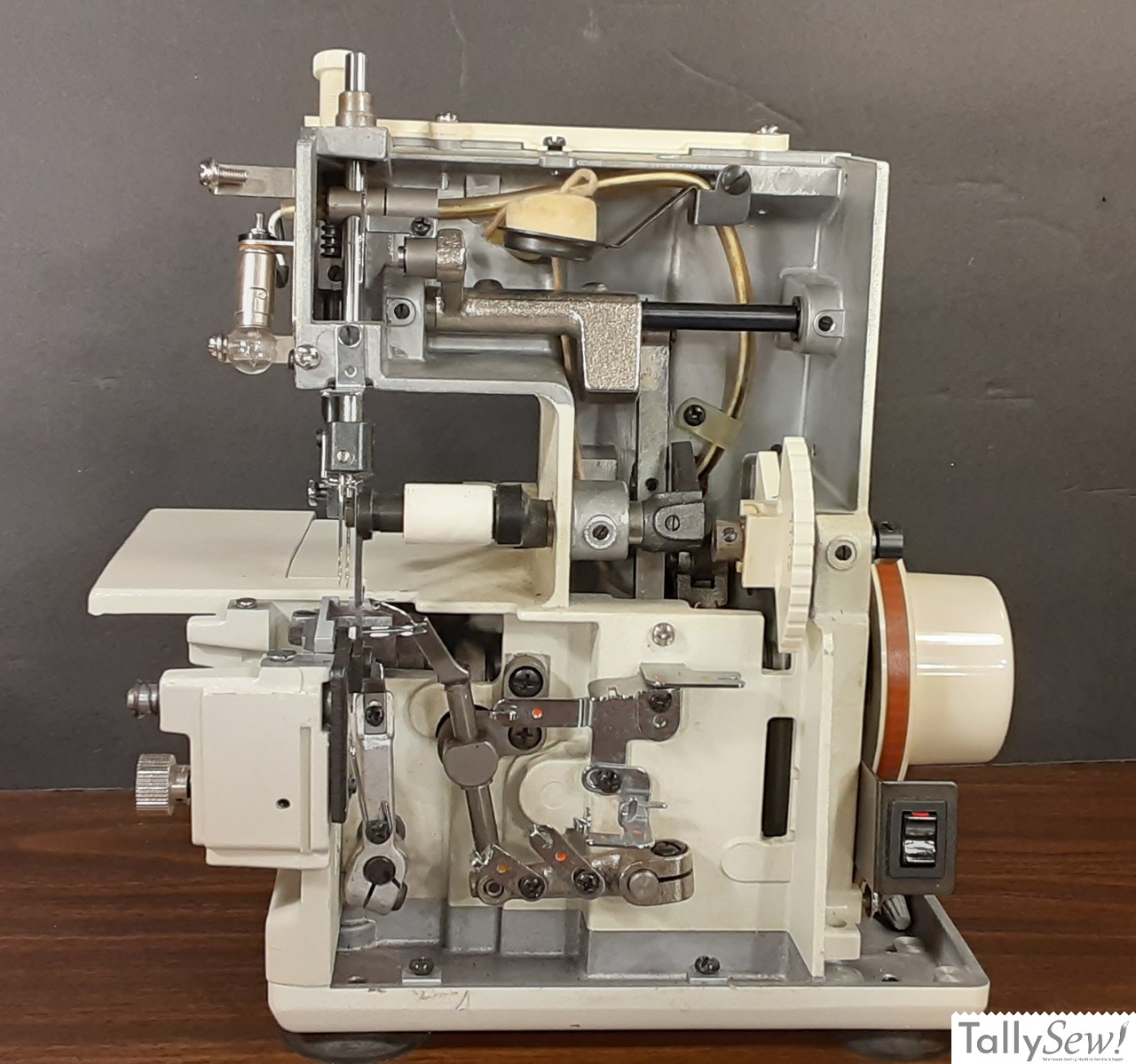
Like most overlock machines of the era, the Singer 14U44 has a metal subframe.
Parts identification and a few notes
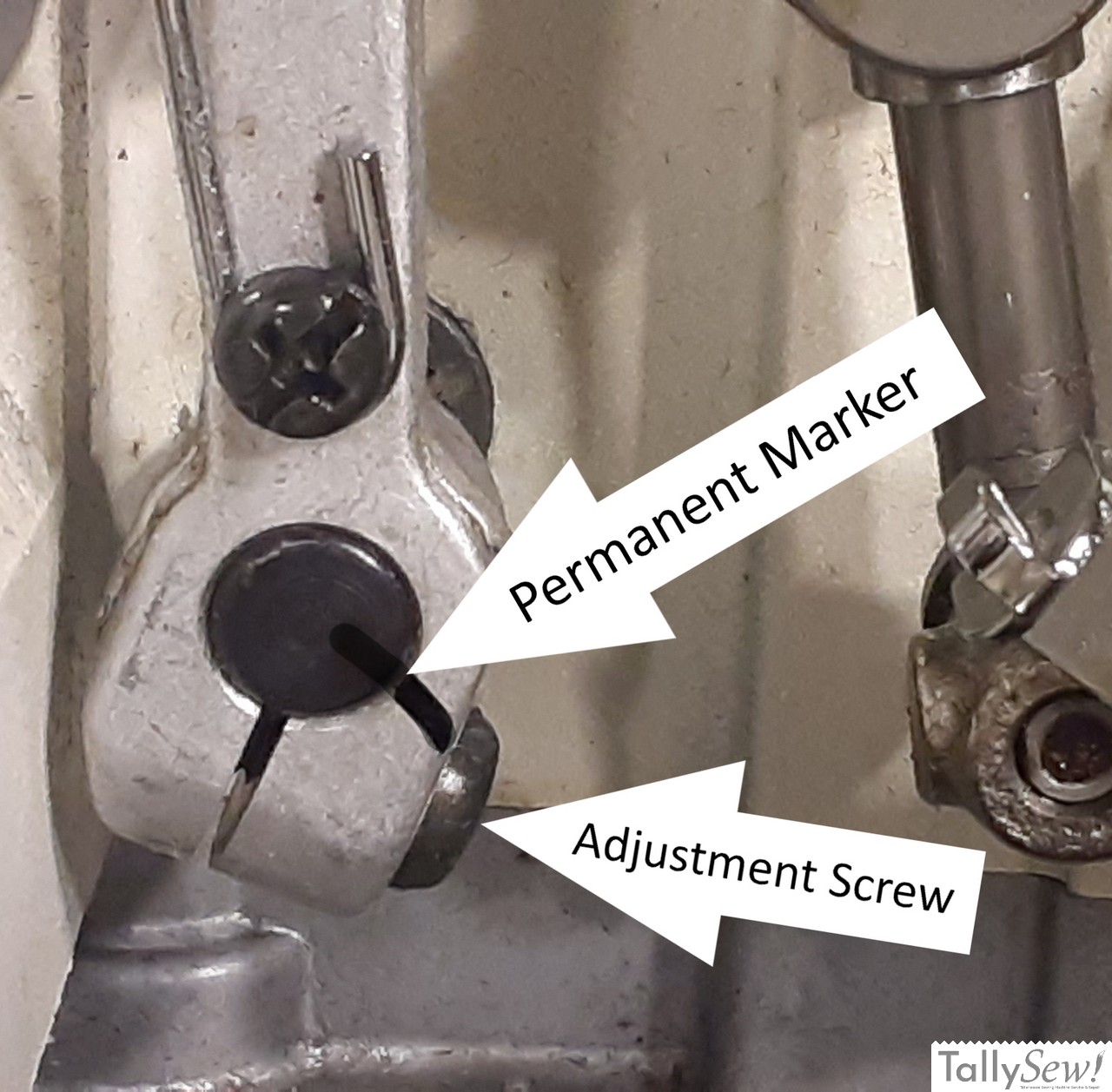
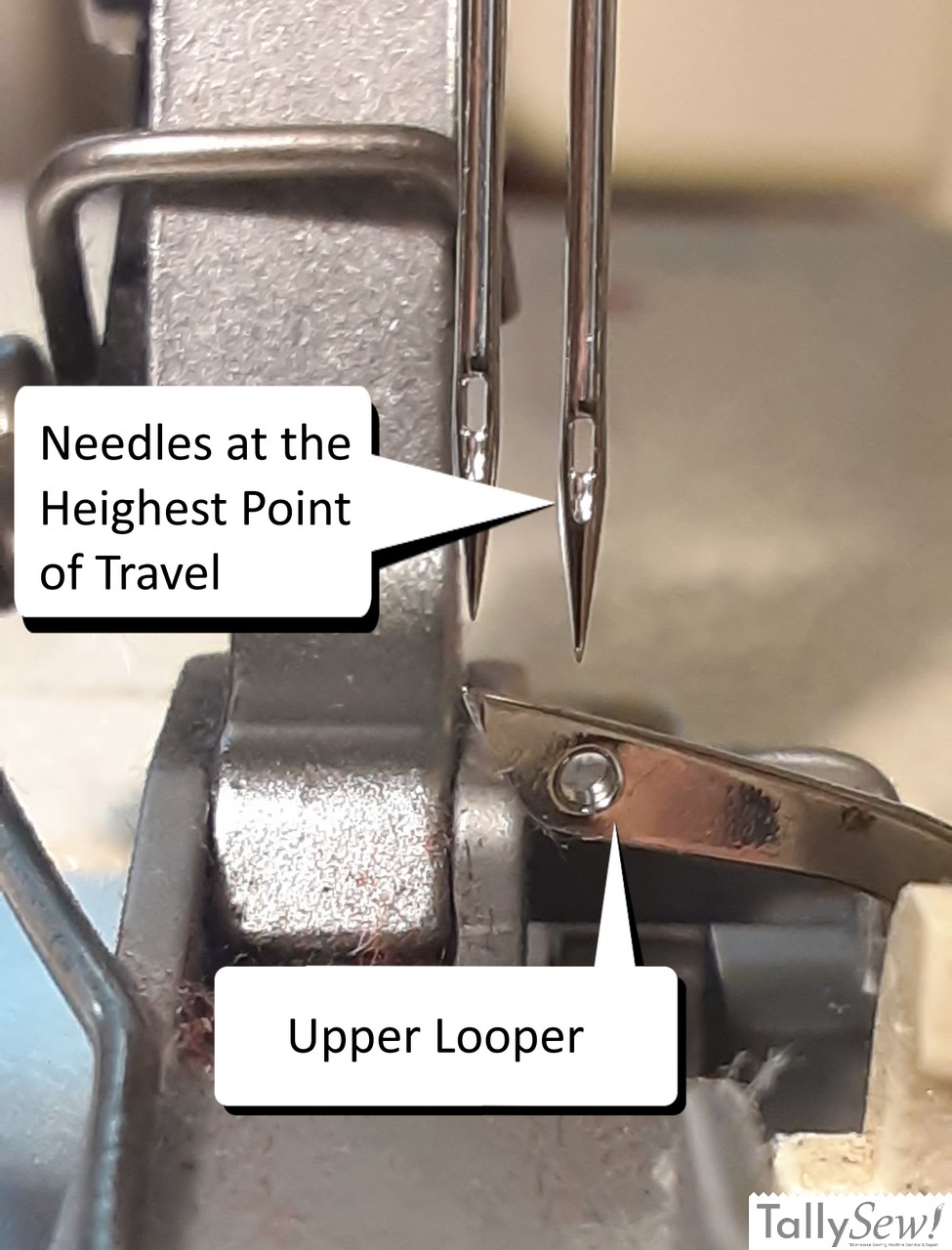
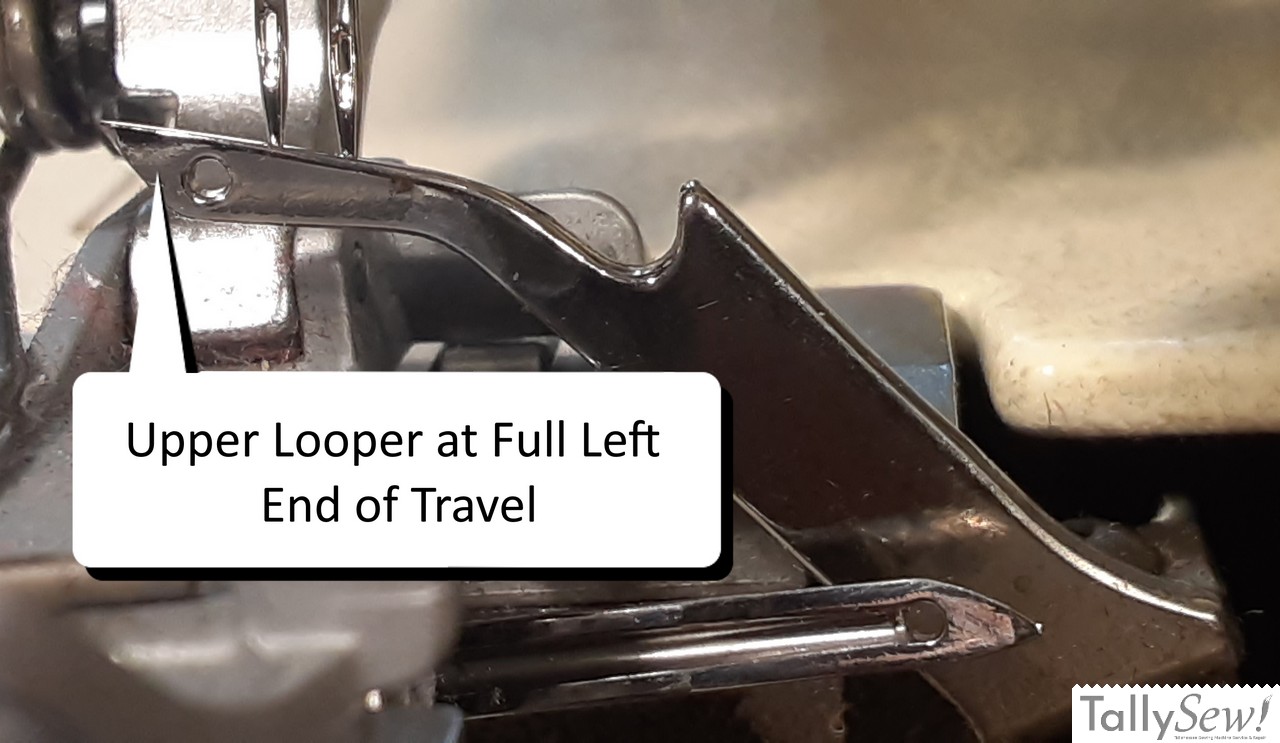
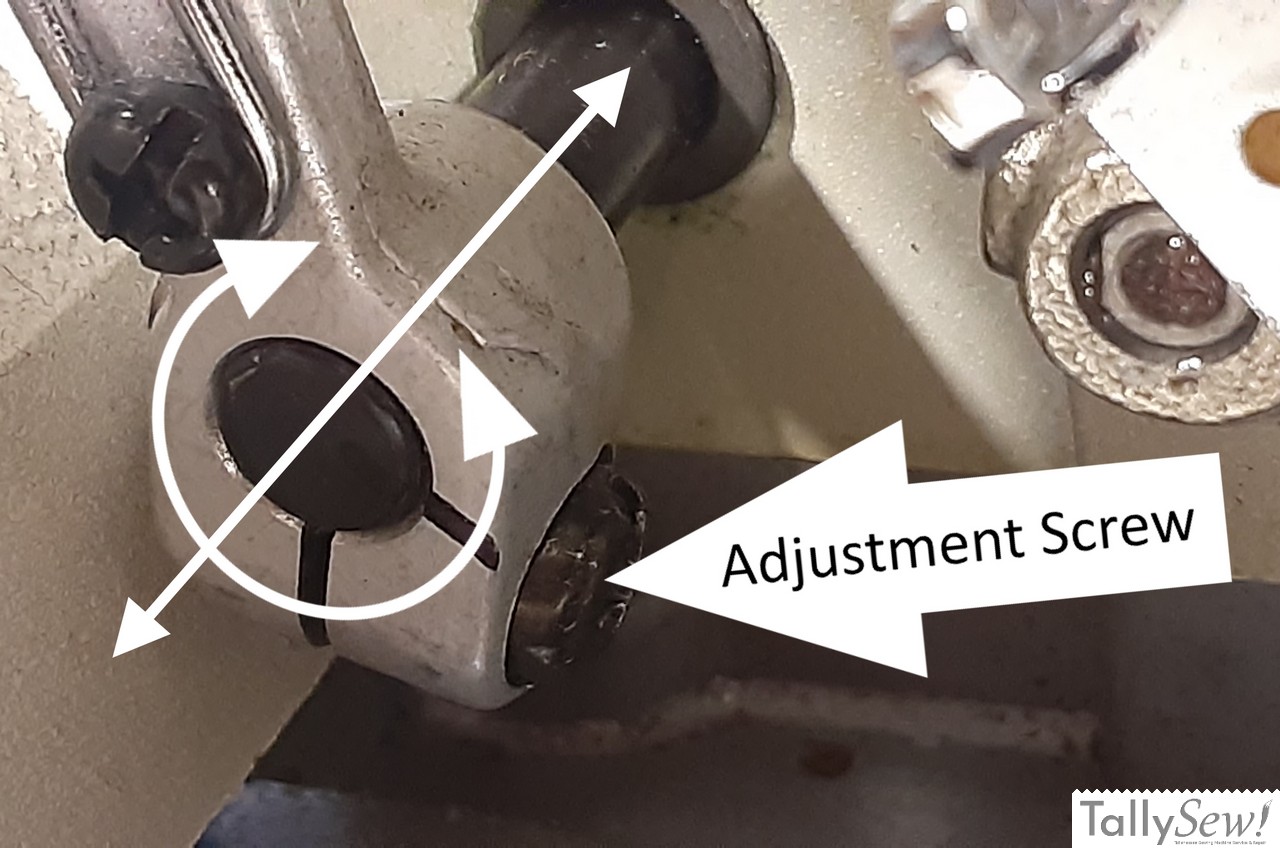
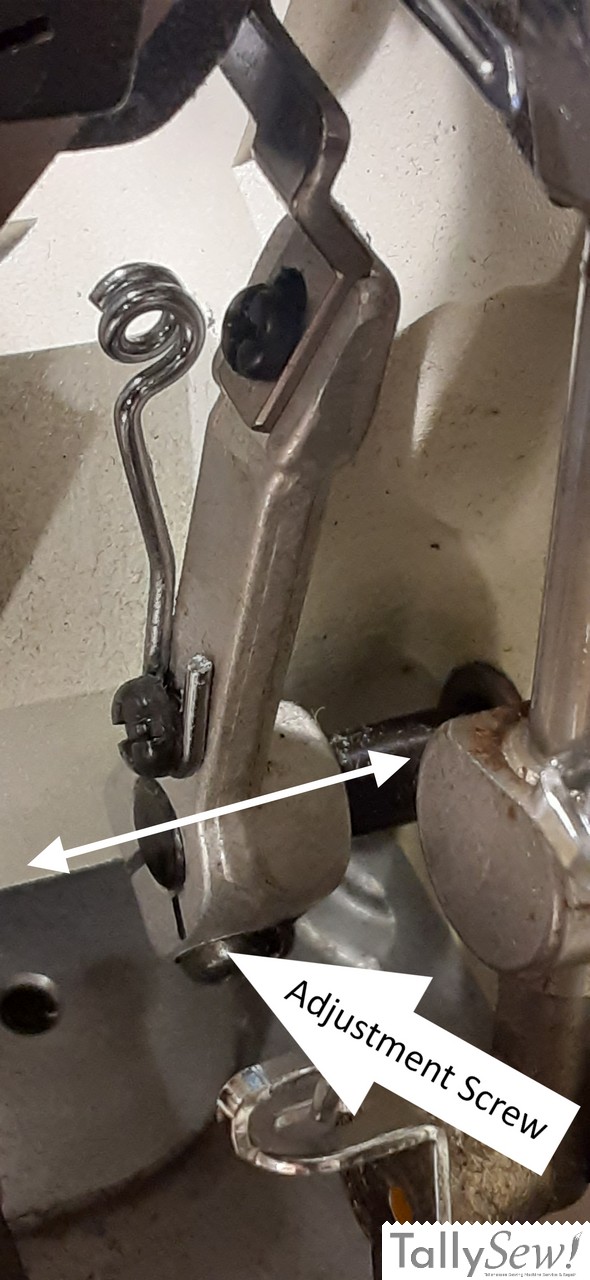
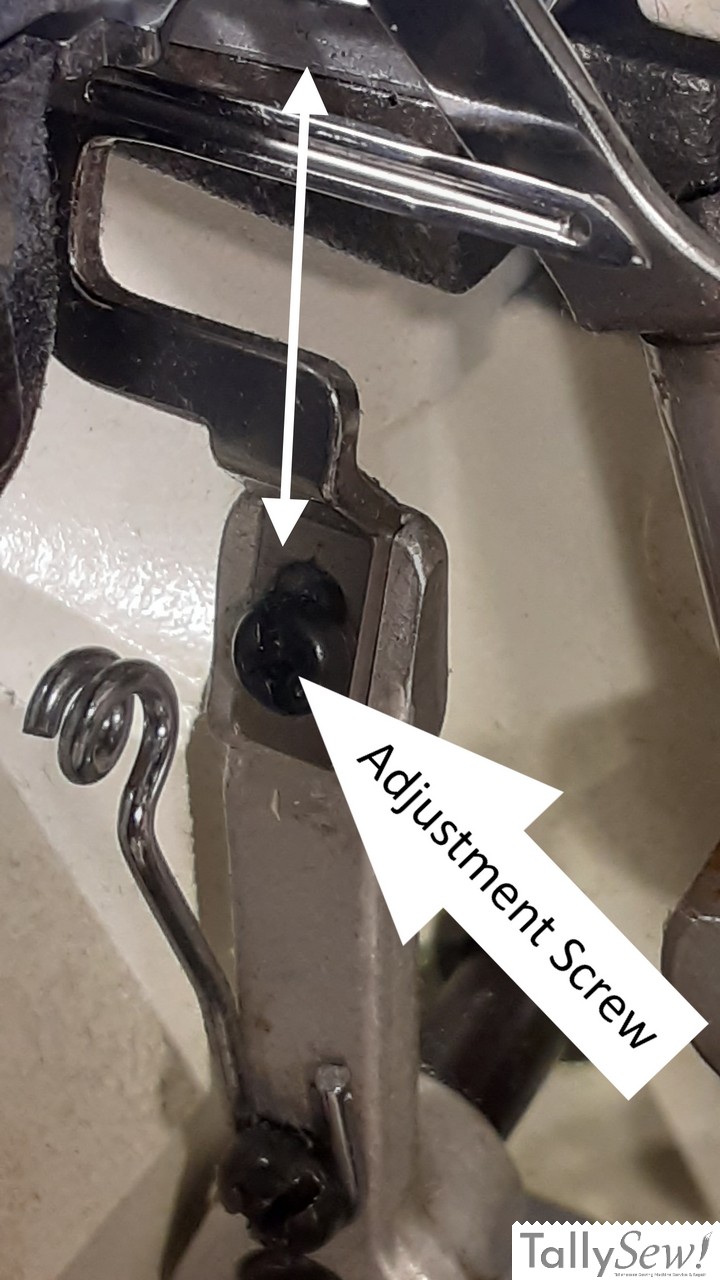
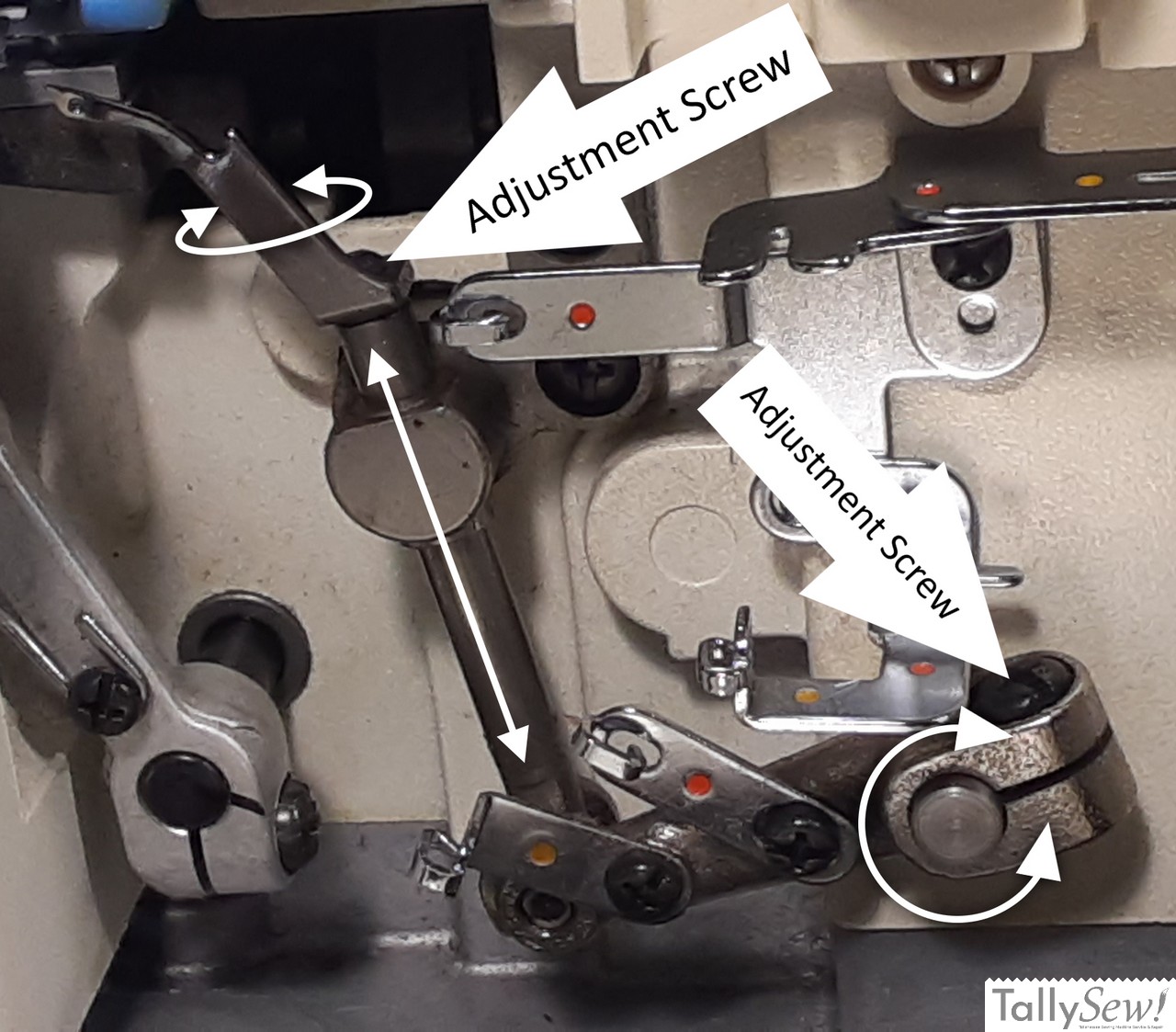
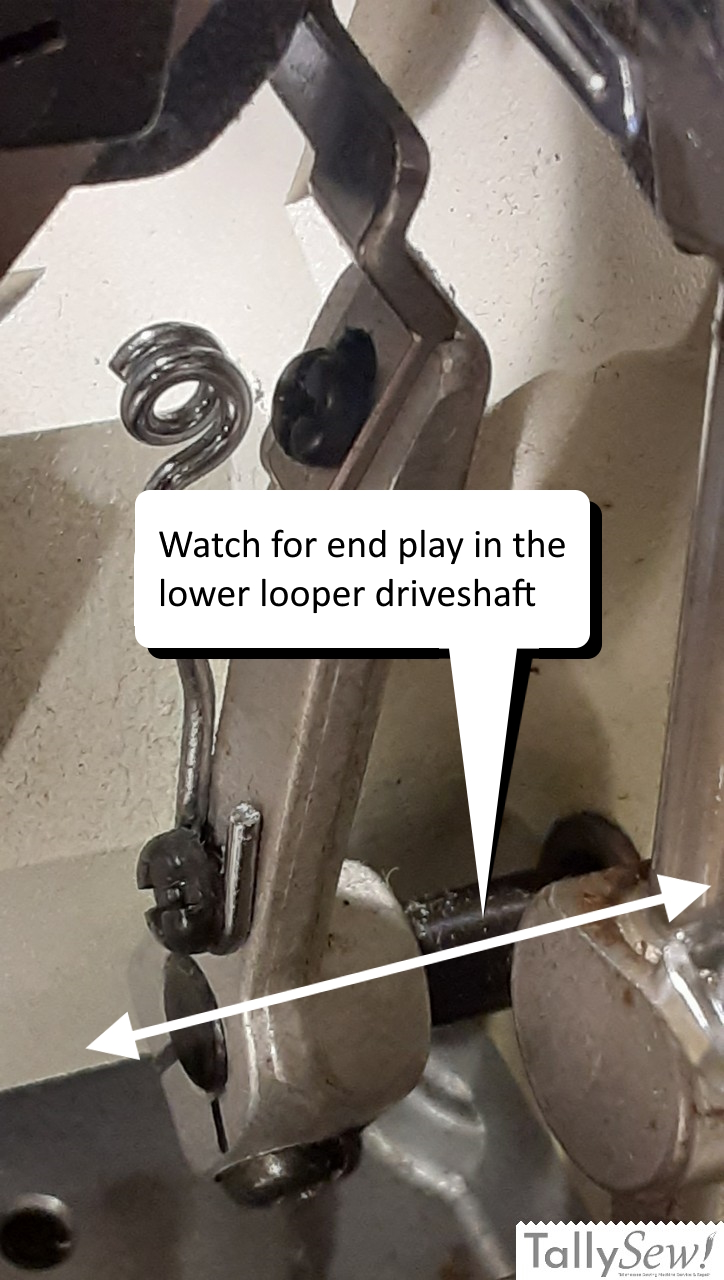
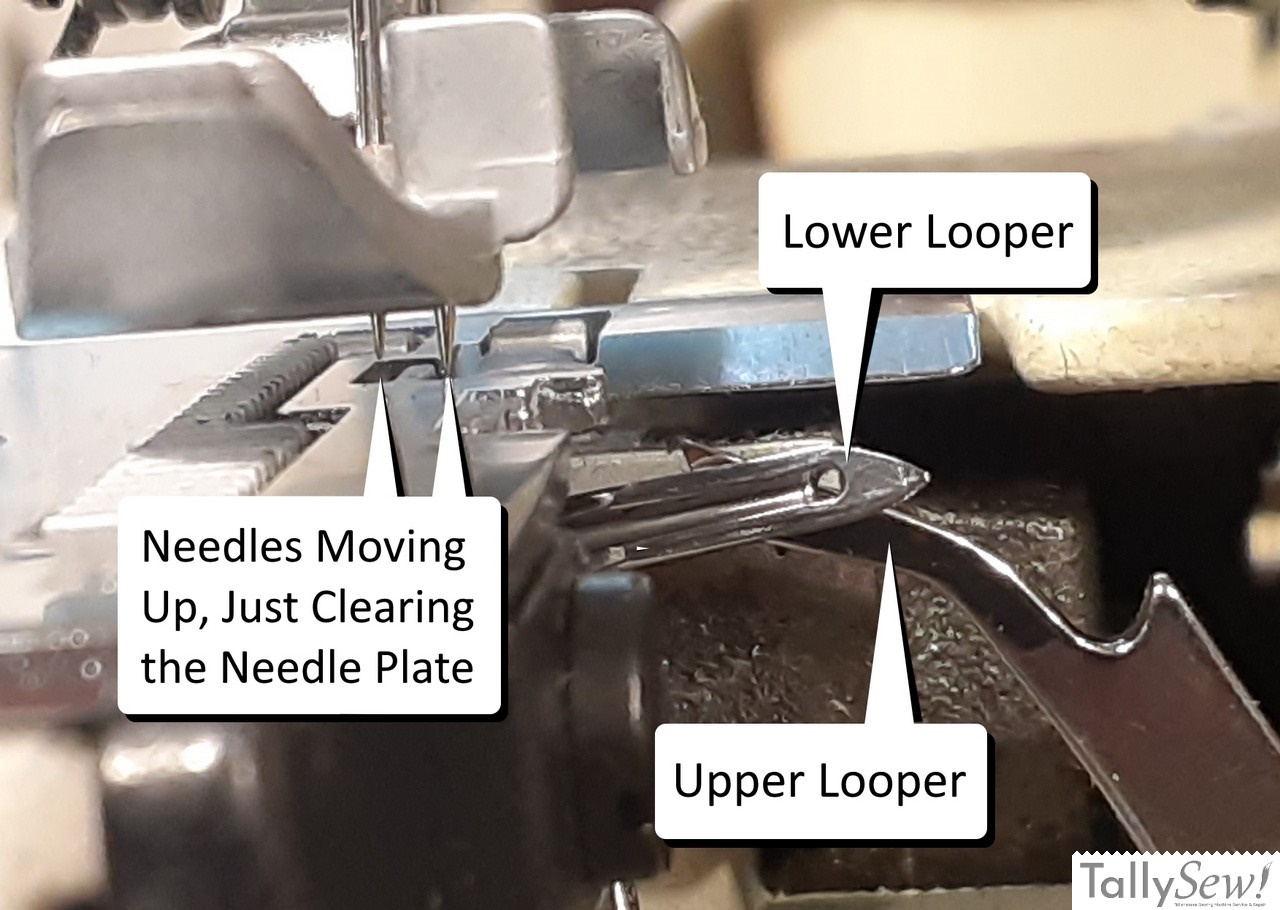
I’m not going to go into the adjustments needed to time one of these machines, but tutorials can be found on YouTube if you’re willing to do a little searching. I will say that timing a serger is far, far, more complicated than timing almost any household sewing machine. It’s more likely that you have the machine threaded wrong, that one or both of the needles is bent, or that you have the tension maladjusted than for the machine to be out of time. Make absolutely sure it’s an actual timing issue before you start tinkering, and don’t be surprised if you end up having to take it to your local repair person. Note: If you’ve made it worse by tinkering it’s probably going to cost more to have it repaired, so tinker at your own risk. You have been warned.