Kenmore 158.460
Last Update: 2025-01-03
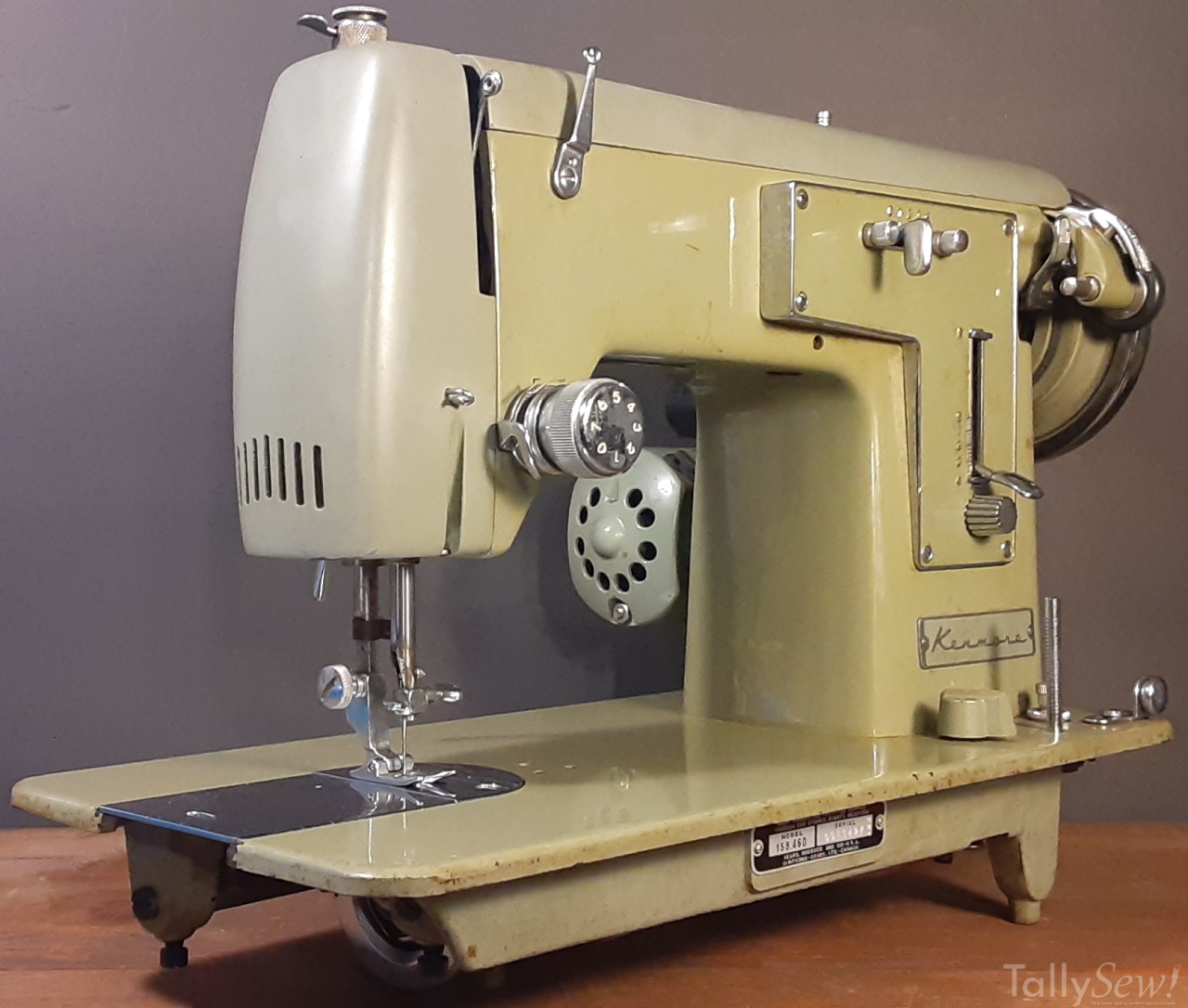
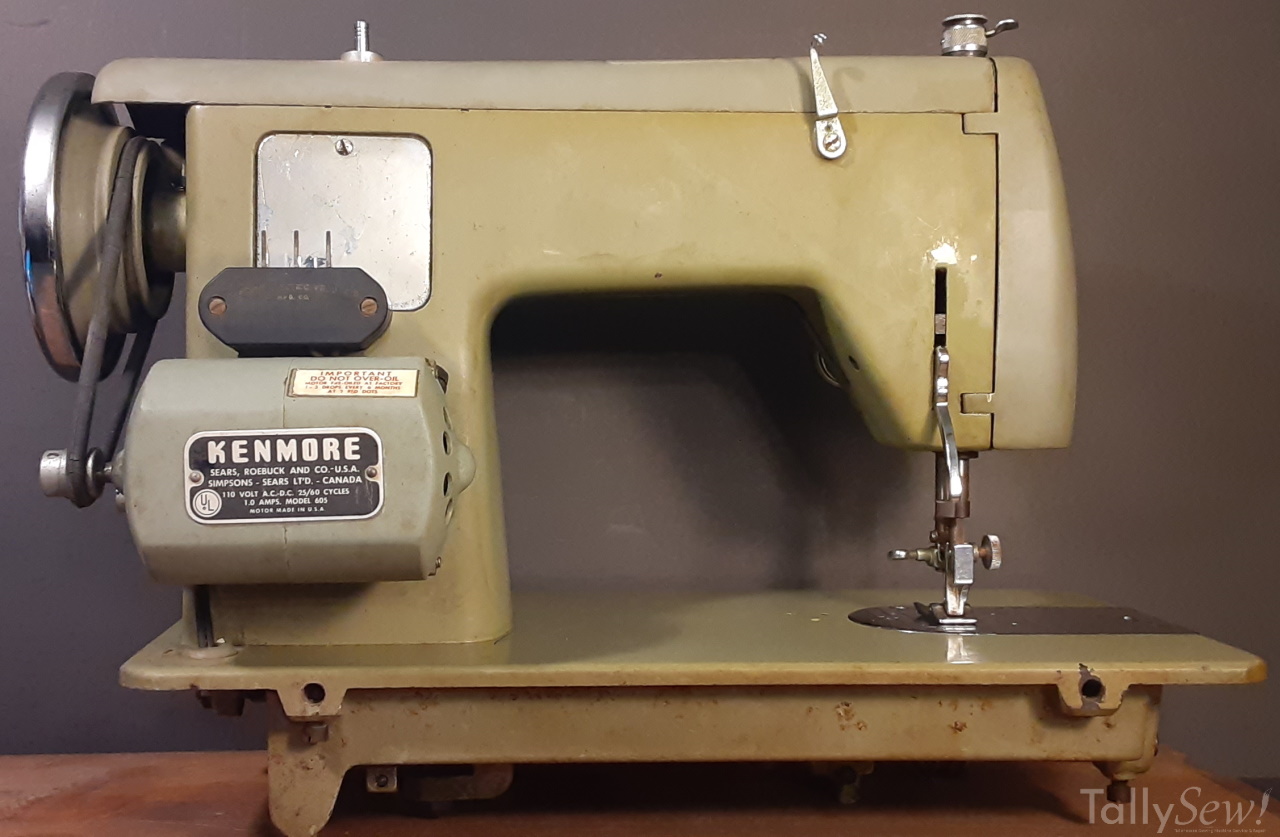
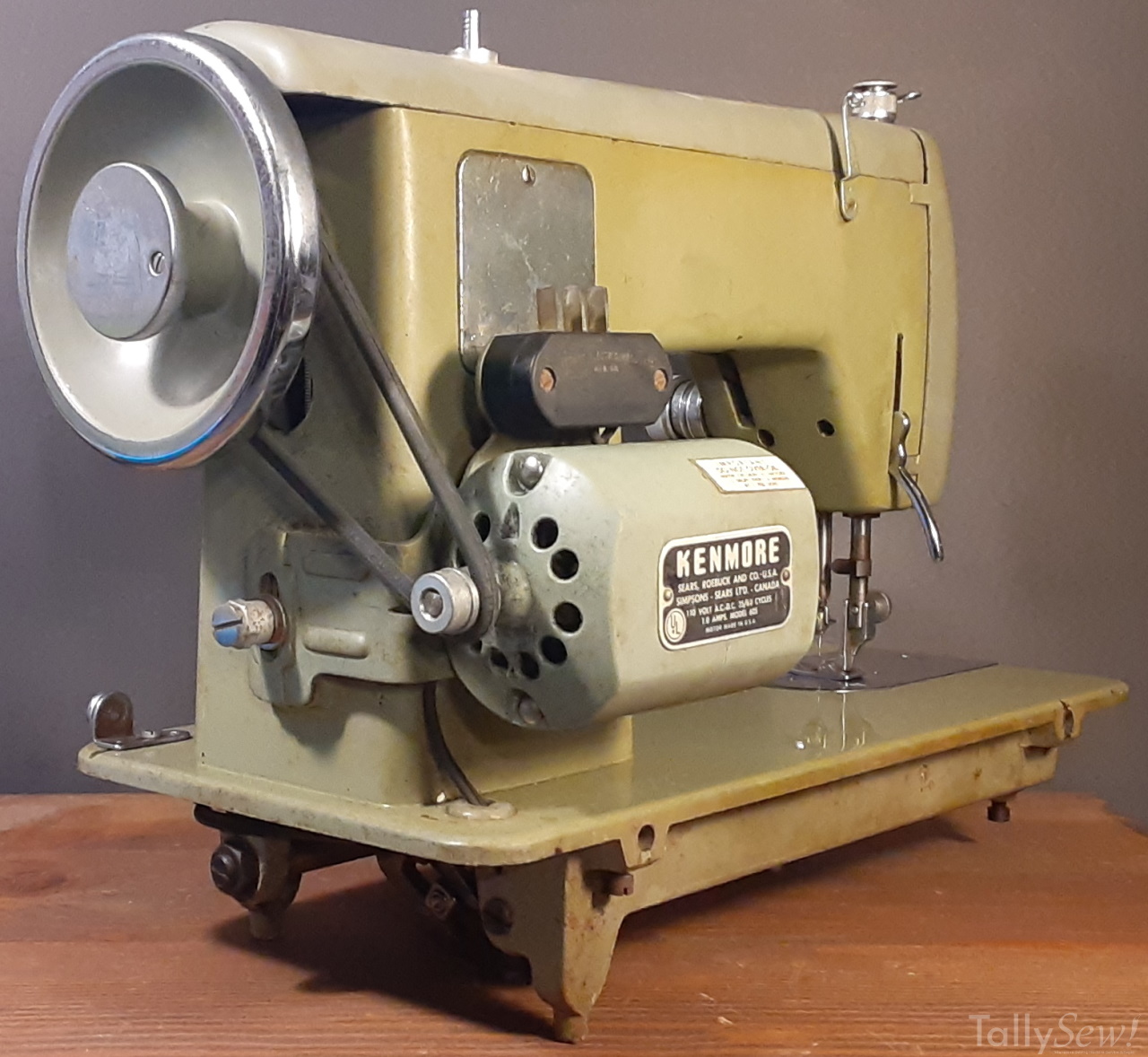
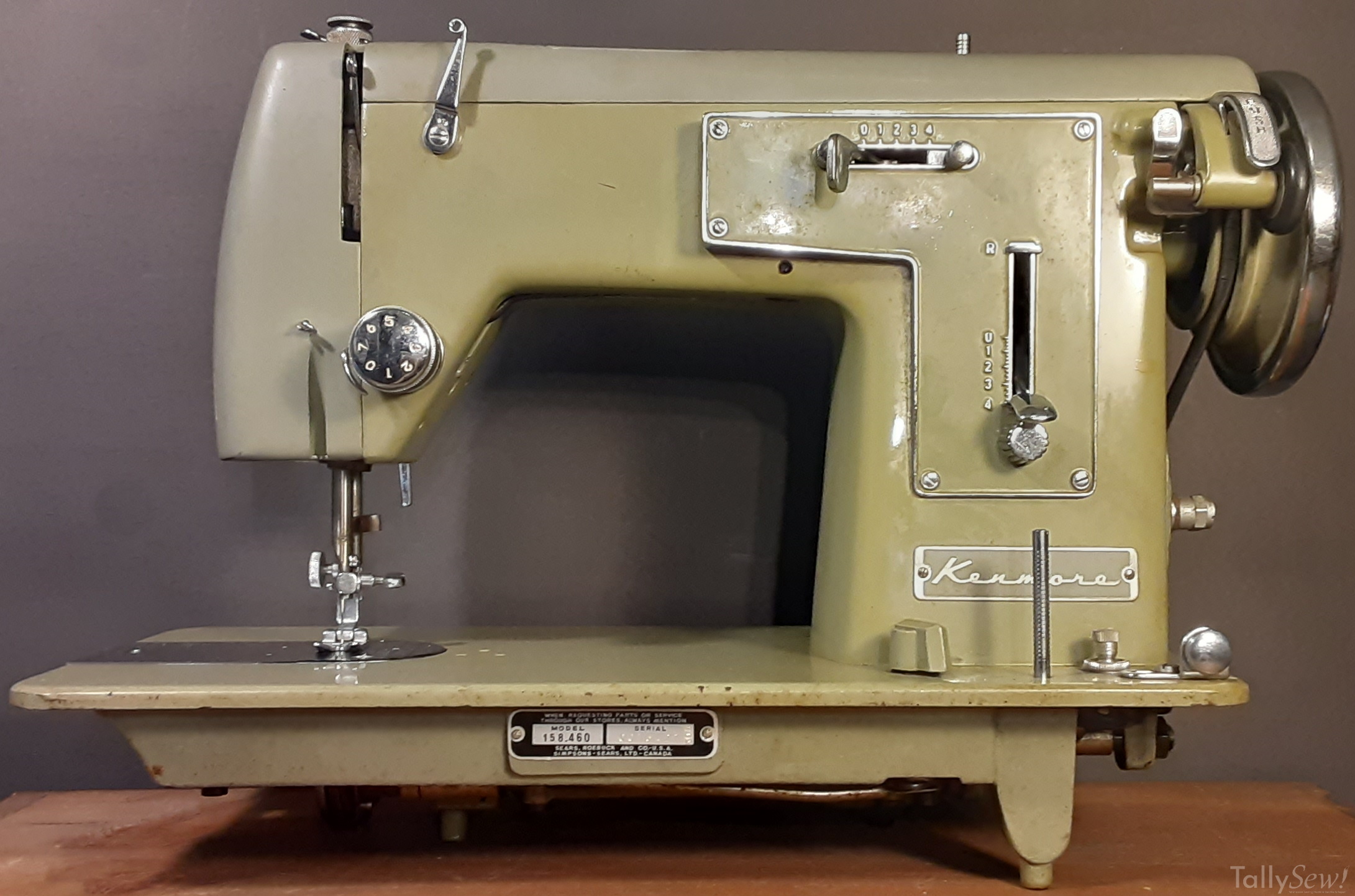
Advertised in the 1961 Sears Spring/Summer catalog for $99.95 (or approximately $1,083 at the time of this writing), the Kenmore Model 46 was manufactured in Japan by Jaguar/Maruzen and included 8 stitch pattern discs.
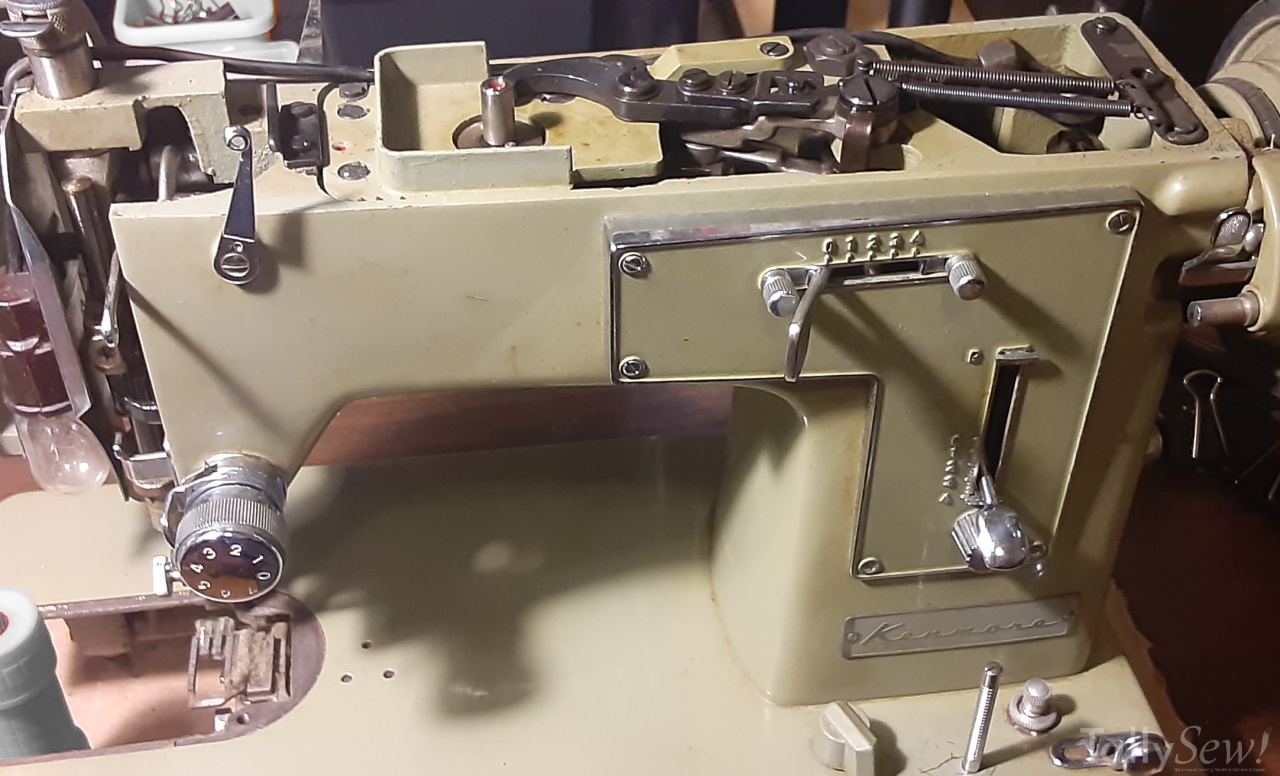
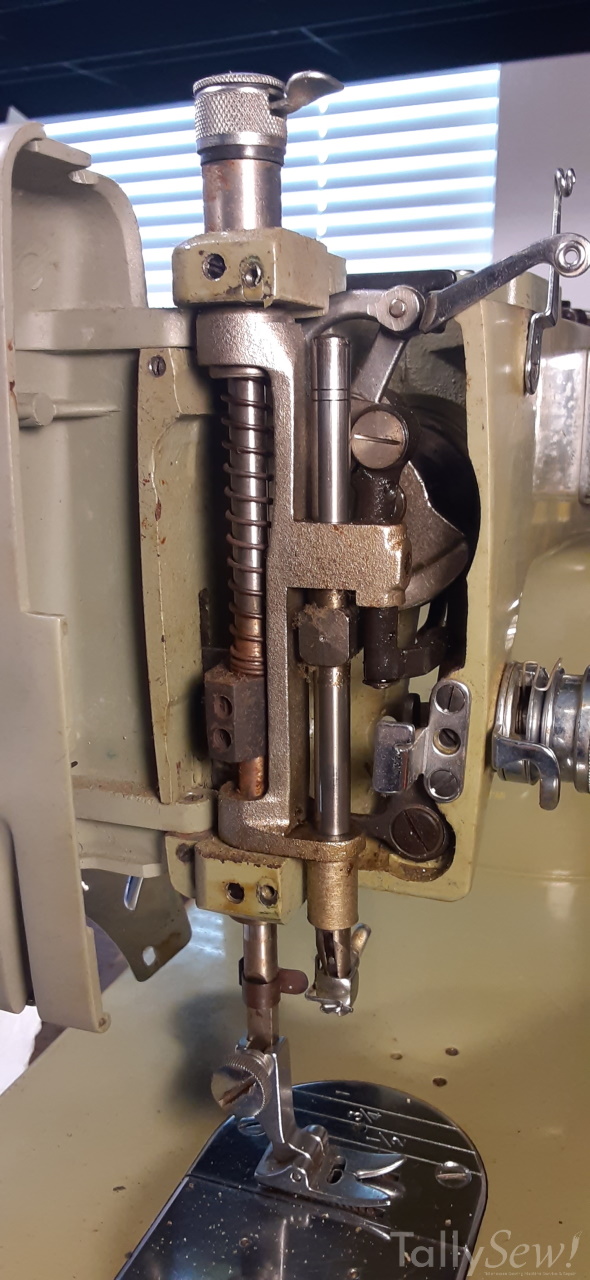
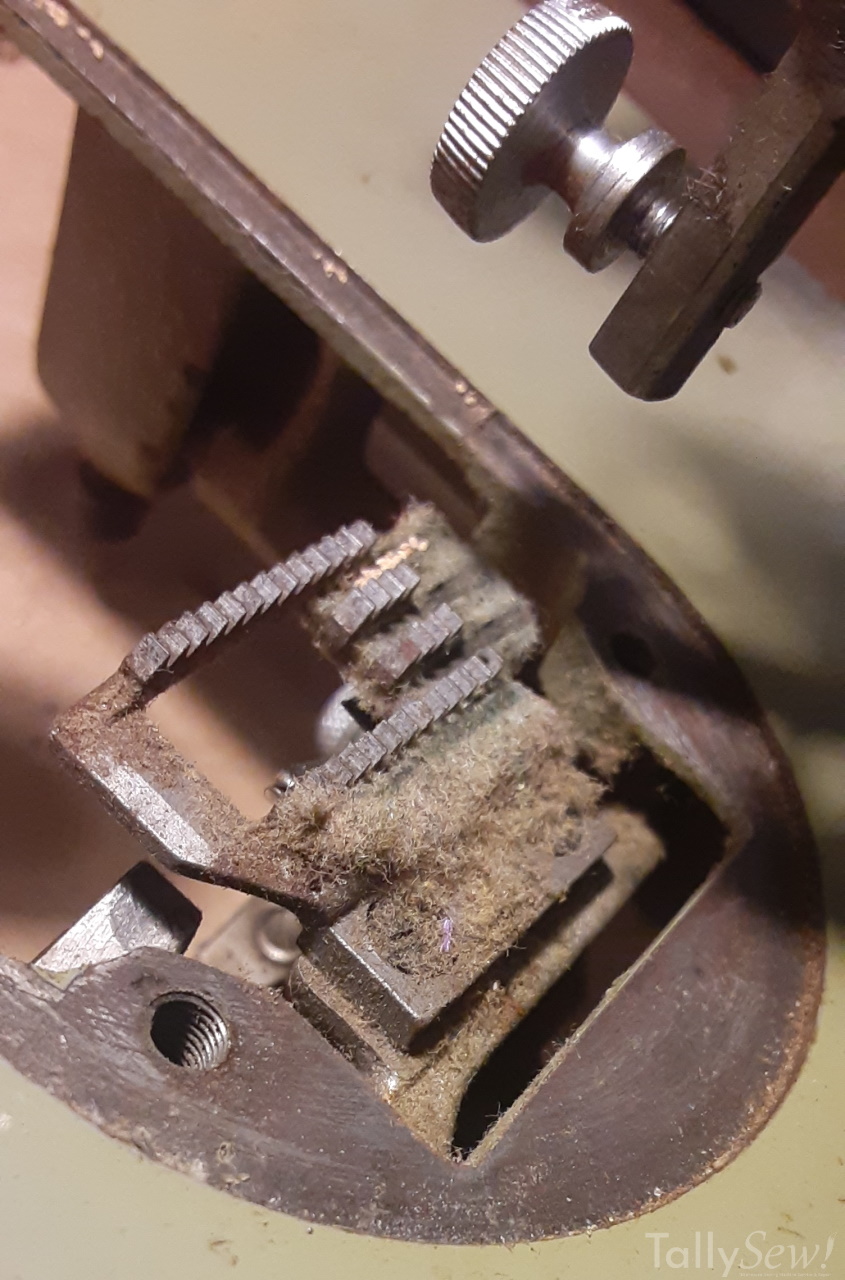
I came across this Kenmore 46 at a thrift store while I was actually there to buy a different machine I’d seen on Craigslist. The machine itself was very dirty, but it was in overall good condition. It was in a cabinet that was in such bad shape that I later salvaged the hardware and just threw the rest out.
Once home, I removed the top cover to see what I was dealing with. It was full of dust and old oil. The mechanisms were a bit stiff, but after adding a drop or two of sewing machine oil to the main bearings, needle bar, and the rocker bars underneath, everything loosened up nicely.
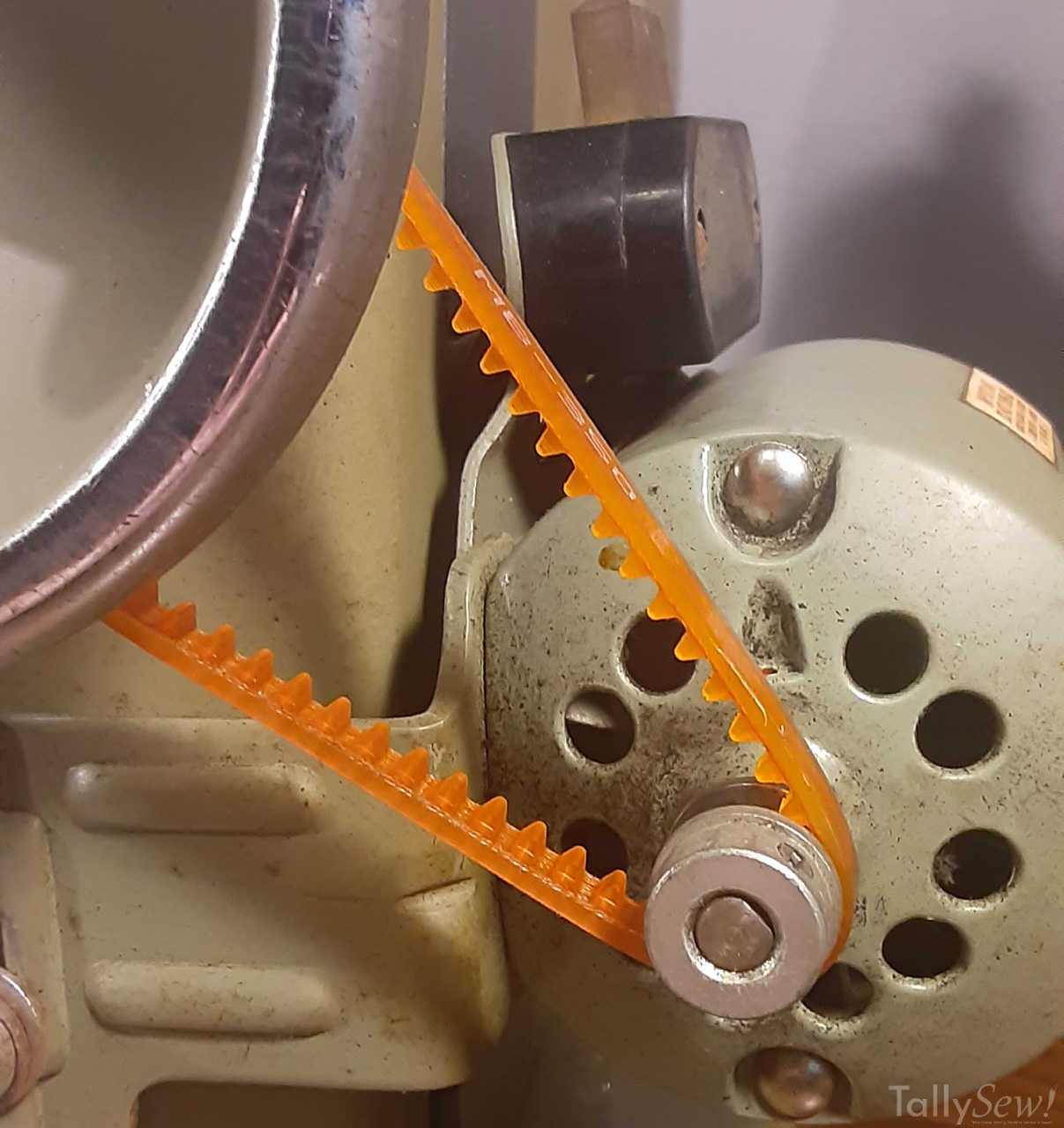
I’ve replaced the too‑short V‑belt (in the photo) with a standard Singer round belt, which works well. The original belt was broken, and the spare I’d found in the cabinet was rotten.
Drive Train
Kenmore is noted for being one of the last sewing machine brands to move to plastic gears, and this machine pre-dates that decision by more than a decade. This is an all metal machine, save for things that are never metal, like the belt, wires, light bulb, etc.
Hook Assembly
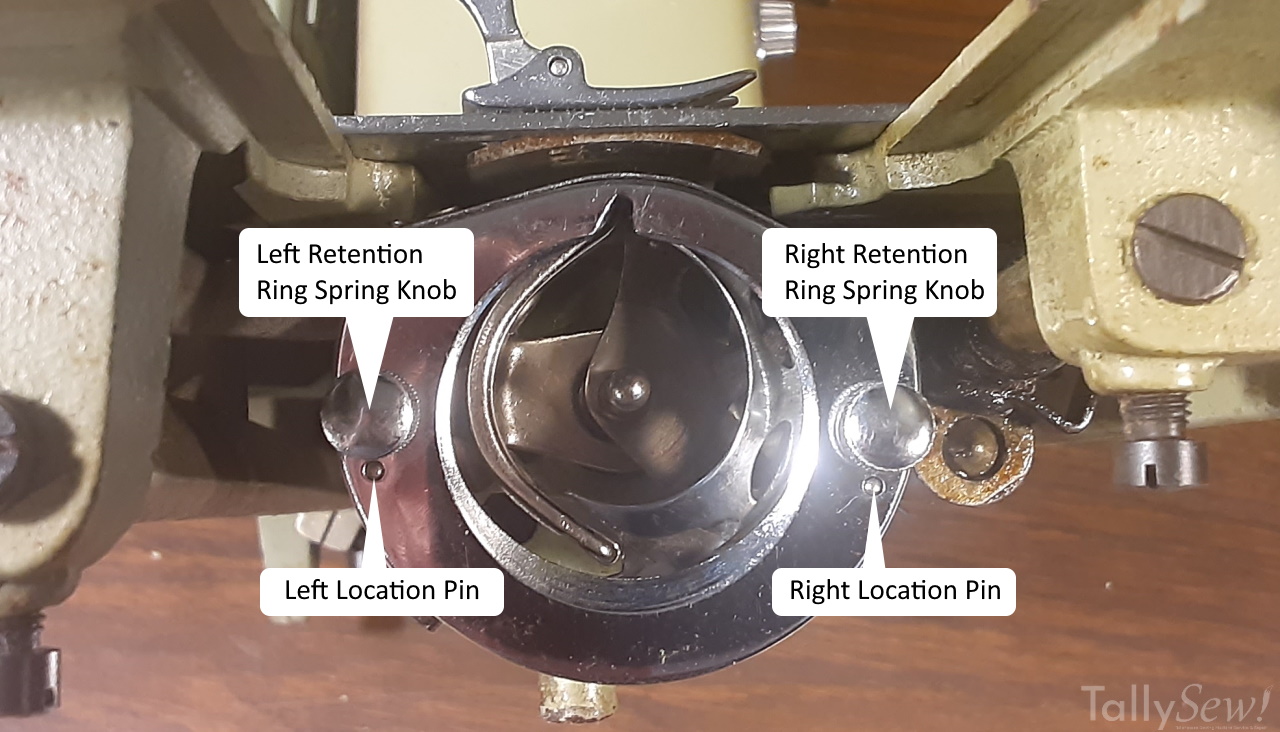
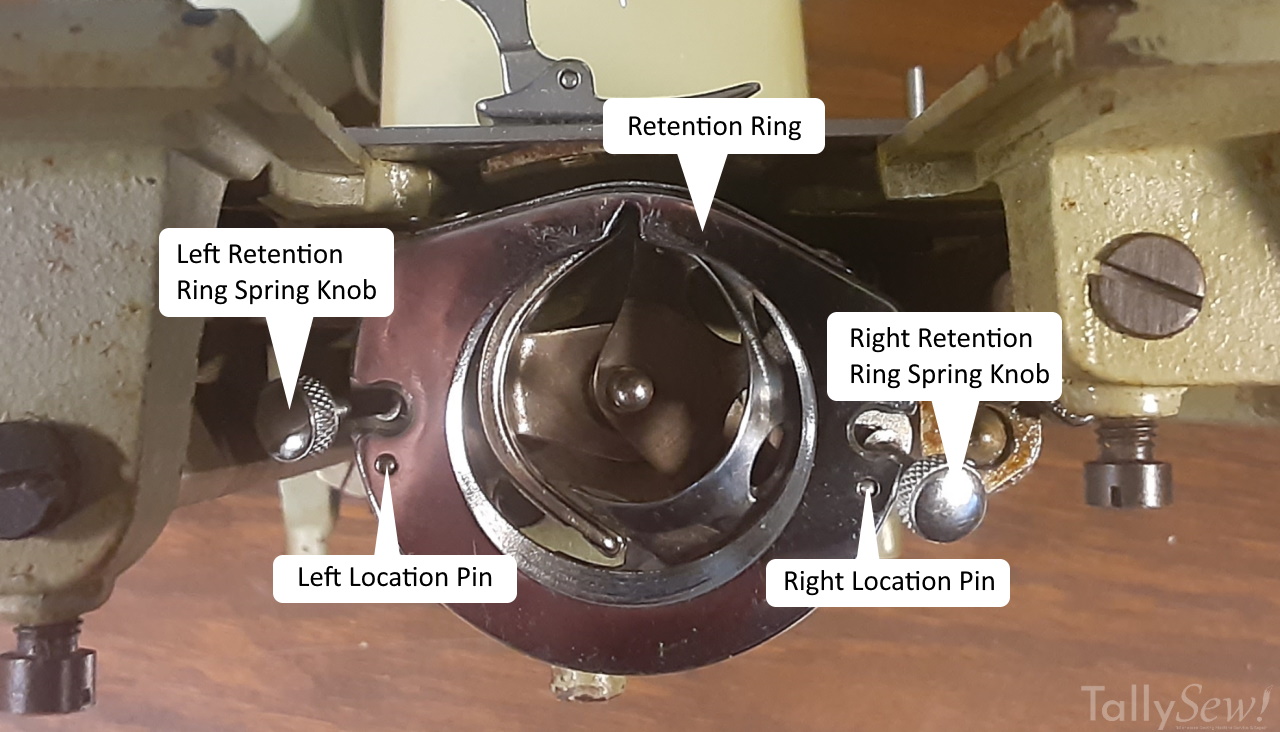
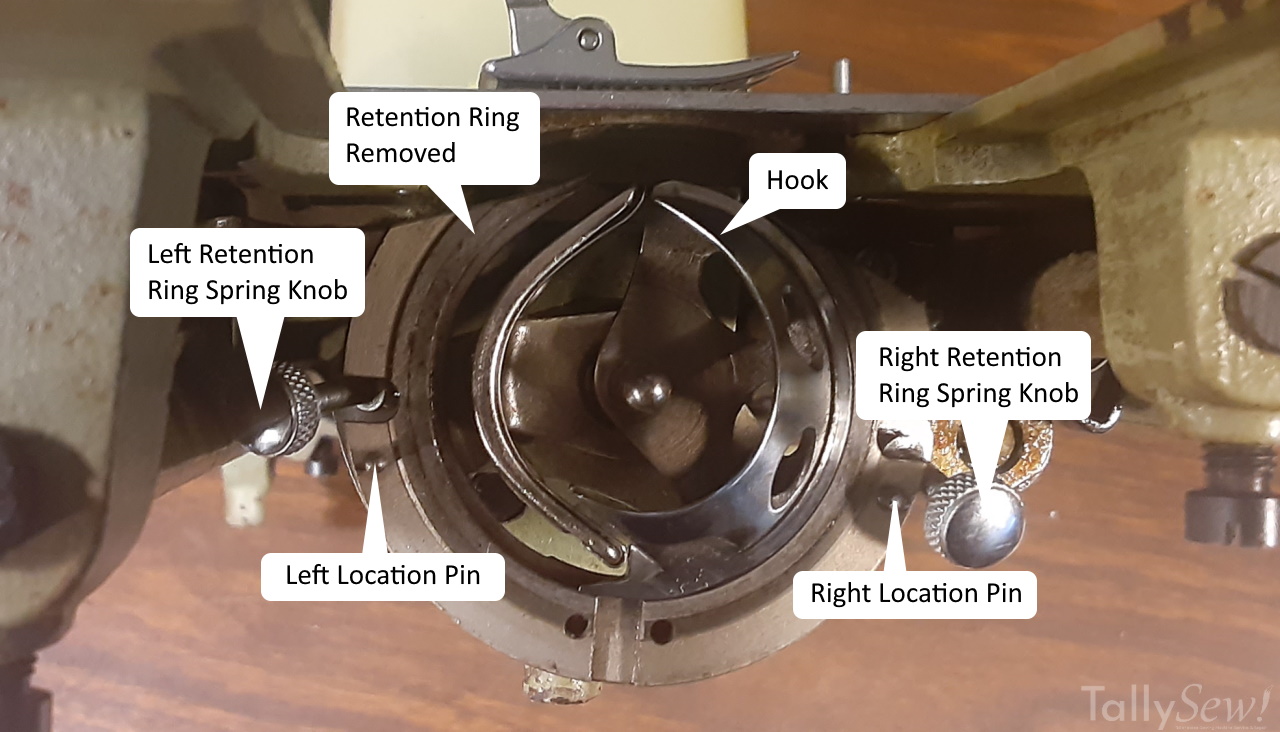
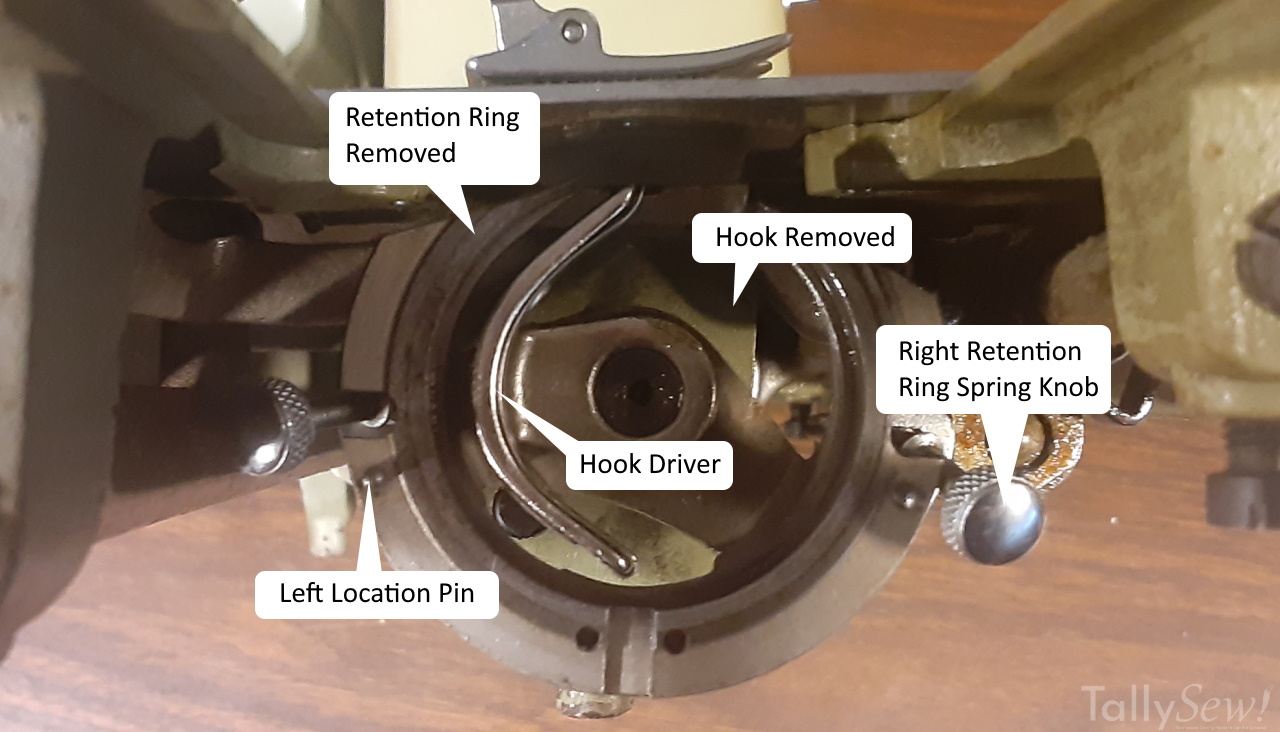
First, remove the bobbin case and bobbin from the machine. The bobbin case and bobbins for this machine are standard class 15. This machine was designed to use metal bobbins, but since the bobbin case is made of metal you can use bobbins made of either plastic or metal.
Unlike newer machines the Kenmore 46 uses metal retention ring springs with metal knob retainers. The knobs look like you would turn them to loosen, but they are spring-loaded so you simply push each one away from the center of the assembly.
Bobbin Case and Bobbins
This particular machine seems to be picky about both bobbins and the bobbin case used. I disassembled the bobbin case that was included with the machine and cleaned, deburred and gave it a light coat of oil. I went through my bobbins and found a couple that the machine seems to like. I think the issue is that the tolerances are tighter on this machine than than on more modern examples. The issues I was having was that either the material would gather because the bobbin thread was getting over tensioned, or the machine would sew fine for a handful of stitches and then snatch the top thread as the lower thread became restricted.
Upon taking apart the bobbin case I found that the tensioner spring had been installed incorrectly leading to half of the issue the hook and bobbin areas were experiencing.
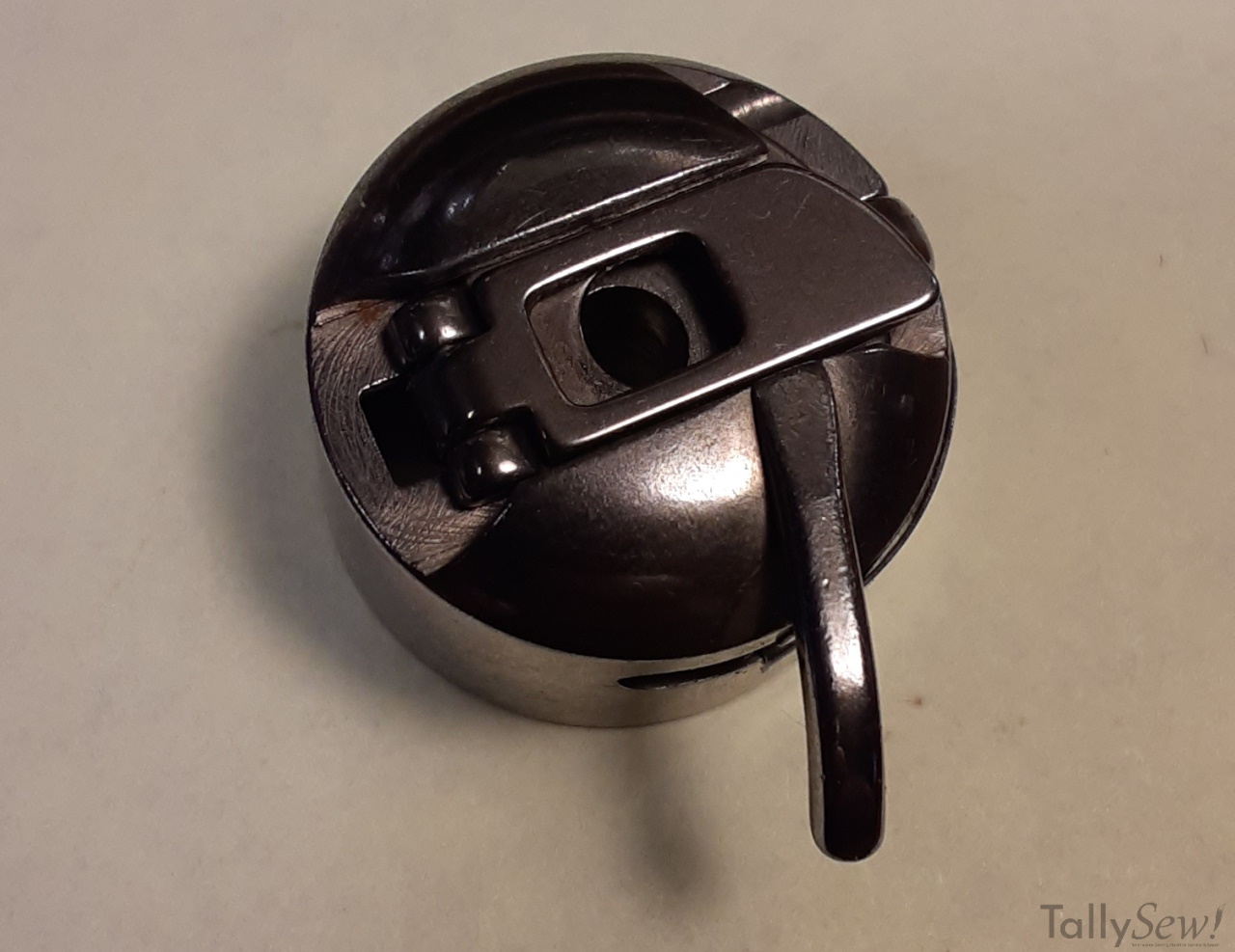
Ultimately the issue came down to finding a bobbin case and bobbin that were able to seat and lock onto the hook post. If it was tight, or you had to struggle to make it lock on it wasn’t going to work.
Control pedal issue
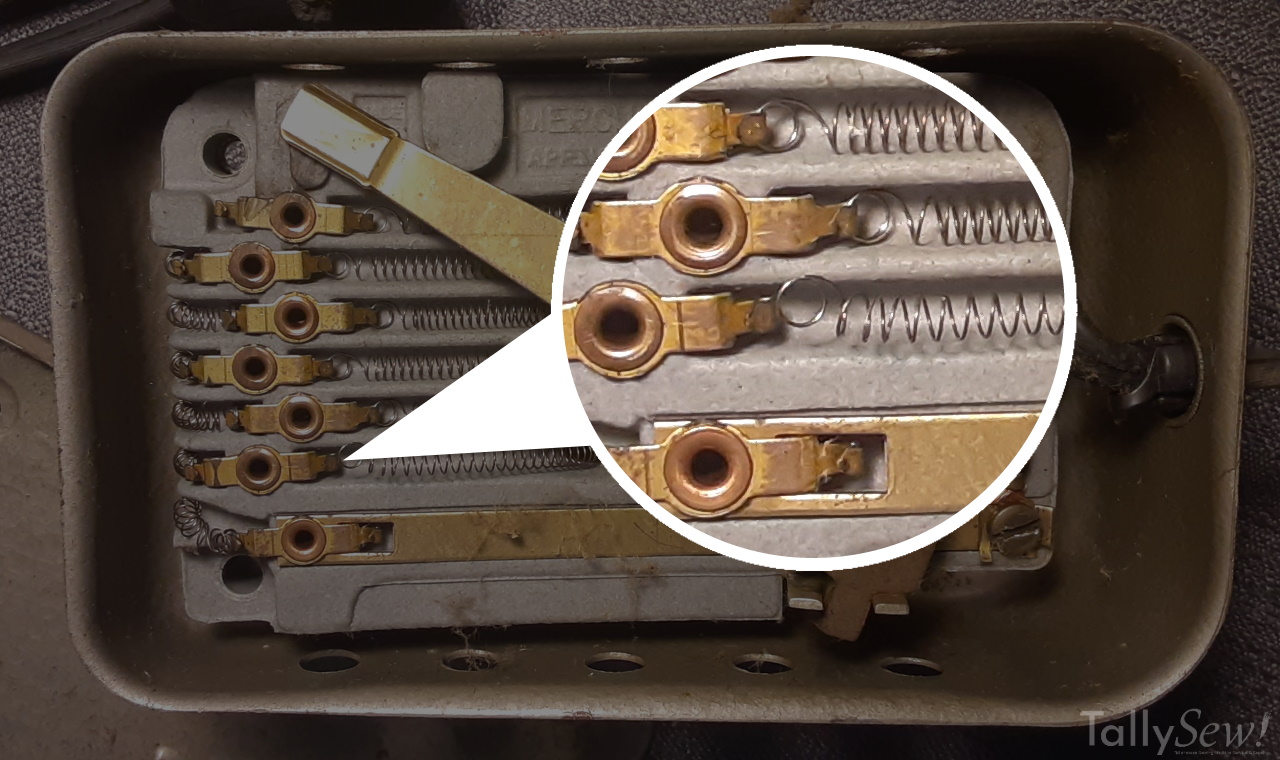
The control pedal that came with the 46 worked, kind of… It was all on, or all off, and this machine at full power is VERY, VERY fast. Before I had a chance to investigate the issue I had just run the power through a dimmer box, and this was fine for testing, but It wasn’t a permanent solution. I will create a separate article about how I fixed the issue since this really isn’t specific to this machine or even to the manufacturer. The very short version is that one of the resistor coils had become unattached, so I reattached it. Read More at: Rheostat Control Pedal Not Providing Speed Control
Stitch Pattern Disks or Cams
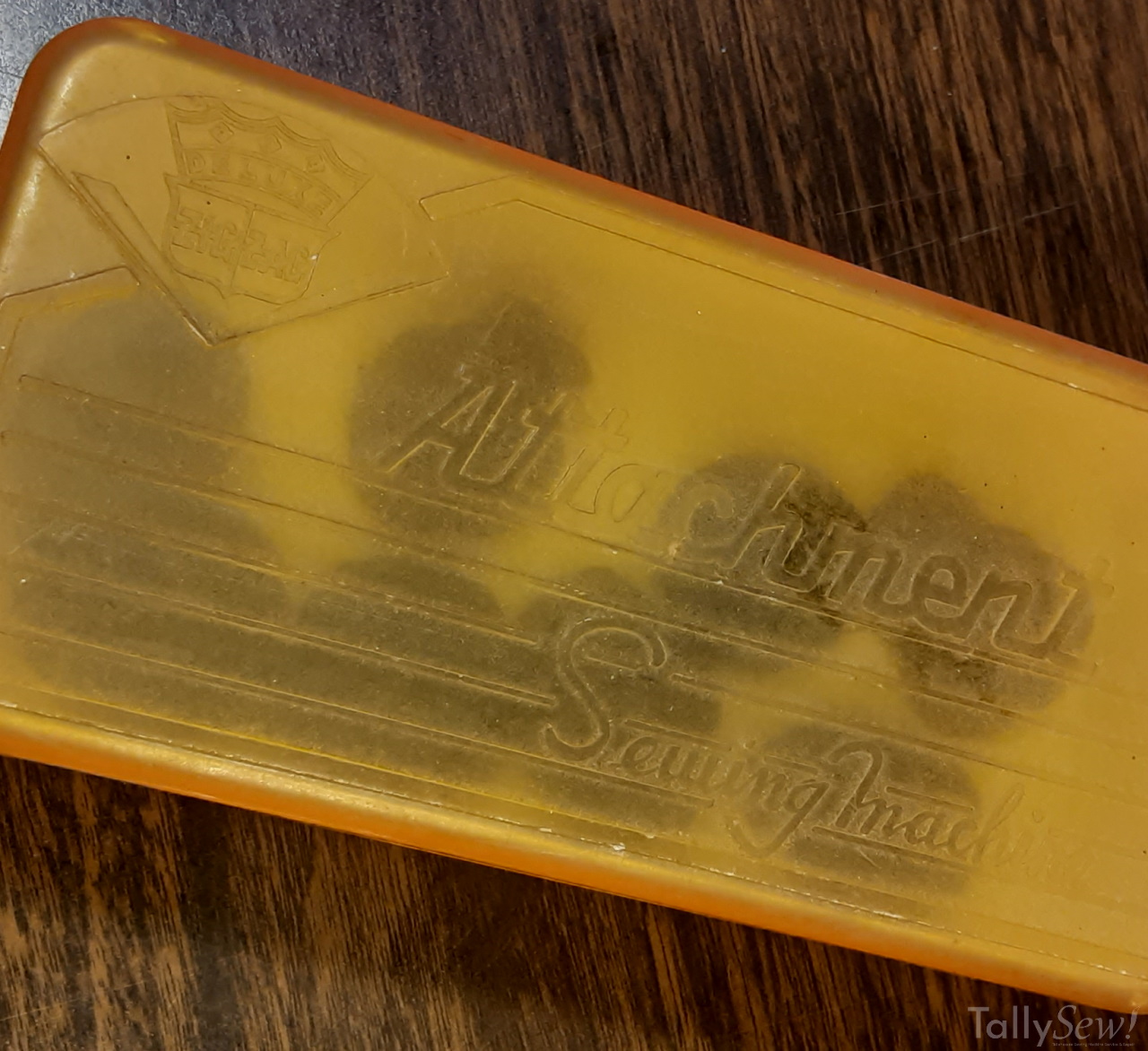
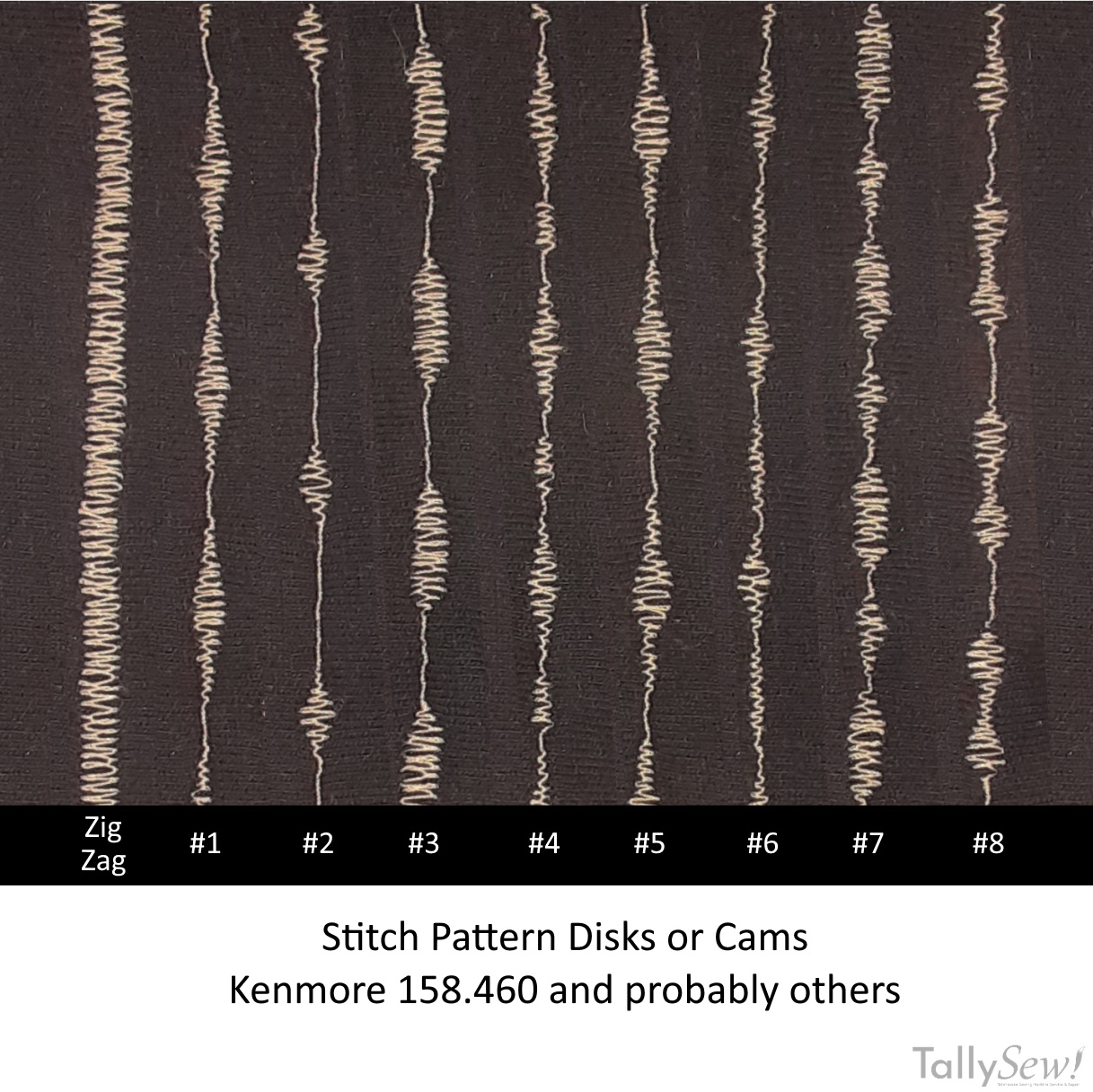
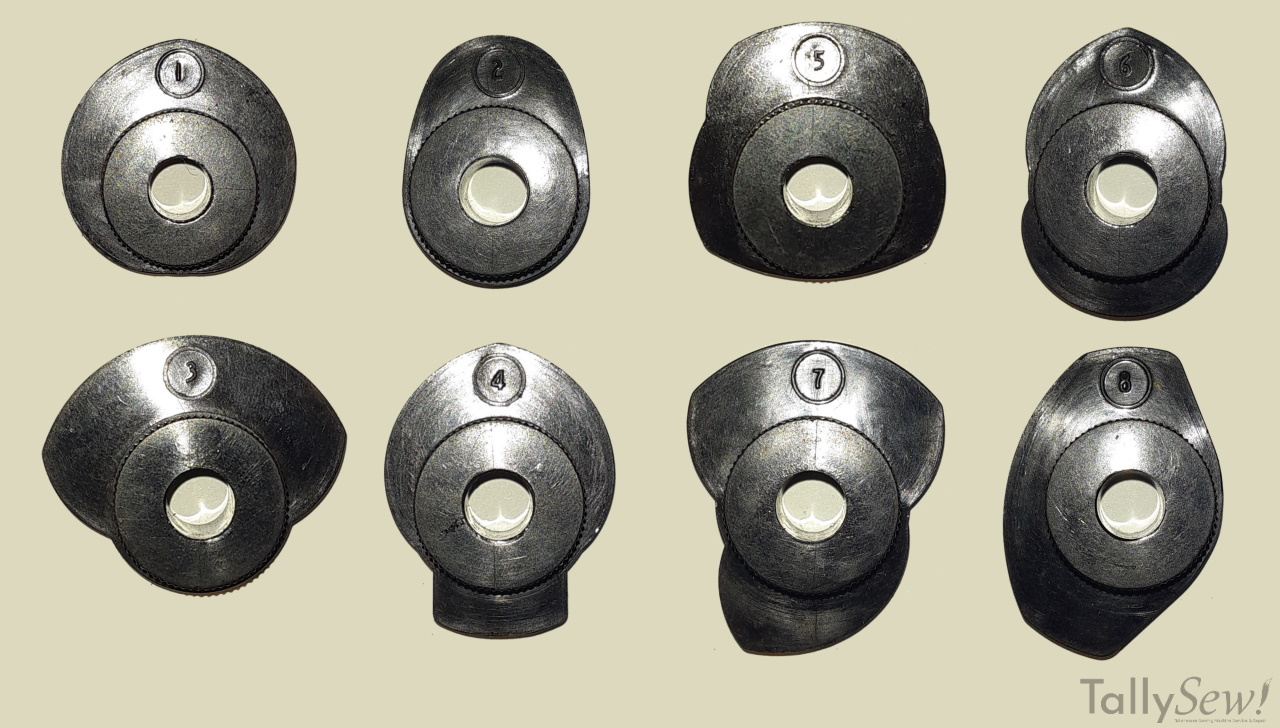
I was fortunate to have a set of stitch pattern discs, disks, or cams. Regardless of the name, they are basically a way of controlling the width of the zig zag stitch automatically. I imagine that when this machine was new this was far more impressive, but now it’s just a novelty. The zig zag on this machine isn’t very wide, and it’s difficult to dial in a short enough stitch to make it look really good. Novelty or not, these are a neat snapshot in the evolution of sewing machines and I’m glad to have them.
Kenmore 158.460 Specs
| Brand | Kenmore |
| Series | 158 |
| Model | 46 |
| Model Number | 158.460 |
| Years | 1958-1959 & 1961 |
| Machine Body | All Metal |
| Drivetrain & Gears | All Metal |
| Color | Two Tone Light Olive Green and a Slightly Lighter Olive Green |
| Feed Dog Drop | Yes |
| Motor | 1A Kenmore Model 605 Made in U.S.A. |
| Motor Mount | External, not covered |
| Foot Type | High Shank |
| Weight | 33 pounds |
| Hook Type | Oscillating |
| Bobbin Type | Class 15 |
| Belt | 14.75 x .25 inch v-belt I’m using a standard Singer replacement round belt on it and it’s working well. |
| Light Bulb | Light Bulb T7, 15 Watt |
| Accessories | This machine is designed to use stitch pattern cams. |