
Nelco R-1000
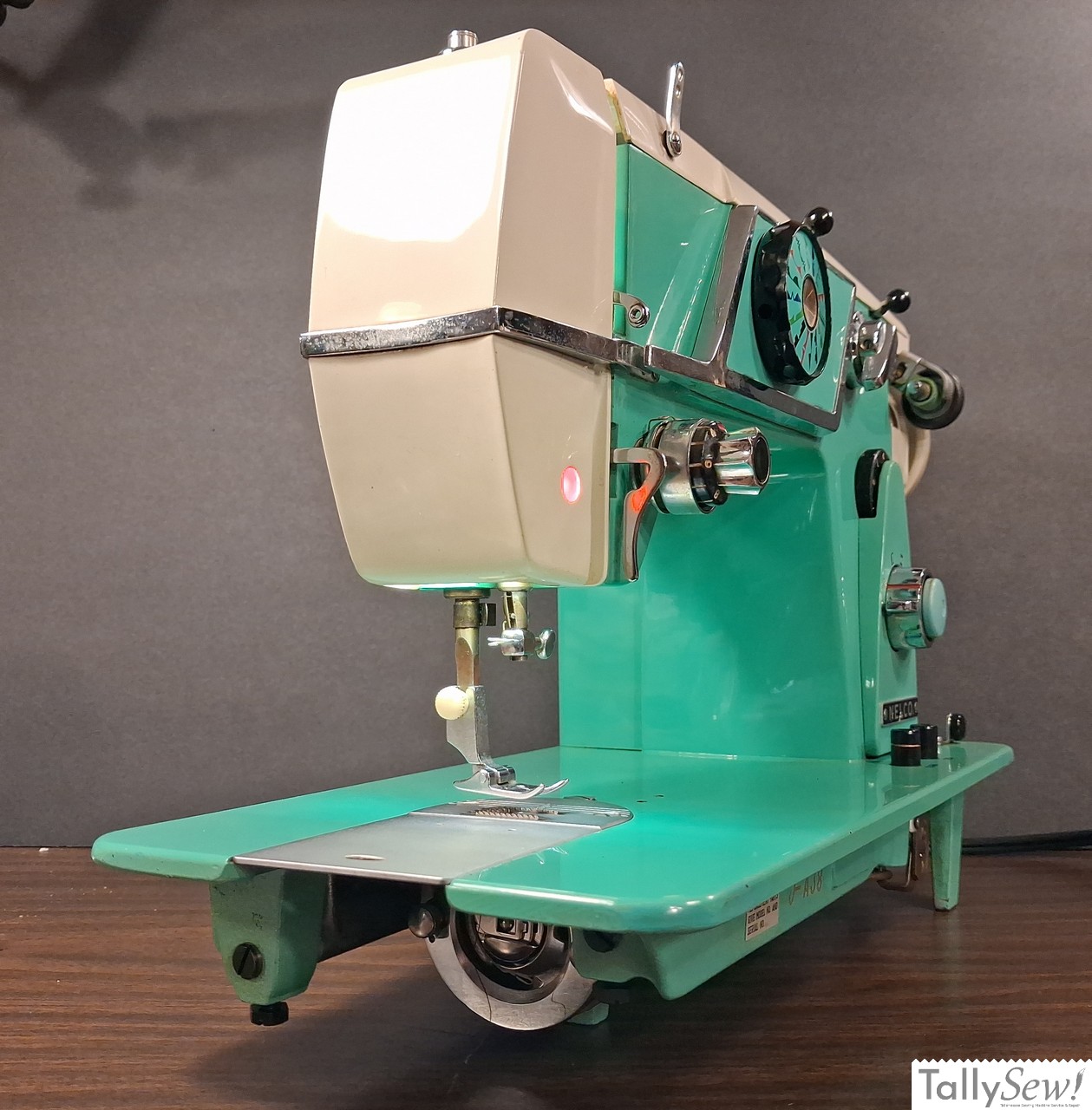
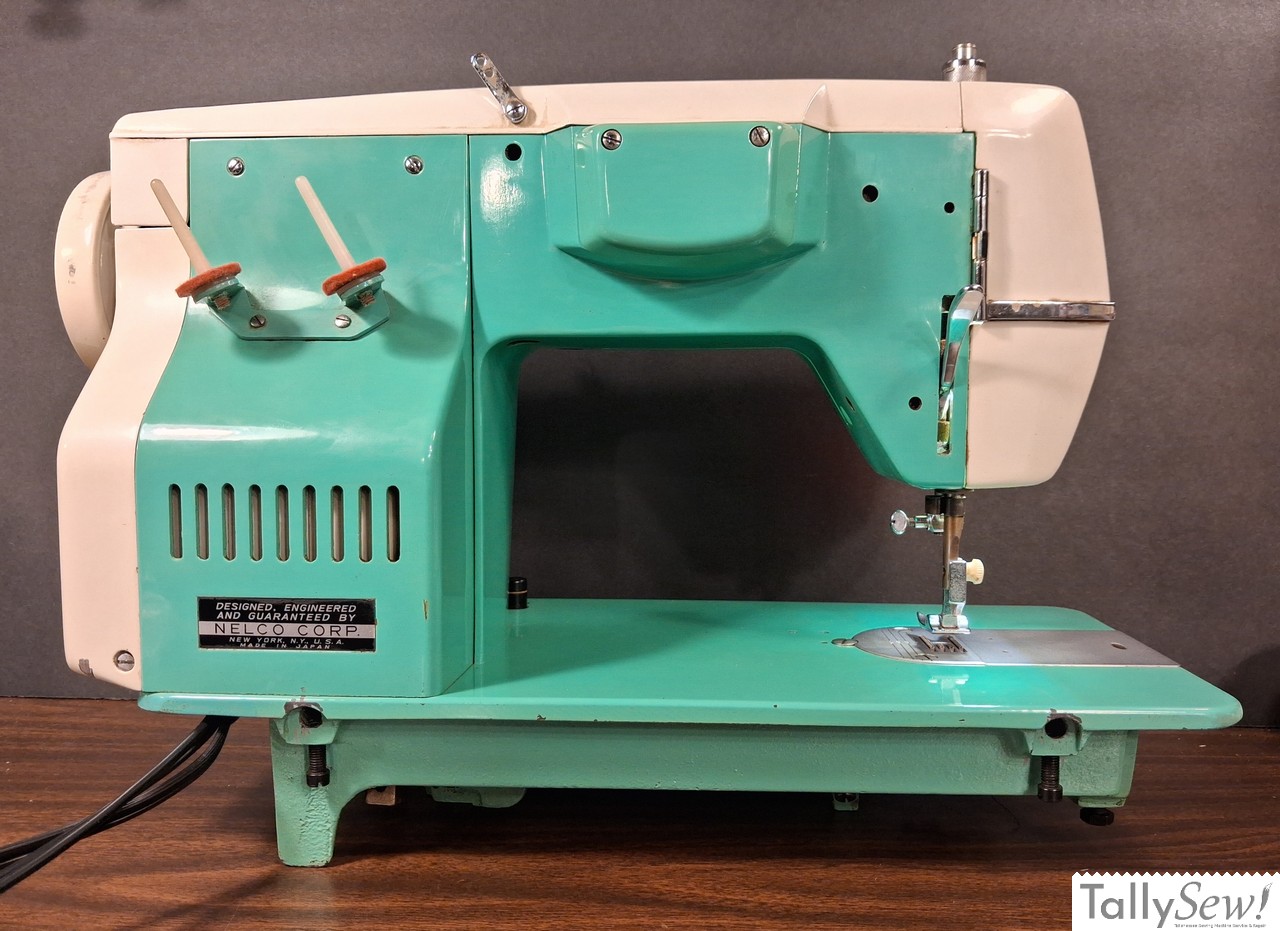
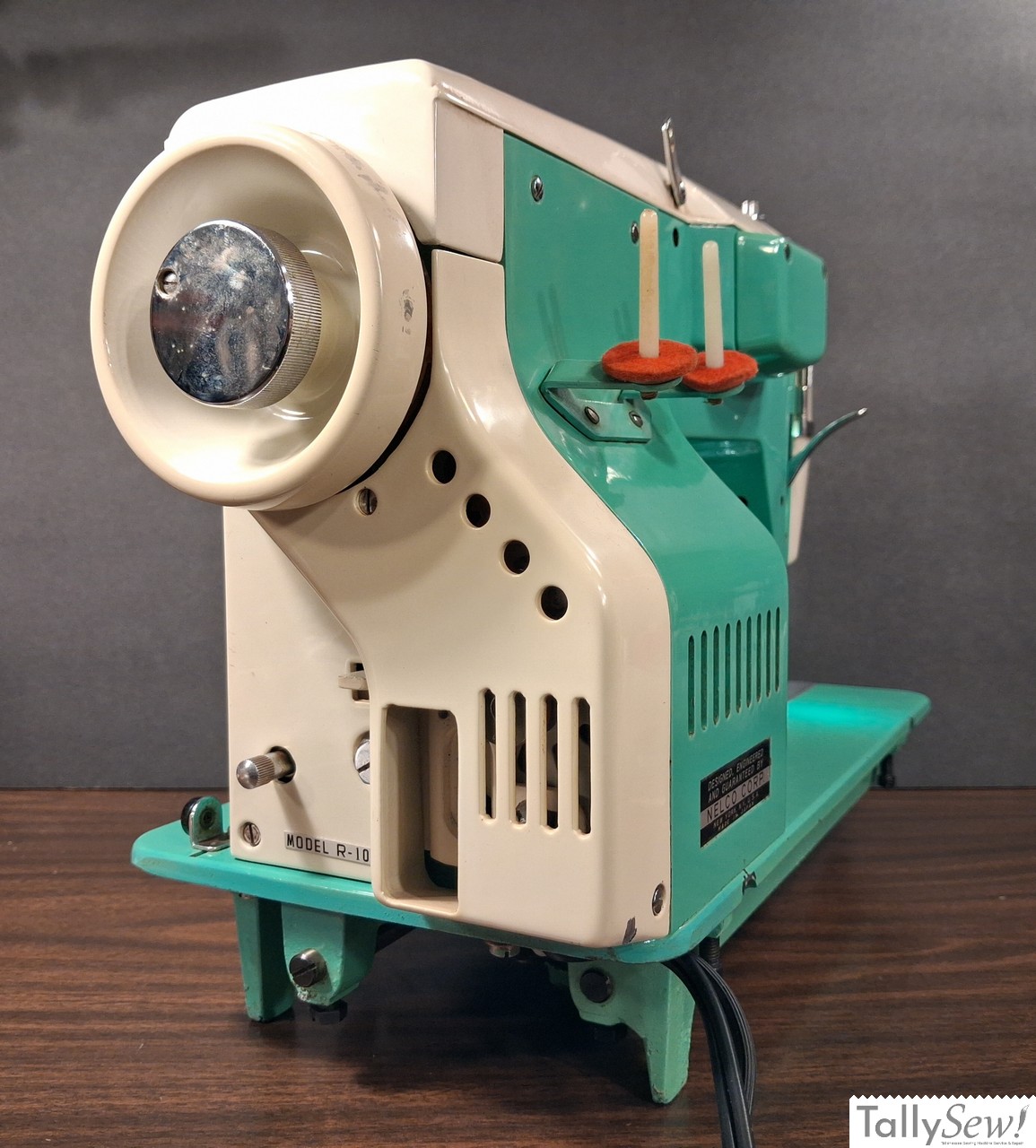
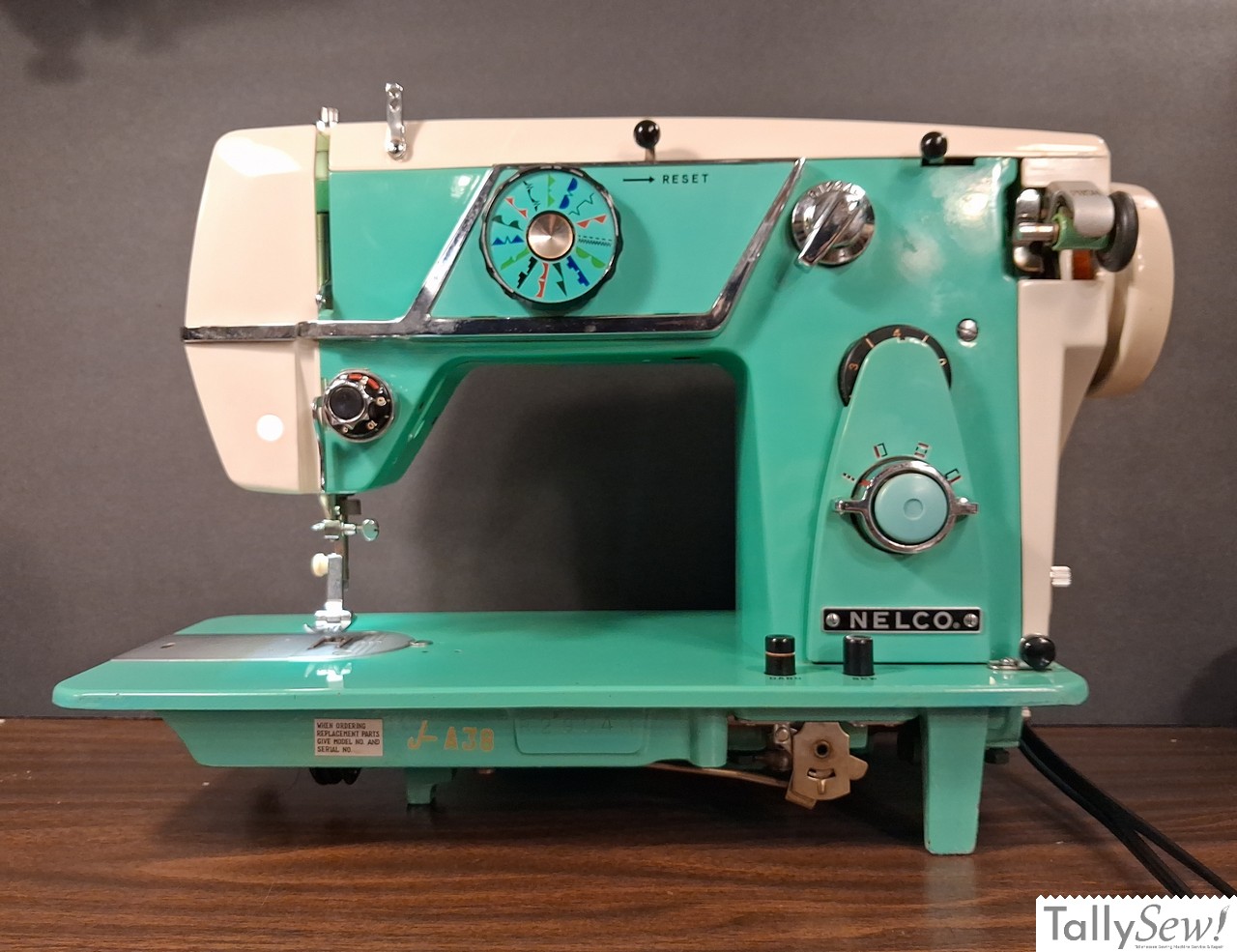
This machine wears a Nelco badge, but based on the style of the machine and the JA38 stamped on the front rib and the JC36 cast into the bed, it was likely manufactured and assembled in the late 1960s in Japan by Sanshin.
Nelco was an American sewing machine importer and distributor, the “Nelco Sewing Machine Sales Corporation” based in New York, rather than a factory manufacturer. Founded in the 1950s by Leon Jolson, Nelco badged Japanese-built mechanical sewing machines and marketed them across North America through the late 1980s.
The Nelco Model R-1000 is a Class 15, zigzag sewing machine featuring 14 decorative stitches plus a built-in buttonholer. It incorporates an all-metal drive train paired with a plastic internal cam stack. The R-1000 utilizes a traveling hook system: because the left-facing hook sits on a vertical plane, the entire hook assembly physically moves left and right in sync with the needle’s side-to-side swing to ensure precise thread pickup across the zigzag arc.
Plastic Cam Stack
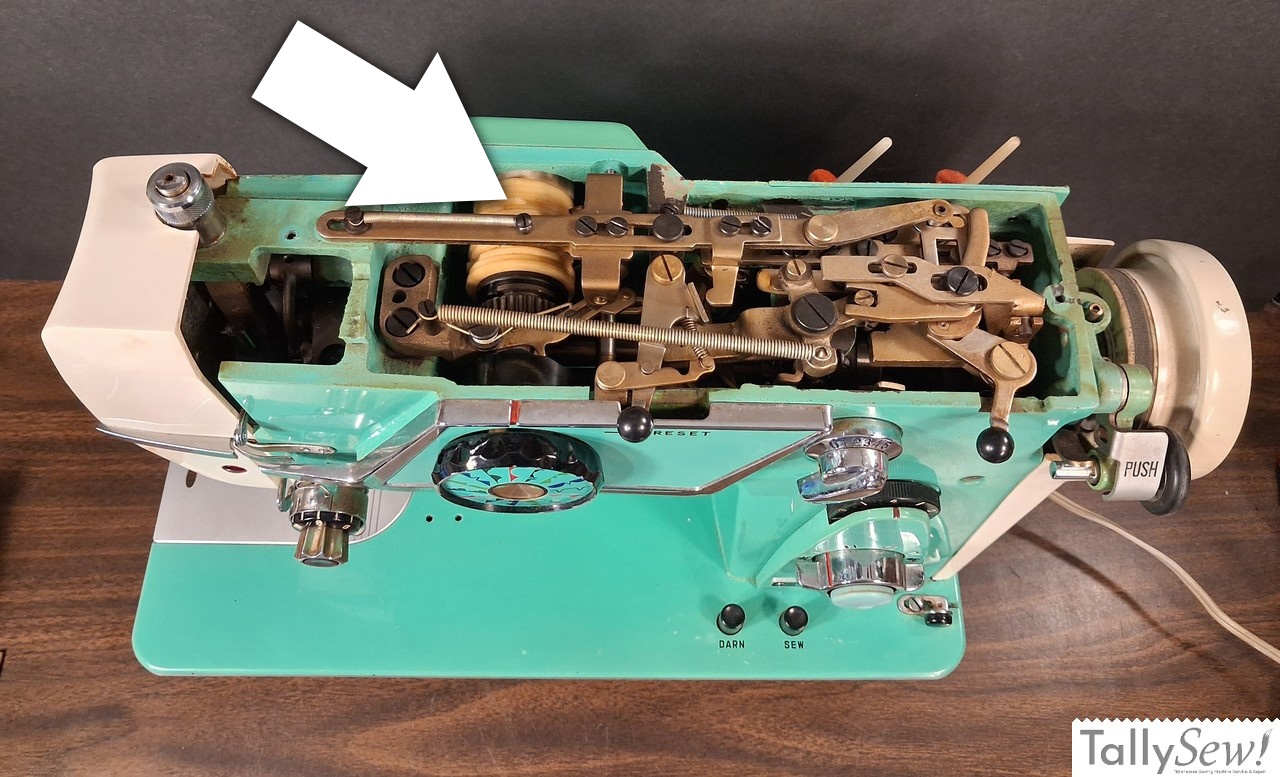
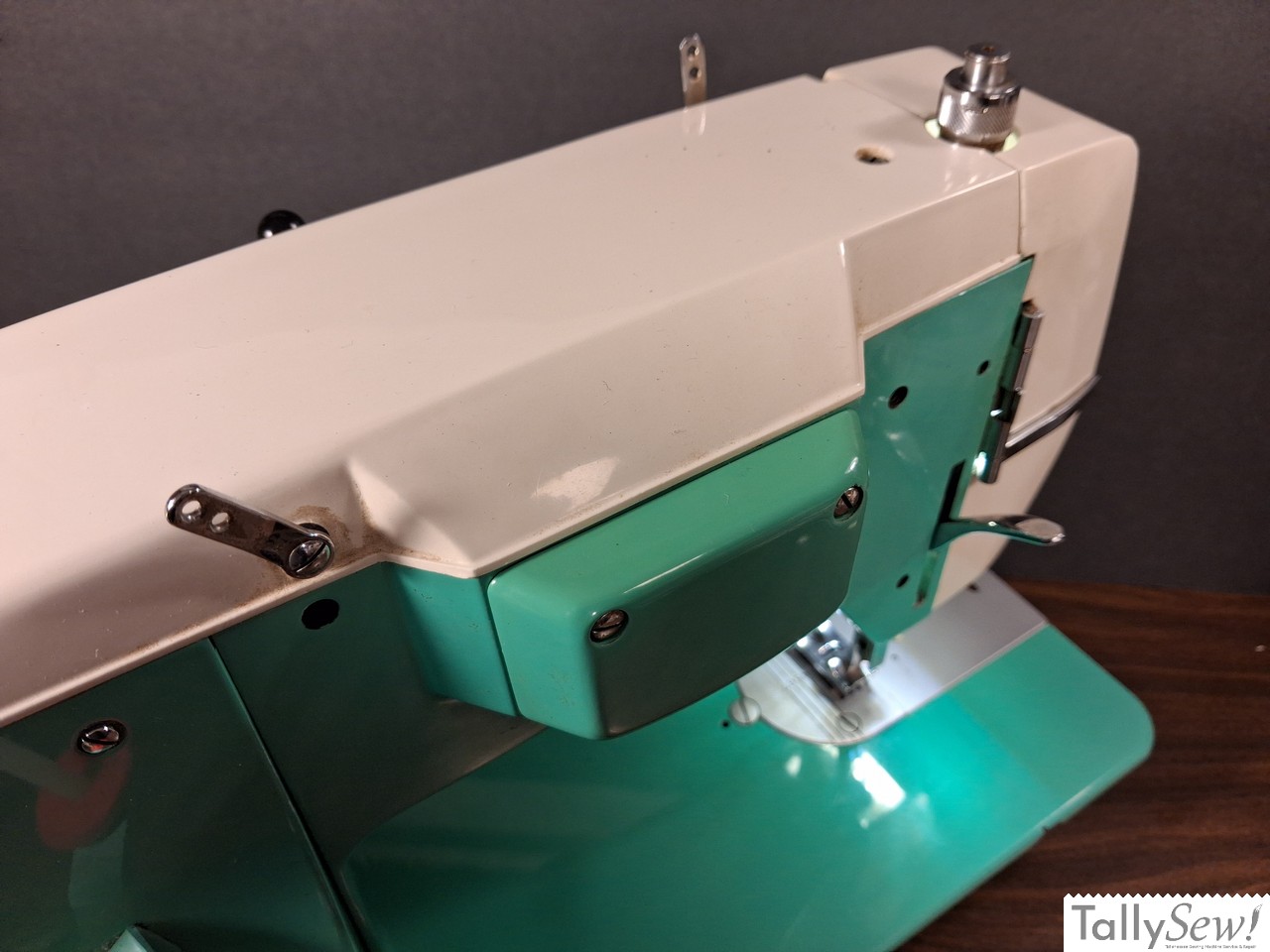
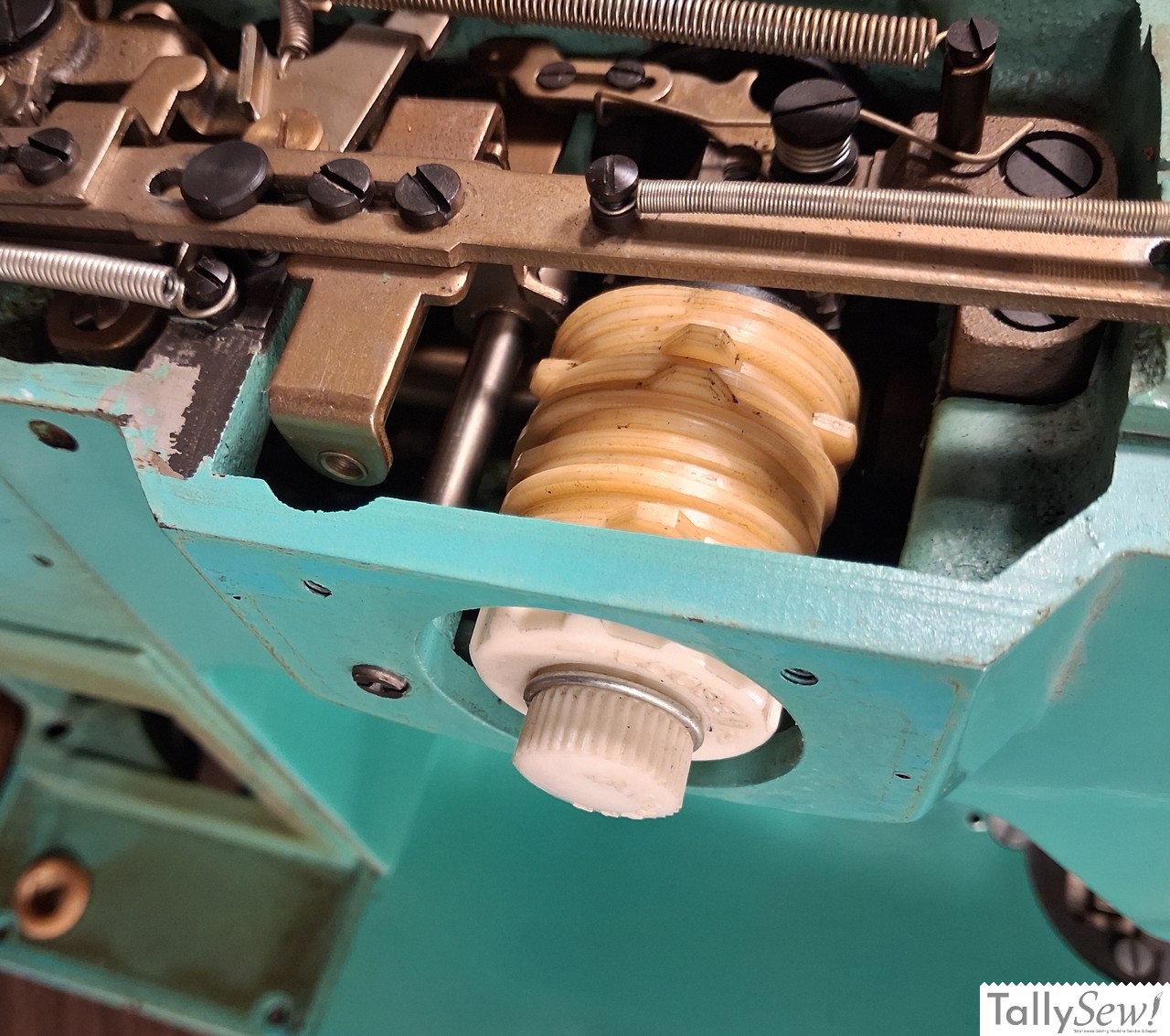
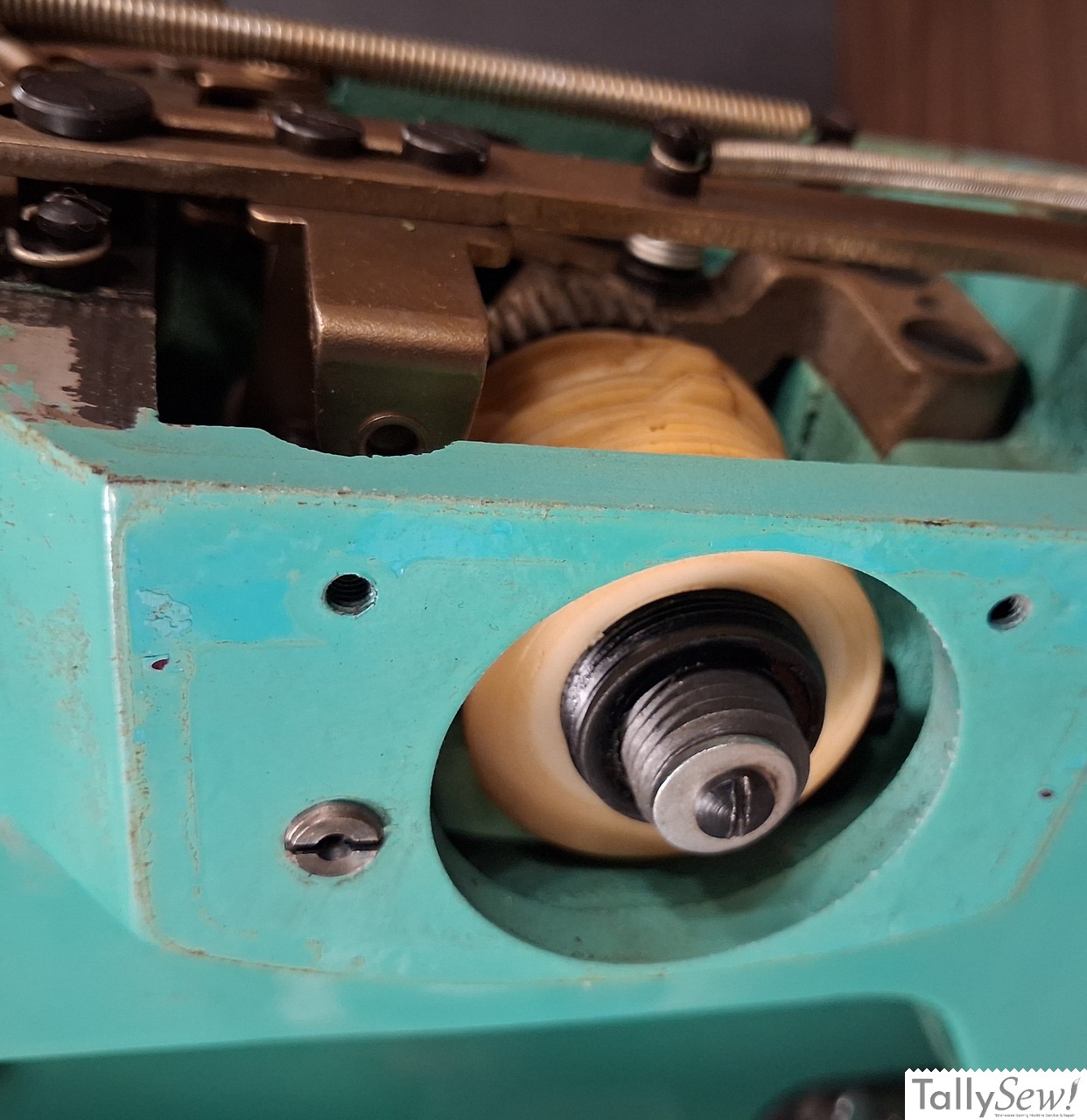
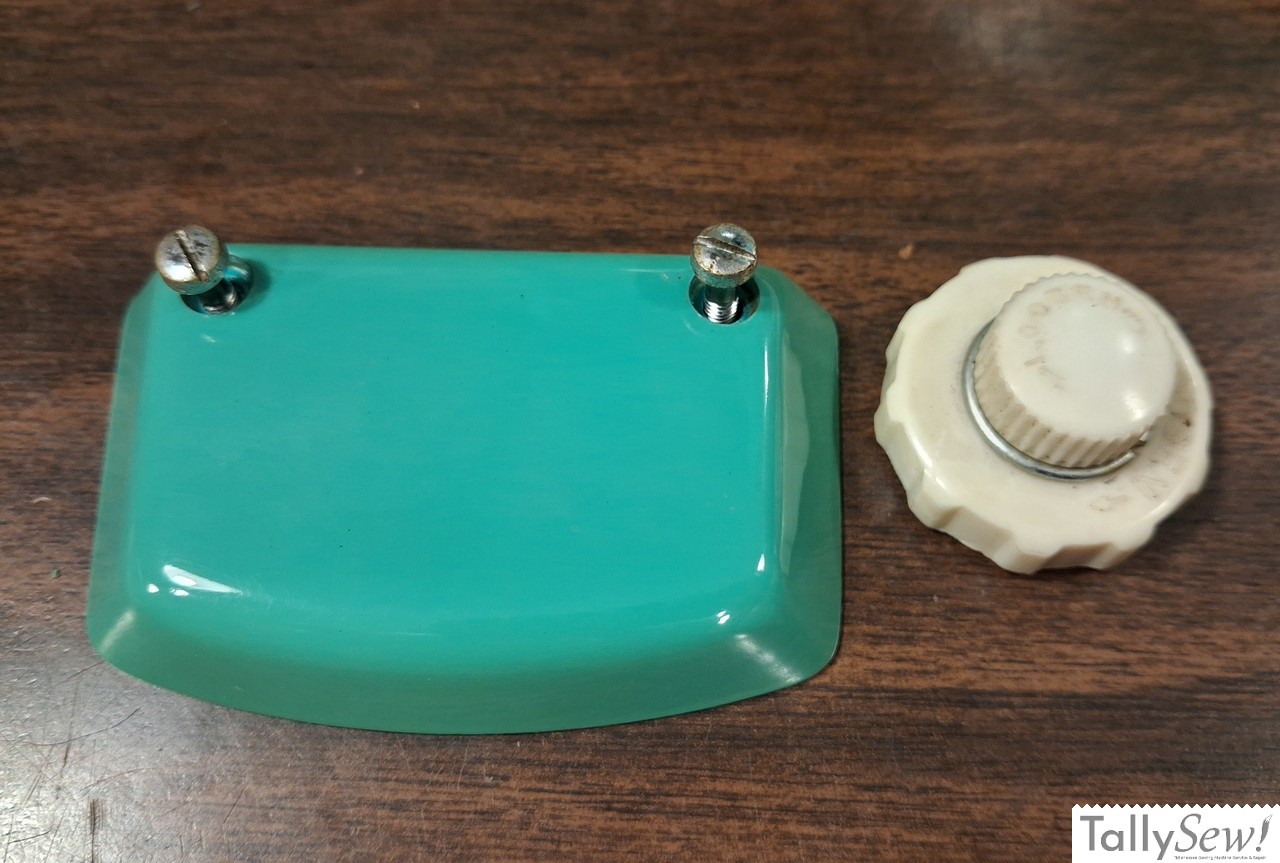
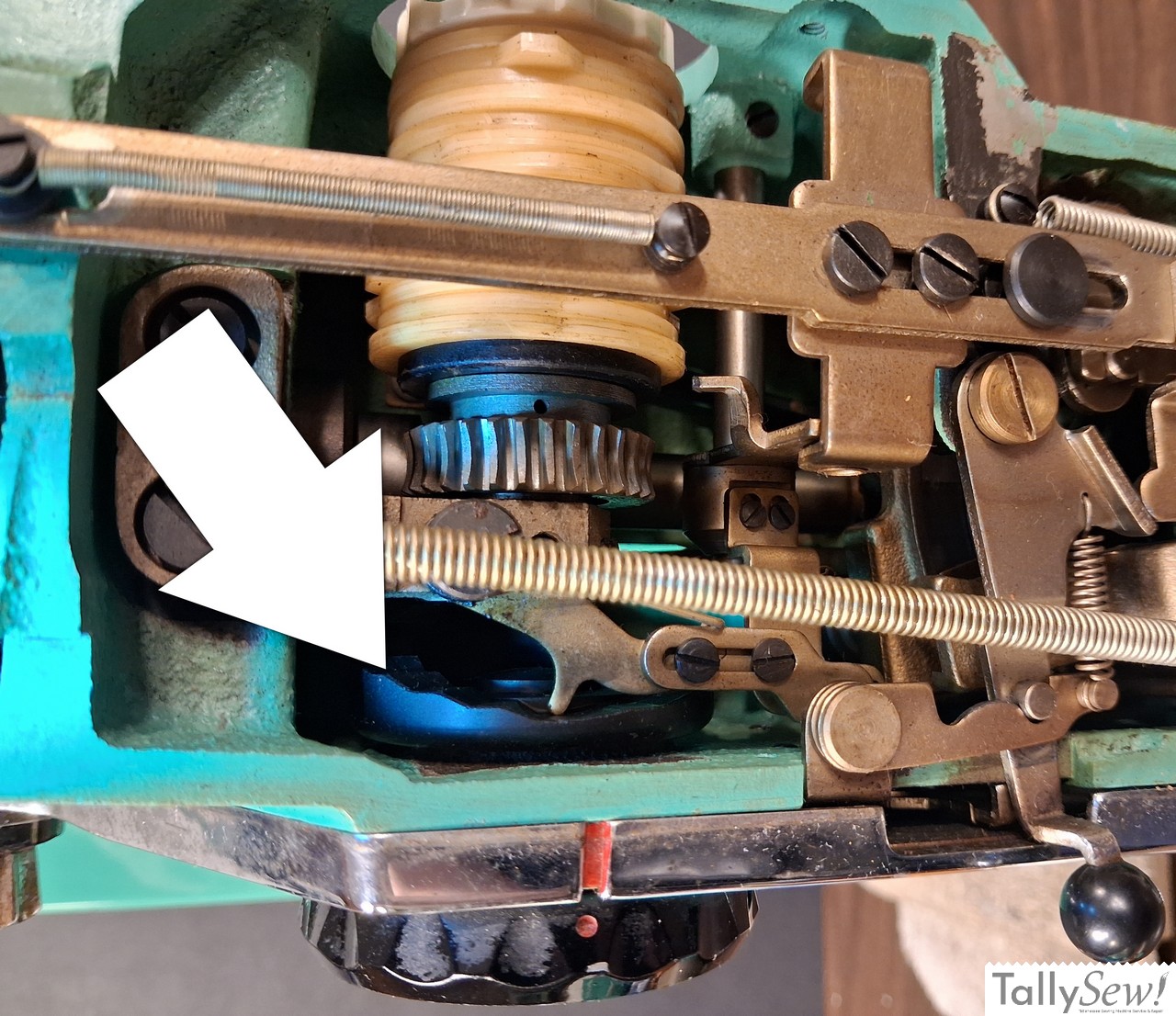
Like many traditional Japanese Class 15 multi-stitch machines, this model features a plastic, likely nylon, cam stack and stitch selector cam (the component that guides the cam follower onto the selected pattern). Notably, it features a removable cam stack, which is an uncommon feature for this era. While it seems designed to accept alternative pattern stacks, I’m not aware of any other sets actually being manufactured. I opted not to force removal to avoid risking damage to the vintage plastic. Fortunately, the cam stack on this machine is in great shape, with no cracks or fissures.
Cleaning the Nelco R-1000
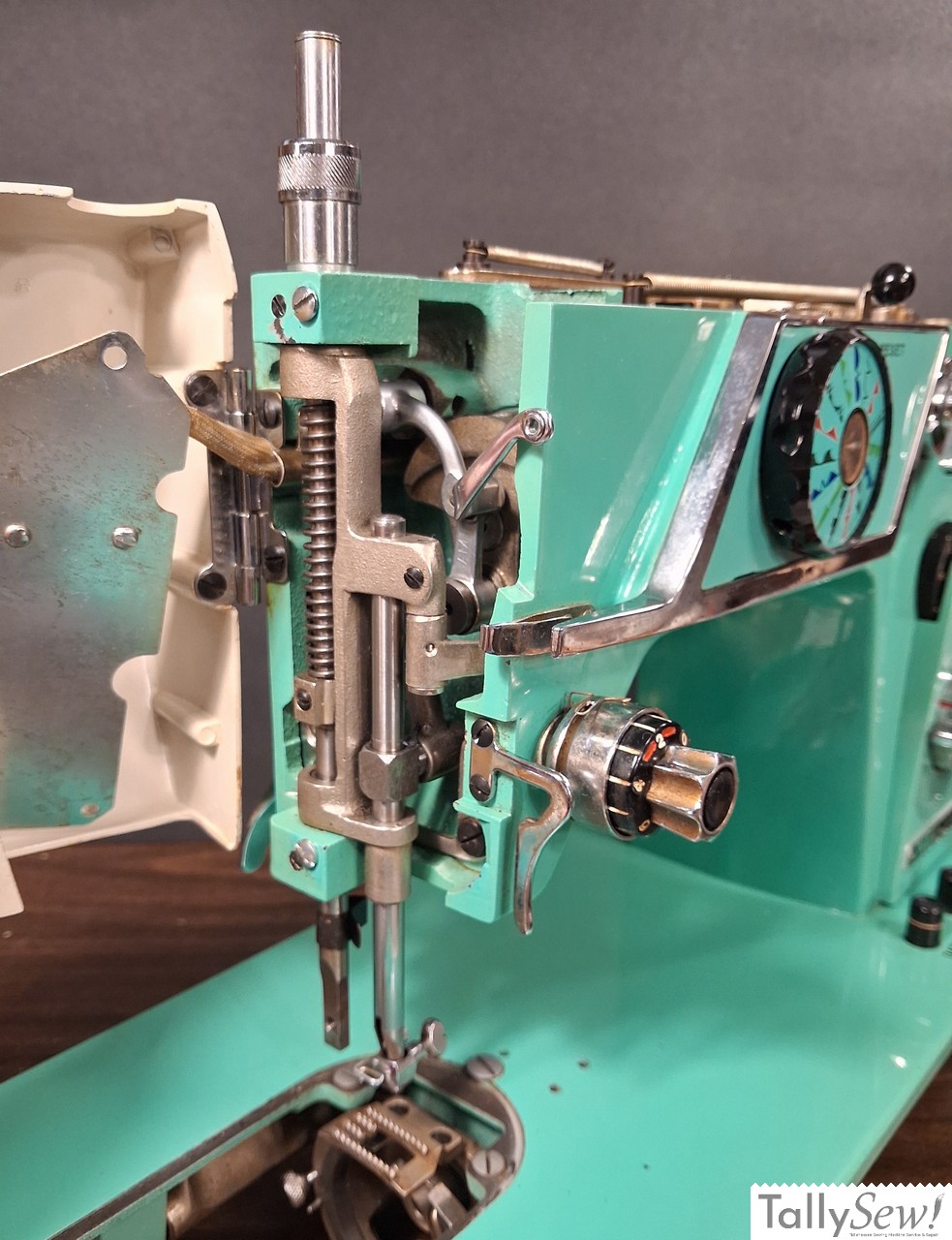
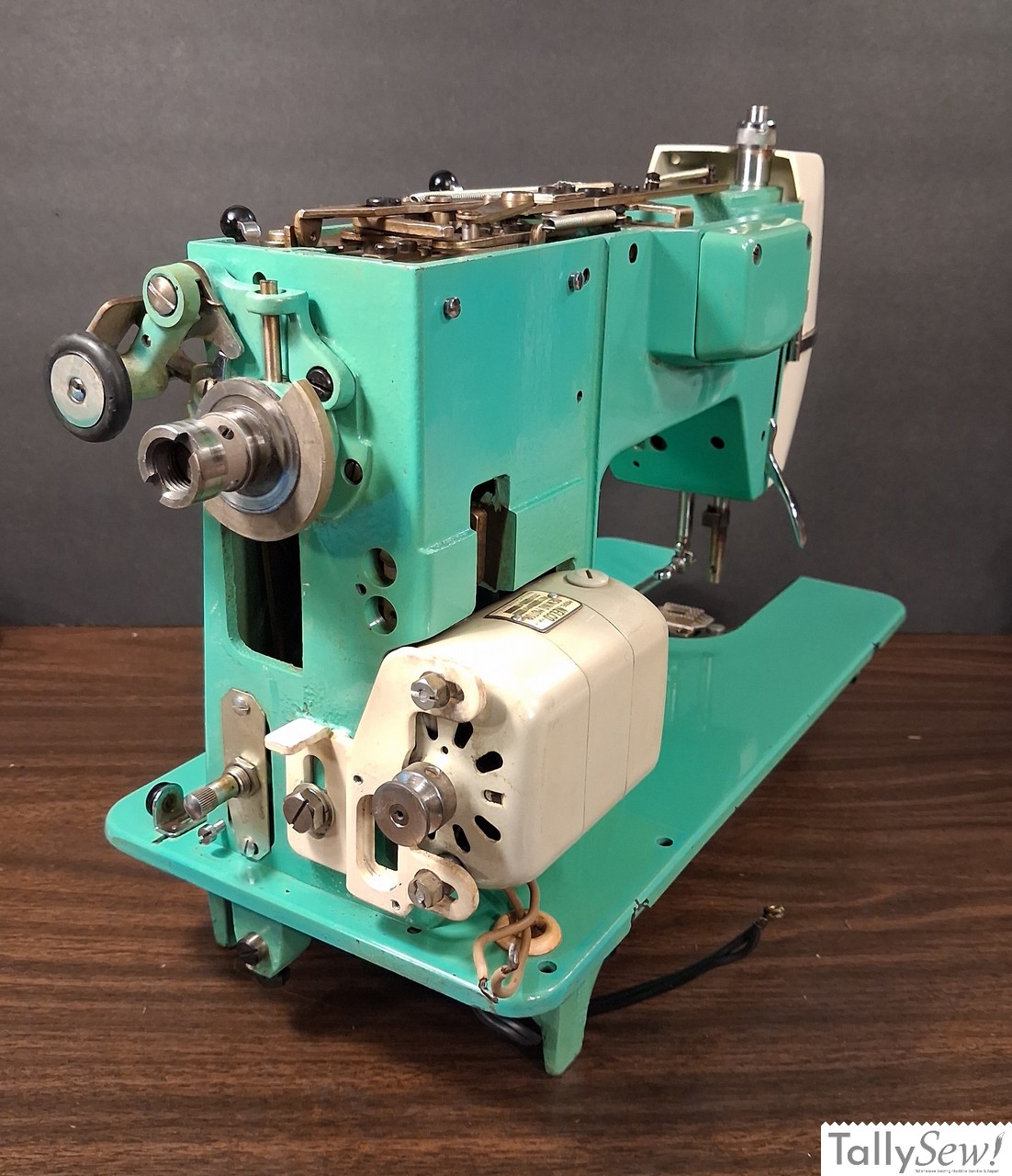
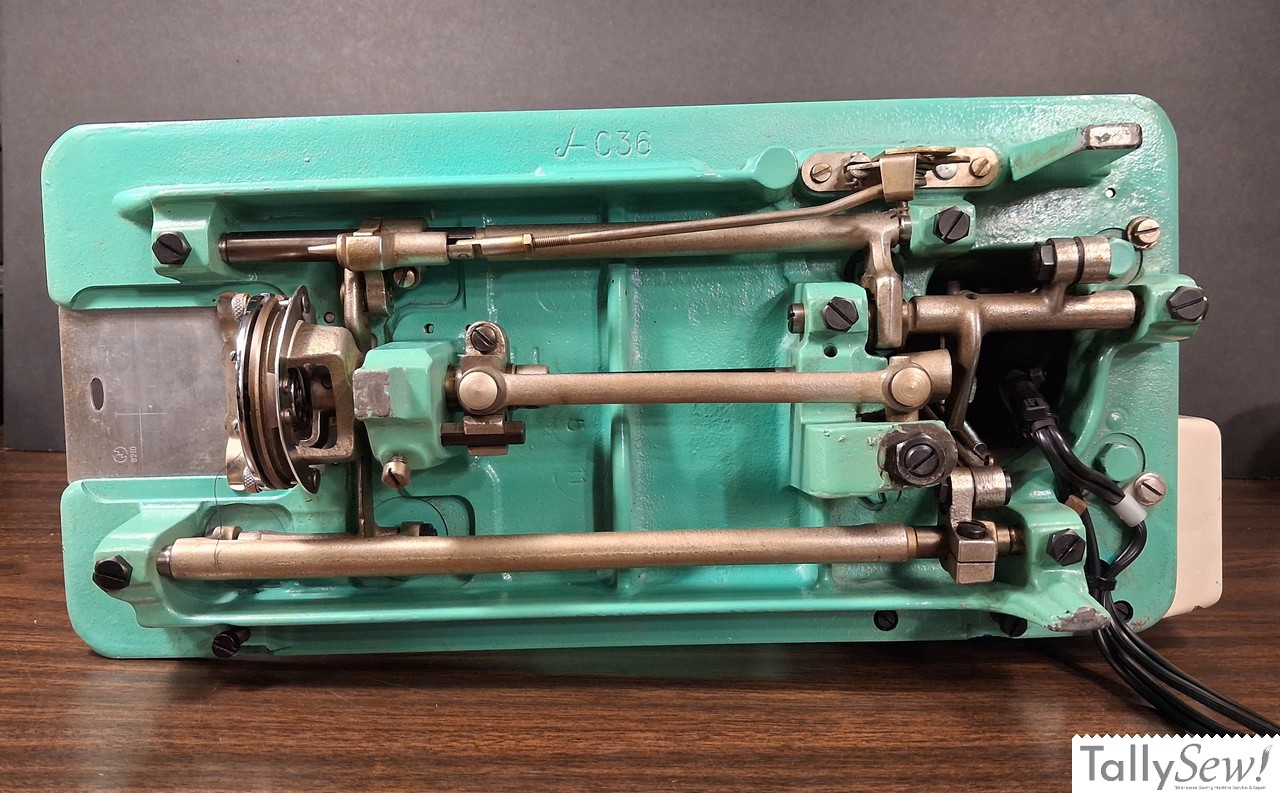
I used a pumice-free hand cleaner (Gojo) to degrease the needle bar area, balance wheel area, motor area, and the underside of the deck. I painted a small amount onto the heavily built-up areas with a brush, let it sit to break down the grime, and wiped it clean with a rag and scrubbed with a toothbrush. I then used the residue on the rag to wipe down the surrounding surfaces. Always exercise caution when using cleaners on vintage sewing machines; what works on one machine may ruin another, even of the same make and model, due to differences in past wear and finish condition. Proceed at your own risk, and always test any cleaner on an inconspicuous spot first.
Electrical work
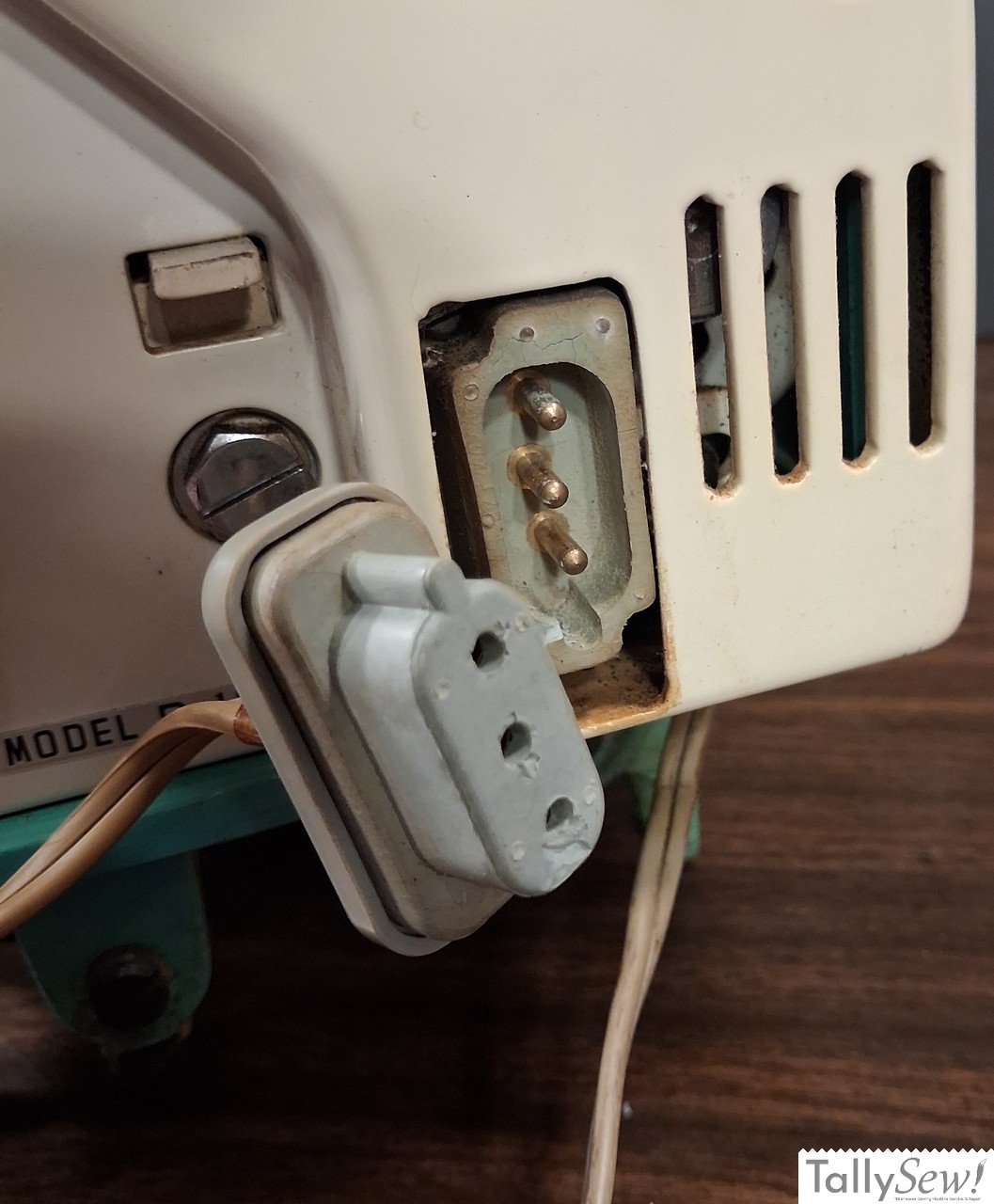
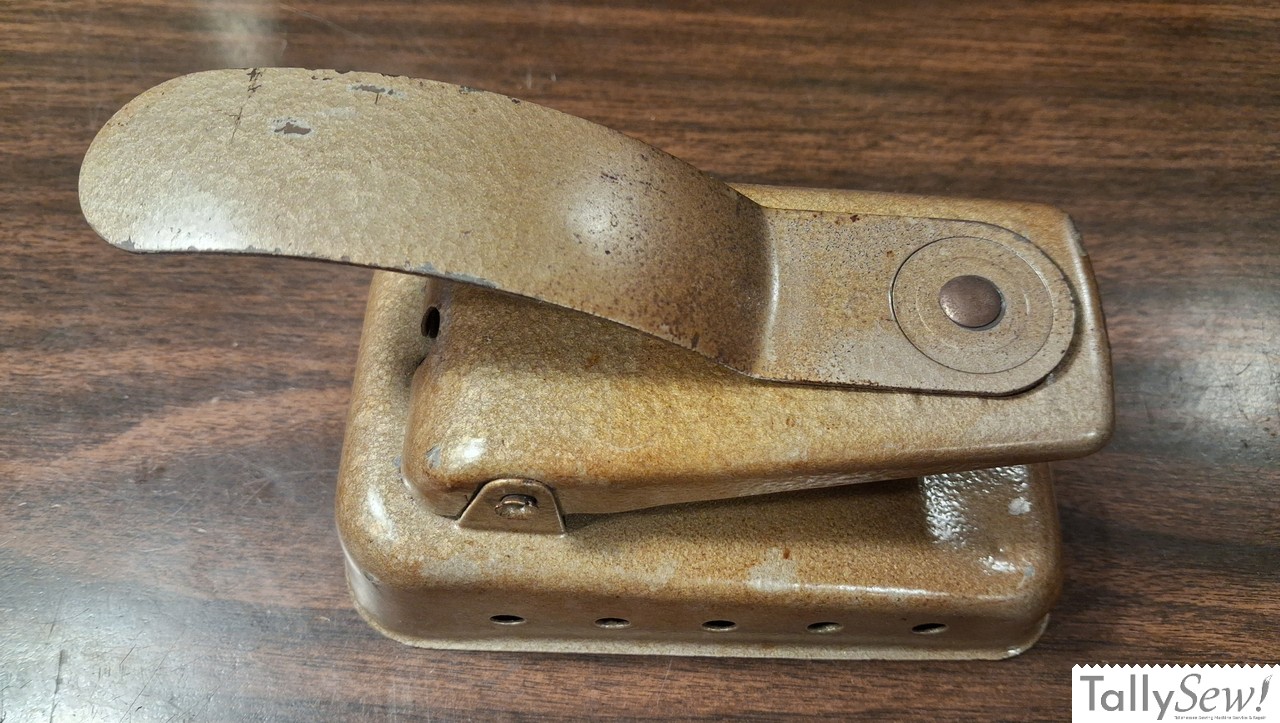
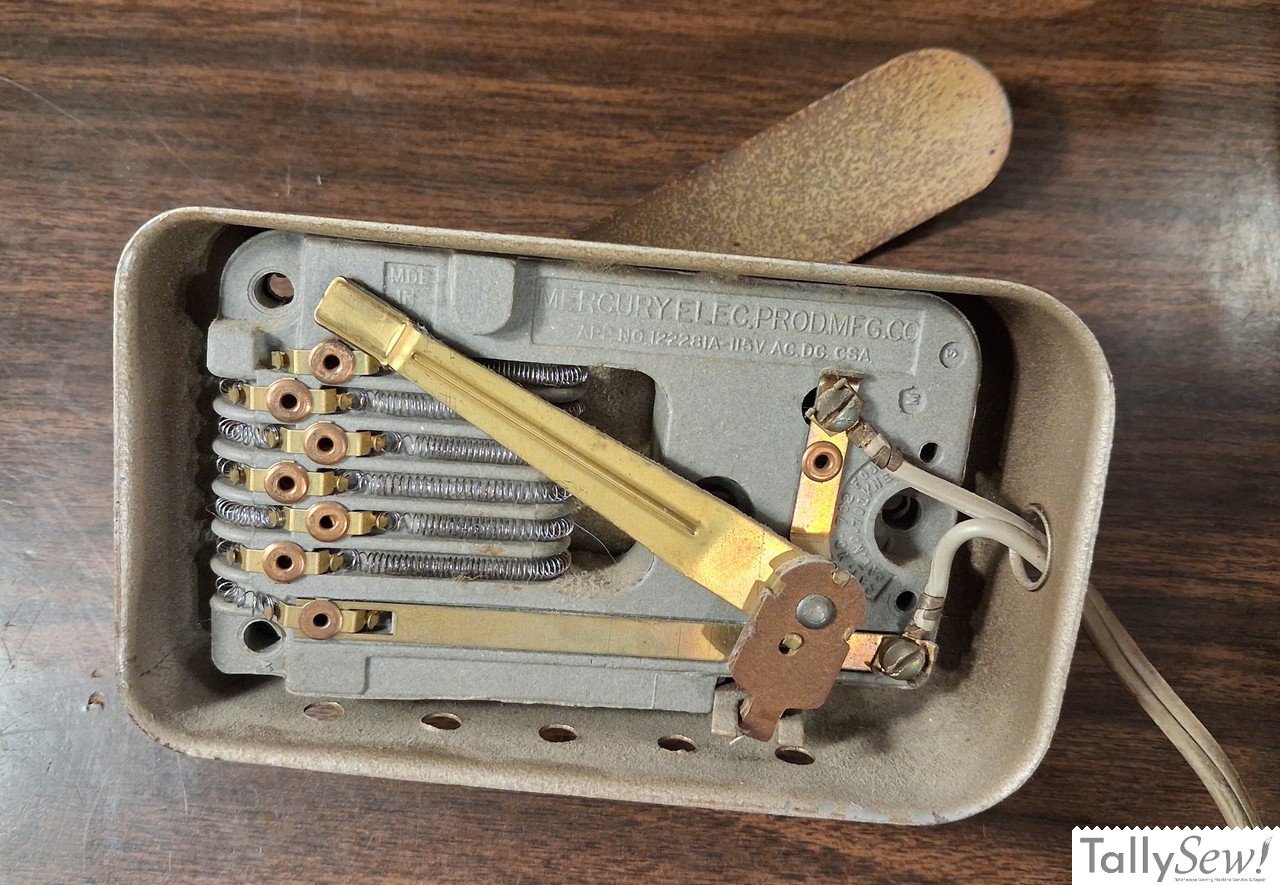
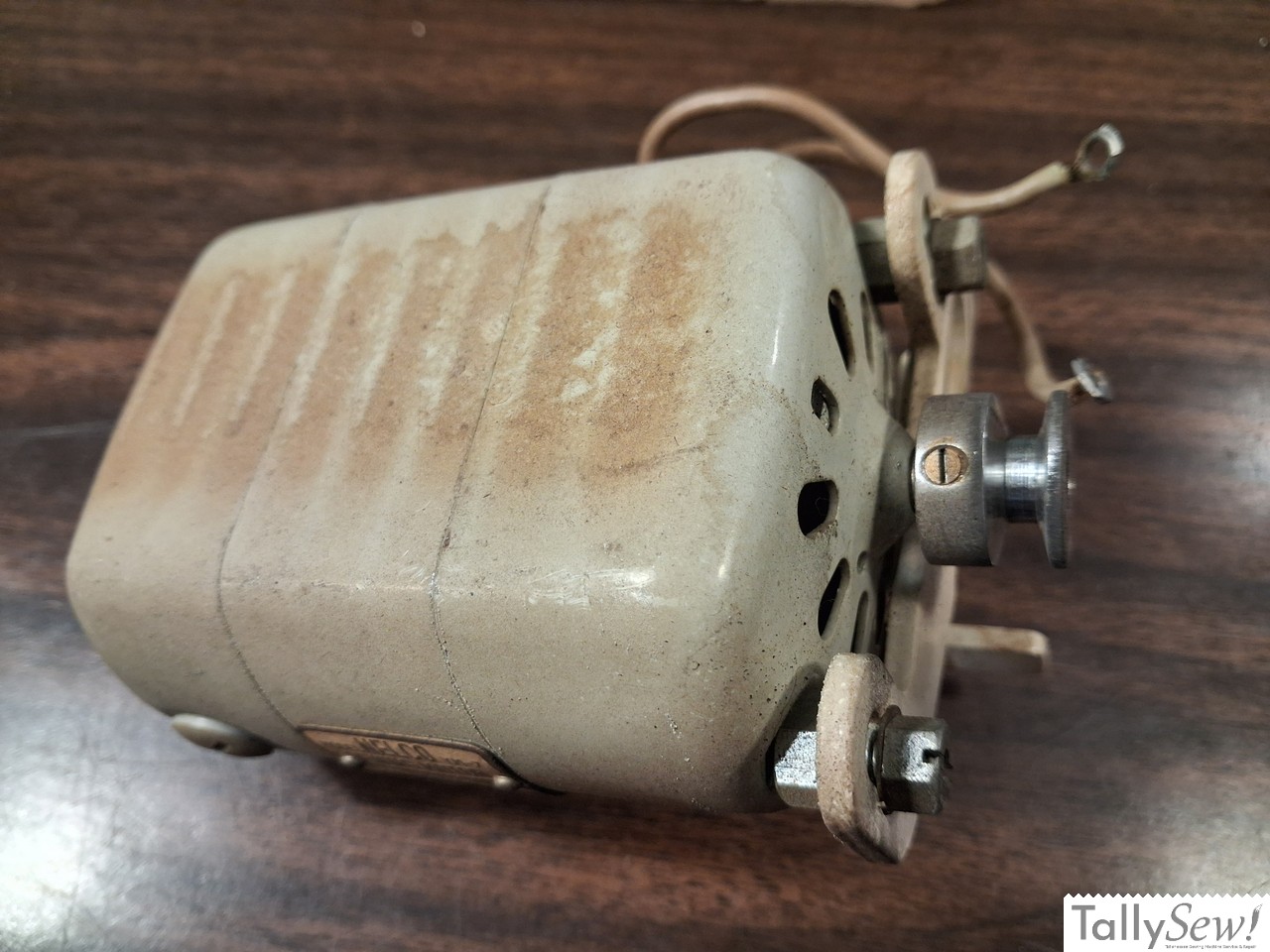
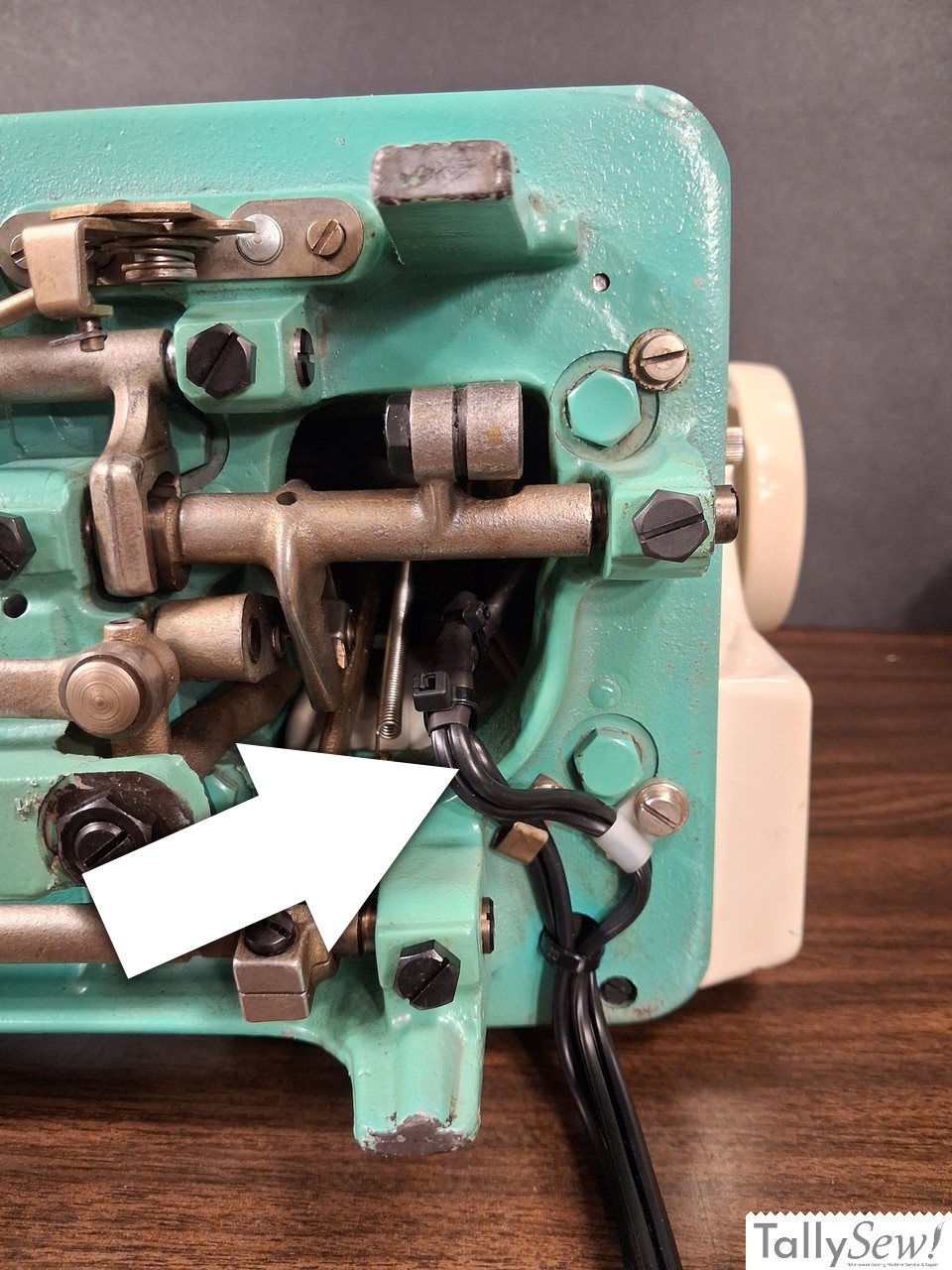
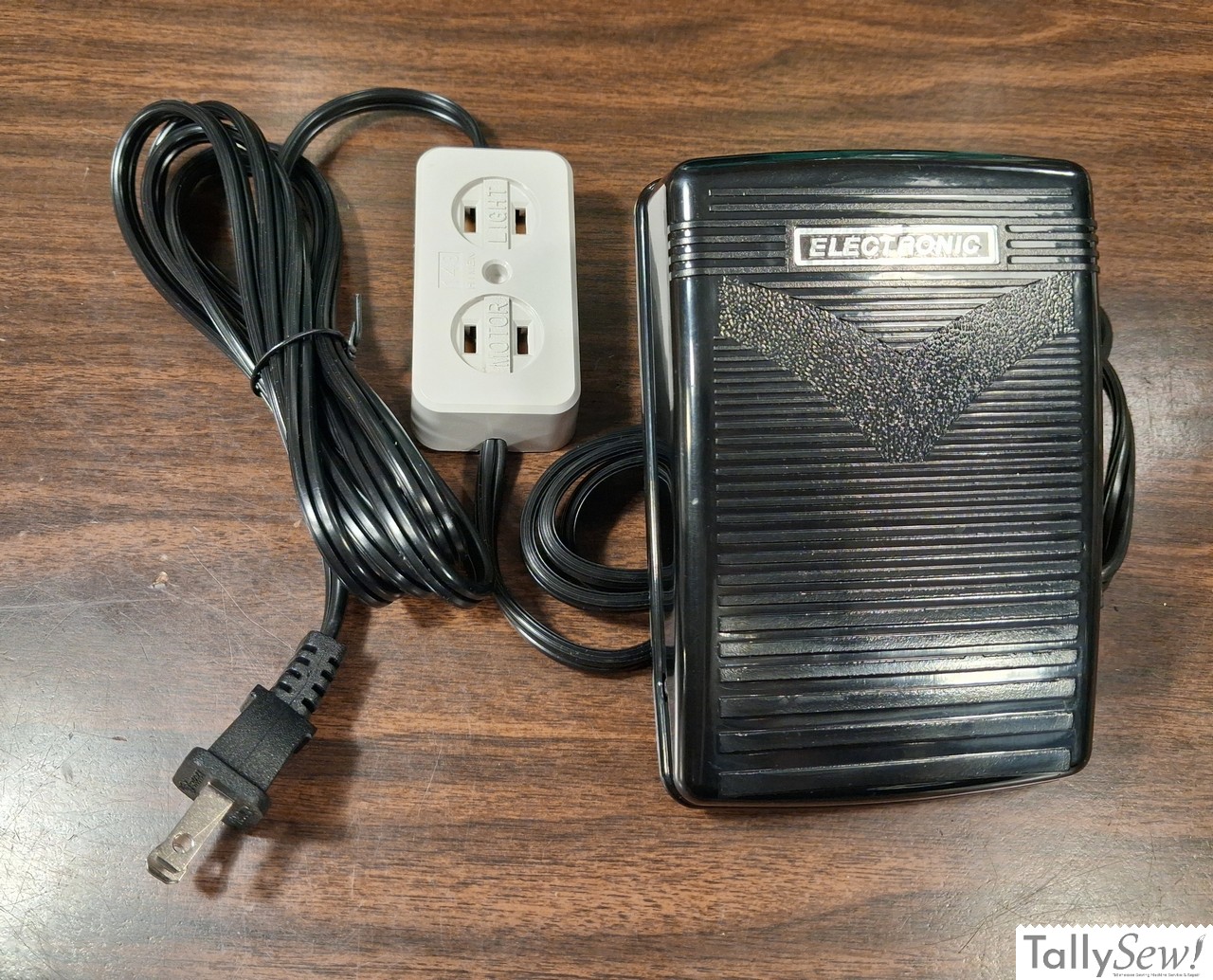
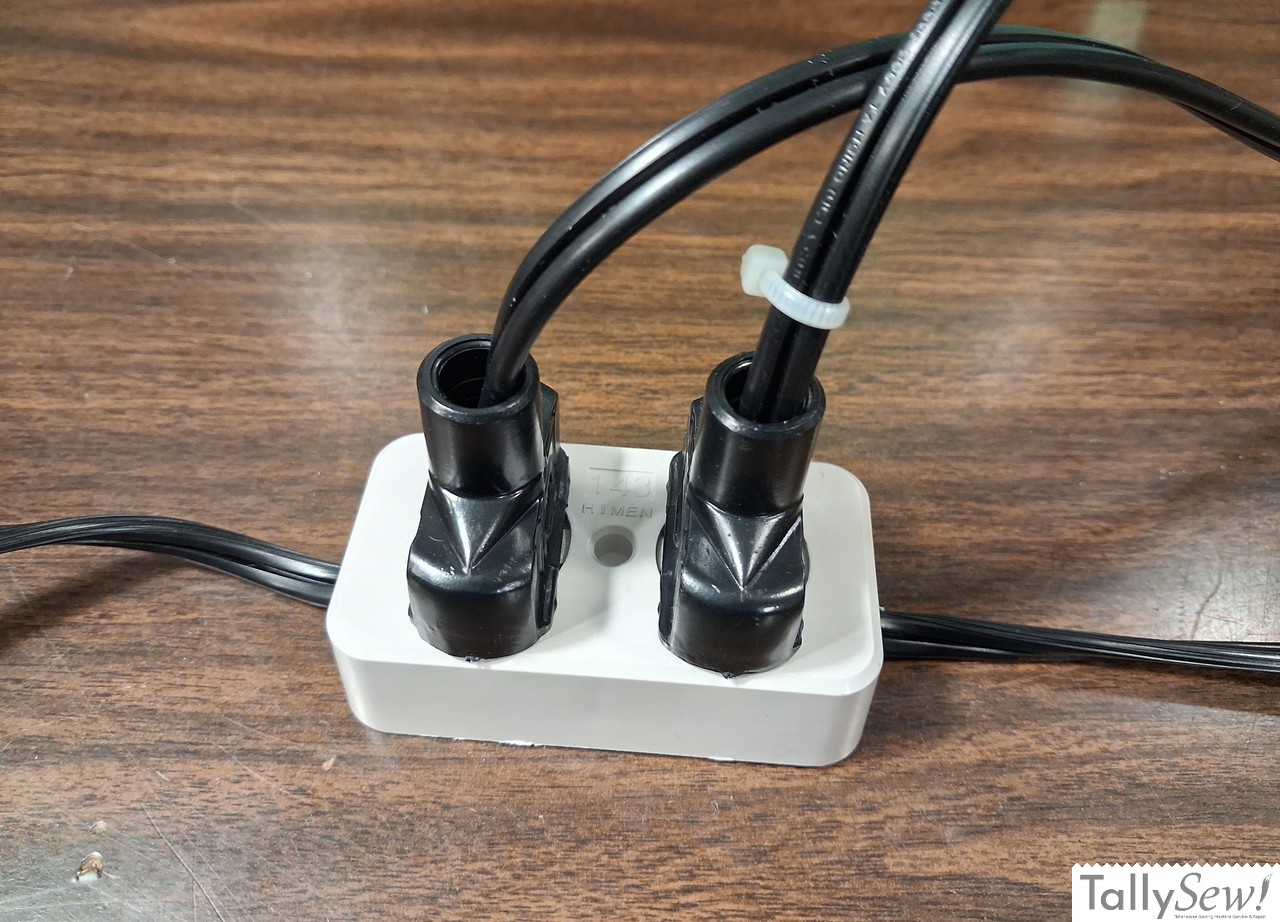
The machine arrived with the motor controller attached to the cabinet using a deck screw. Upon removing it, I found that the bottom cover plate was missing (a fairly common issue). This left a choice between replacing the controller or keeping the original knee bar. The customer left the decision to me, and I’m uncomfortable with exposed resistor elements mounted against a wooden cabinet.
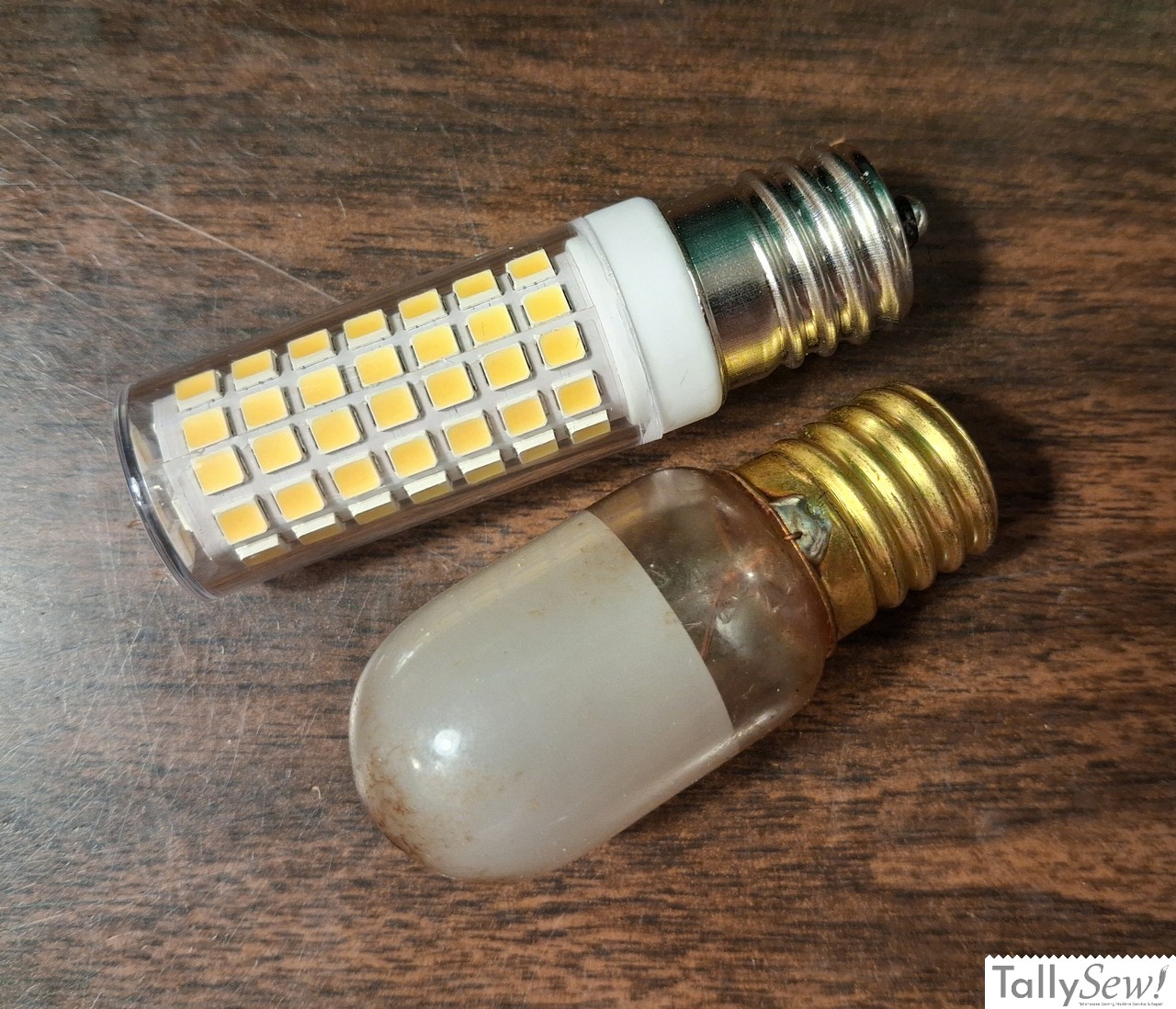
Furthermore, the original plugs connecting to the machine crumbled when unplugged, rendering them unsafe for reuse. I decided to rewire the machine with pigtails and install a new universal power cord with a duplex socket and an electronic controller. To finish up, I replaced the original E17-sized incandescent bulb with an LED to significantly reduce heat and improve lighting.
User Manual
I found a pdf copy of the Nelco R-1000 User Manual in the files section of the Vintage Japanese Sewing Machines Facebook Group. If you’re not a member of the group you’ll need to join before you can access the file.
Specifications
| Badge | Nelco |
| Model | R-1000 |
| Cast and Assembled By | Sanshin |
| Made In | Japan |
| Years Produced | Late 1960s |
| Hook Type | Oscillating, Zig-Zag Traveling Hook System |
| Bobbin | Class 15 |
| Bobbin Case | Class 15 with 1 o’clock retaining finger |
| Needle System | 15×1, 130/707 H, HAx1, 2020 |
| Foot Type | Low Shank |
| Lamp Bulb | E17 – Intermediate Sized Edison Base Screw |
| Motor Belt | 350 mm / ~13.78 in Outside Circumference 6 mm / 0.24 in Top Width 4 mm / 0.16 in Height |
| Construction | Cast Iron Base and Body |
| Construction Drivetrain | All Metal, with plastic cam stack |

