Wheeler & Wilson Manufacturing Company
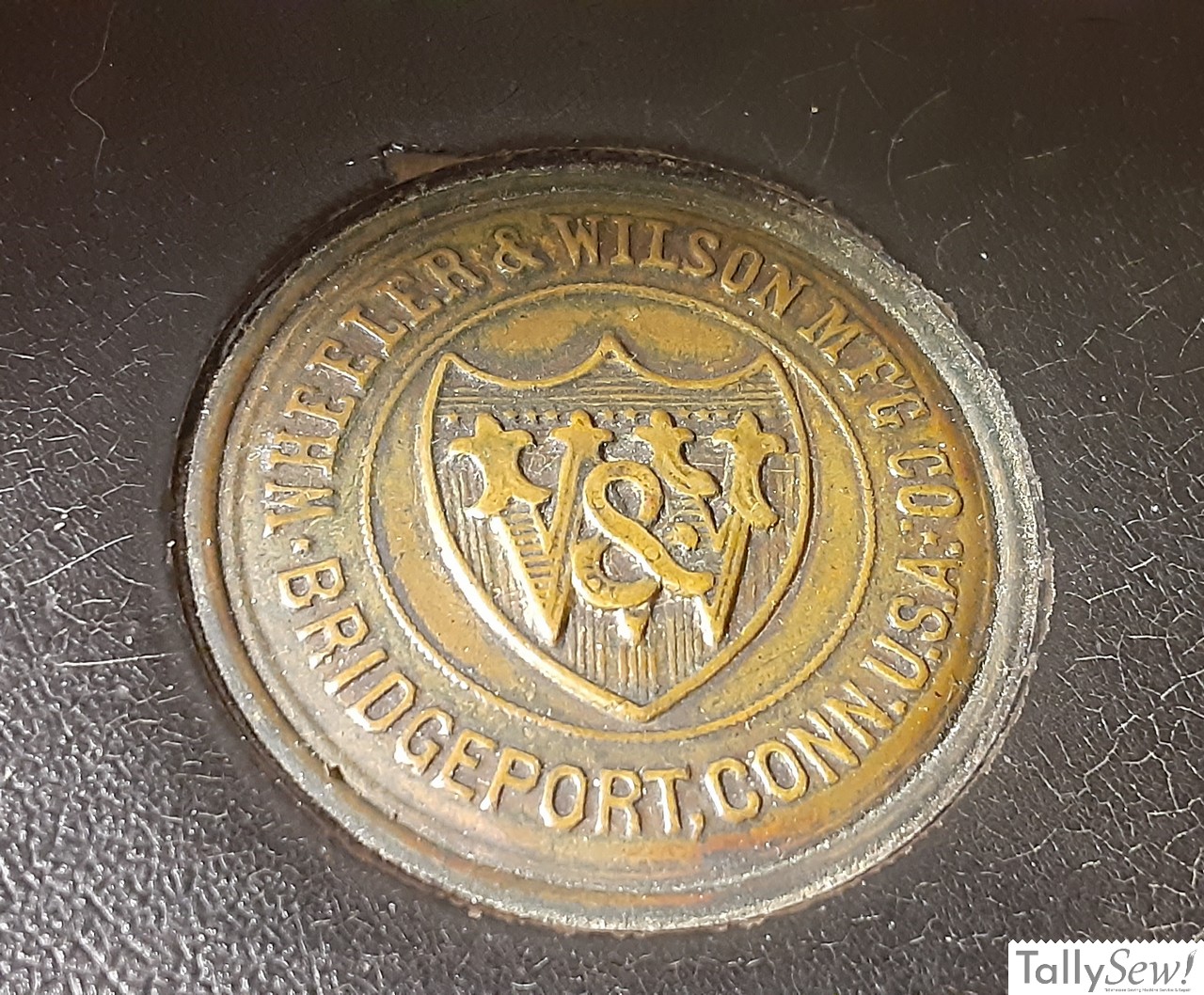
The Wheeler & Wilson Manufacturing Company was one of the most important early American sewing machine makers, active from the mid to late 1800s.
Brief history:
Founded (early 1850s):
The company got its start around 1852–1853 when inventor Allen B. Wilson teamed up with Nathaniel Wheeler to bring Wilson’s sewing machine designs to market.
Key innovations:
Wilson introduced two major features that are still fundamental today:
- the rotating hook
- the four-motion feed mechanism
These improvements made their machines smoother, quieter, and generally more reliable than a lot of what was out there at the time.
Rapid growth (1850s–1870s):
After relocating to Bridgeport, Connecticut, the company grew quickly and, by the late 1850s, had become the leading sewing machine seller in the United States.
By the 1870s, they were one of the largest manufacturers in the world—second only to Singer.
Industry influence:
Wheeler & Wilson was part of the 1856 Sewing Machine Combination, a patent-sharing agreement that helped bring some order to what had been a pretty chaotic and lawsuit-heavy industry.
Decline and acquisition:
Toward the end of the 1800s, competition—especially from Singer—started to chip away at their dominance.
In 1905, the company was acquired by Singer, and the Wheeler & Wilson name was gradually retired.
In short:
Wheeler & Wilson played a major role in shaping modern sewing machine design. They were hugely successful in their time, and even though the name didn’t survive, their engineering absolutely did.